
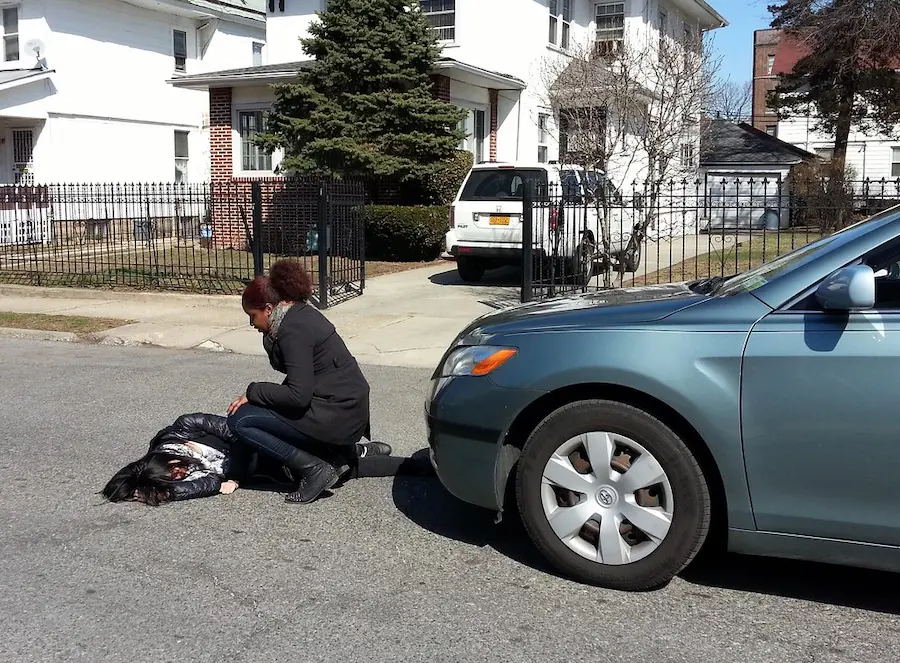
Pedestrian-related crashes remain a serious public safety issue. According to the Federal Highway Administration, pedestrian and bicyclist fatalities comprise about 20% of all traffic fatalities, with approximately 7,000 pedestrian deaths and 1,000 bicyclist deaths each year.
Pedestrian accidents can lead to devastating injuries, complex legal disputes, and significant financial burdens. When a pedestrian is struck by a vehicle, one of the most pressing questions is, who is responsible for paying medical bills, lost wages, and other damages?
Liability may fall on the driver, a third party, or even involve insurance coverage such as personal injury protection (PIP) or uninsured motorist policies. Understanding how compensation works is crucial for victims seeking to recover financially after an accident.
According to pedestrian accident lawyer Lawrence Falzon, experienced lawyers can assist you in recovering medical expenses and work-related income through no-fault insurance. The lawyers operate on a no-win, no-fee structure. The payment system requires you to compensate them with the funds you obtained through your personal injury settlement.
Do you want to know the process of handling payments after a pedestrian accident? Let’s explore this situation together.
Table of Contents
Understanding Liability in Pedestrian Accidents
Determining who pays for damages begins with examining liability elements that arise when pedestrians are present. The party who acted with negligence by failing to exercise proper caution will face judgment as the responsible party. The driver who distracted himself while driving through a red traffic signal will bear responsibility for his actions.
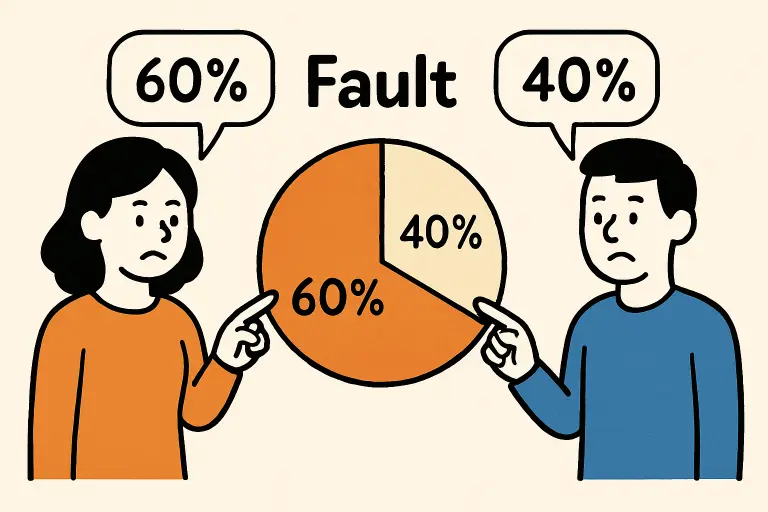
Your action also matters. Did you cross in front of traffic against the signal? That also has the potential to become a factor that decides who holds responsibility. Different states have different rules concerning comparative or contributory negligence when sharing damages.
The process requires witness testimonies and photographs as essential evidence. The additional information will help to prove liability while making the case stronger. All this information will enable you to obtain compensation after the accident.
Insurance Coverage and Its Role
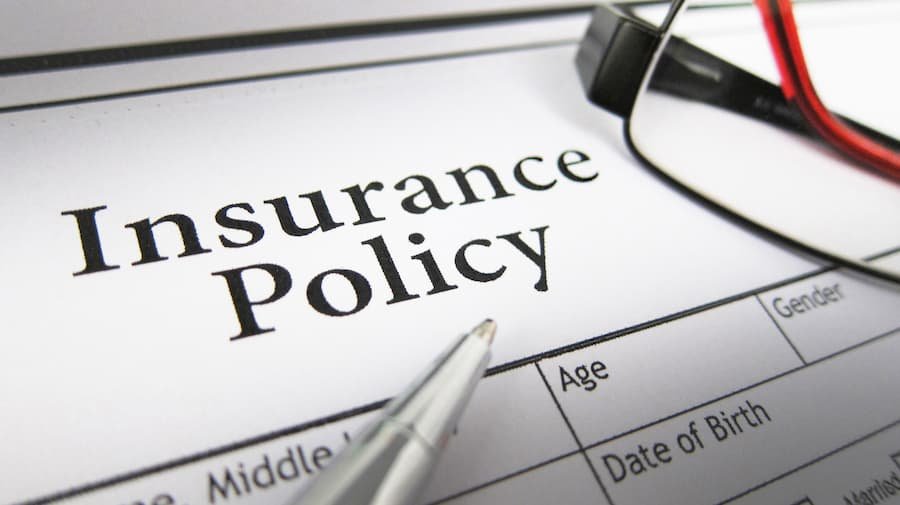
Understanding how insurance coverage is actually applied will help you determine damage payments. Your car insurance will become necessary when you need to cover the patient’s hospital expenses and lost income and property damage.
You need to access your insurance and personal injury protection (PIP) and uninsured motorist coverage when the other driver lacks sufficient insurance coverage.
Your health insurance might also pay for your medical care. Learning the specific terms and insurance details will provide you with essential assistance.
Comprehensive insurance coverage for all potential accident scenarios will simplify your process of handling subsequent events.
Factors That Affect Financial Responsibility
The accountability of financial parties involved in pedestrian accidents becomes difficult to determine because multiple factors exist.
The circumstances surrounding the accident matter. The driver who exceeds speed limits or shows signs of distraction needs to take on the majority of driver fault.
State laws create the main framework that defines who holds liability. Other states practice the doctrine of comparative negligence. The principle of comparative negligence allows all parties involved in an incident to distribute the blame accordingly.
If you walk in front of traffic without crossing at designated areas, the court will judge your pedestrian behavior against you. This particular situation will decrease the driver’s liability.
The insurance policy maximum limits determine the total amount that the insurer will pay.
Steps to Take After a Pedestrian Accident
After sustaining injuries from a pedestrian accident, you must first take care of your life and your legal rights.
Your self-assessment process must start first because it helps you identify your existing injuries. You need to check other people to find out whether they have major injuries that require emergency medical treatment. Please move to a secure area which protects you from traffic if you are able to stand or walk. You must call 911 to report the accident and request medical assistance.
You should collect the driver’s name and address and phone number and insurance details because this information will be beneficial. The scene needs to be photographed while you take pictures of yourself and your injuries and the property damages. The witness investigation process requires you to collect their contact details so you can reach them when necessary.
The accident responsibility should not be accepted by you when you interview witnesses who observed the incident. You must keep all documents related to the incident while securing all essential evidence, which includes treatment records and bills, in a safe area. The documents will serve as important evidence which you can use if you choose to take your case forward.
Seeking Legal Assistance and Compensation
Your understanding of potential outcomes will become clearer when you select which legal area to study after your accident.
The personal injury lawyer will help you handle all the complex parts of your legal case. The lawyer will look at your situation, collect evidence, and try to figure out who is responsible for your damage. You need to file a lawsuit because it is the only way to receive compensation for your medical expenses, lost income and emotional distress.
You should feel free to ask any question during your lawyer meeting because it will help you grasp all information. A competent lawyer will fight for you with the insurance company and take you to court if necessary.

























































































































































































































































































































































































































































































































































































































































































































































































































0