

Table of Contents
Key Takeaways
- Prioritize safety, check for injuries, and call 911 when emergency assistance is needed.
- Follow law enforcement instructions and move vehicles only when it is safe.
- Exchange driver, vehicle, insurance, and witness information without arguing about fault.
- Photograph vehicle damage, road conditions, traffic signals, and other relevant evidence.
- Seek prompt medical care, watch for delayed symptoms, and follow recommended treatment.
- Notify your insurance company promptly and review settlement documents carefully before signing.
- Preserve accident reports, medical records, receipts, photographs, and other relevant documentation.
- For hit-and-run, rideshare, or company vehicle accidents, follow additional reporting procedures and preserve all available evidence.
A personal injury accident can turn an ordinary drive through Georgia into a stressful, confusing moment. Whether the crash happens on an Atlanta interstate, a suburban intersection, or a rural two-lane road, the first decisions you make can affect safety, medical care, and the information available later. When several vehicles are involved, or responsibility is disputed, speaking with a multi-vehicle accident lawyer Georgia residents can turn to may help clarify the next steps after urgent needs are addressed.
Start by focusing on people, not property damage. Stay calm, avoid roadside arguments, and take one task at a time. This general checklist is intended to help Georgia drivers and passengers respond in an organized way after a collision, pedestrian accident, rideshare crash, or another event that causes injury.
Table Of Contents
- Stay Safe and Check for Injuries
- Call 911 and Report the Accident
- Move Vehicles Only When It Is Safe
- Exchange and Gather Information
- Document the Scene
- Seek Medical Care Promptly
- Notify Your Insurance Company Carefully
- Avoid Common Mistakes
- Handle Special Situations
Stay Safe and Check for Injuries
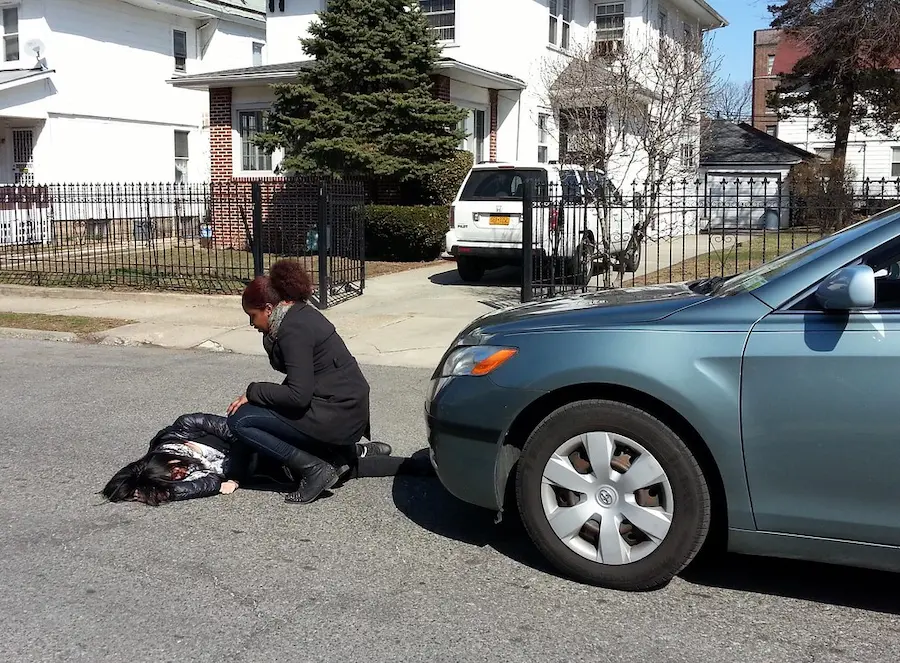
Take a breath and check yourself, passengers, and others involved. Call for emergency help immediately if anyone has serious bleeding, difficulty breathing, loss of consciousness, severe pain, confusion, or cannot safely move. Do not assume someone is uninjured simply because they say they feel fine in the first minutes after impact.
If you can do so without creating more danger, turn on hazard lights and remain aware of traffic. Do not move a person with a possible neck, back, or head injury unless fire, traffic, or another immediate hazard makes staying put unsafe. The Georgia Department of Driver Services explains that drivers should provide reasonable assistance, warn approaching traffic when safe, and exchange identifying information after a crash in its guidance for drivers involved in crashes.
Call 911 and Report the Accident
Tell the dispatcher where you are, how many vehicles or people are involved, whether lanes are blocked, and whether anyone appears injured. Give landmarks, mile markers, cross streets, or nearby businesses if you do not know the exact address. Follow the dispatcher’s instructions and wait for responders unless remaining at the location is unsafe.
An officer’s report can preserve basic details such as the date, location, involved parties, visible damage, and witness information. Ask the responding officer how to obtain the report and write down the report or case number if one is available. Reporting requirements can vary depending on the circumstances, so follow directions from law enforcement rather than relying solely on a general checklist.
Move Vehicles Only When It Is Safe
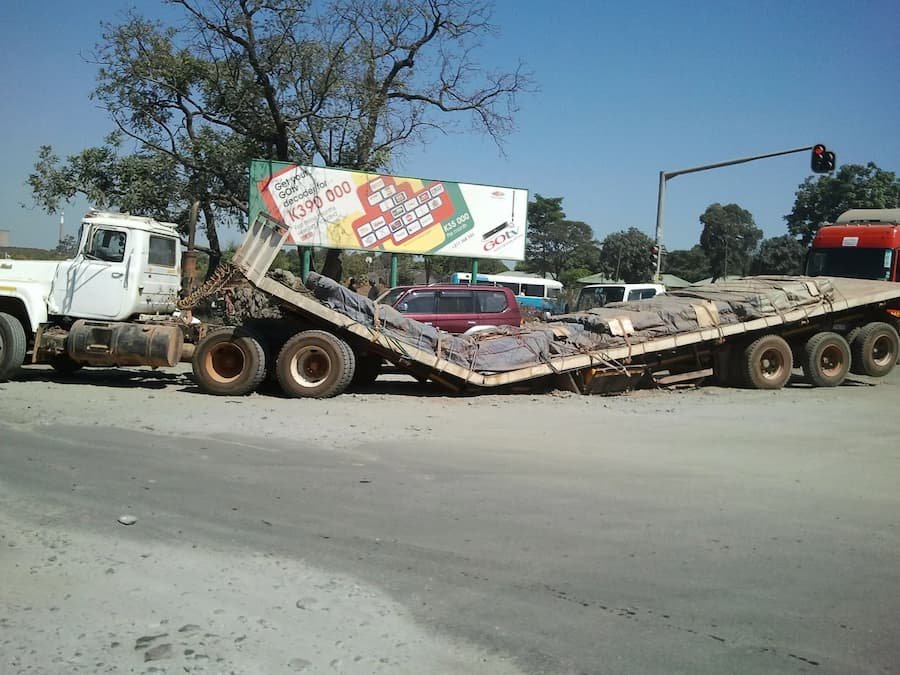
If nobody needs immediate medical attention and a vehicle can be driven safely, moving it out of active traffic may reduce the risk of another collision. On busy Georgia corridors, standing beside a disabled vehicle can be especially dangerous. Use flashers and pull to a shoulder, parking area, or other safe refuge when possible.
Do not move a vehicle if it is unsafe to drive, if there is a fuel leak or fire risk, or if emergency personnel tell you to leave it where it is. Before moving, take quick photographs of the vehicles’ positions if it is safe to do so. Never leave the scene without a valid reason or official direction.
Exchange and Gather Information
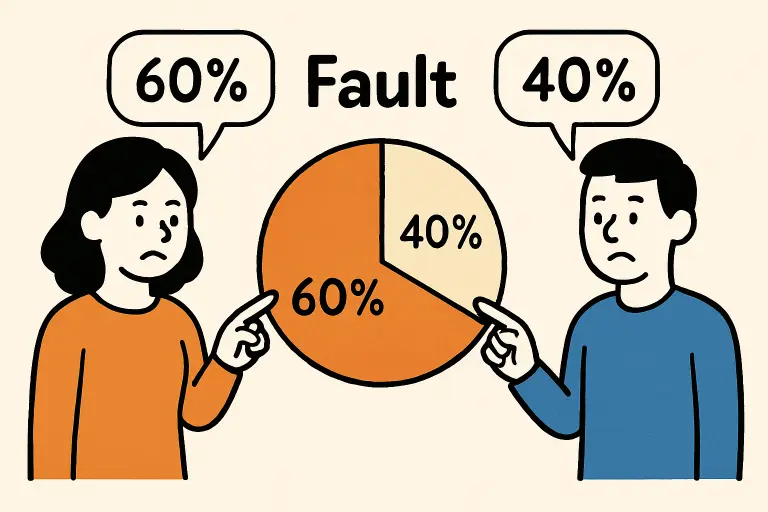
After immediate safety concerns are under control, exchange information calmly. Keep the conversation factual. You do not need to debate fault, apologize for something you are unsure about, or guess at the speed or actions of another driver.
- Names, phone numbers, and addresses of drivers and passengers
- Driver’s license numbers and license plate numbers
- Insurance company names and policy information
- Vehicle make, model, color, and ownership details
- Witness names and reliable contact information
- The officer’s name, agency, and report number
Document the Scene With Photos and Notes
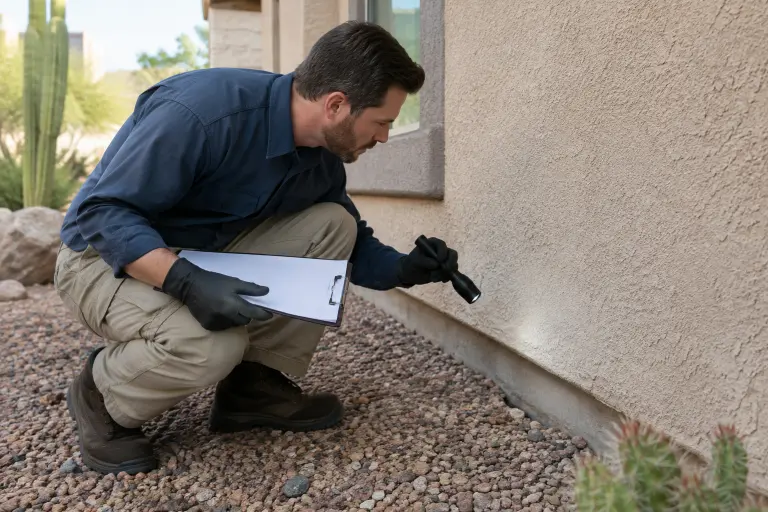
Photographs and notes may be useful because vehicles get repaired, weather changes, and memories fade. Use your phone to photograph each vehicle from several angles, close-ups of damage, license plates, traffic signals, lane markings, debris, road conditions, and visible injuries. If there are nearby businesses or homes with cameras, note their locations without entering private property.
Write a brief timeline while events are fresh. Include the time, location, direction each vehicle was traveling, weather, traffic conditions, and what you saw before and after the impact. Keep your notes factual. Statements such as “the light was green” are more useful than conclusions about who was at fault.
Seek Medical Care Promptly
Medical attention is about protecting your health first. Some injuries, including concussions, soft tissue injuries, and pain related to sudden force, may not be obvious at the scene. Seek urgent care or emergency treatment when symptoms warrant it, and tell the provider that the symptoms followed an accident.
Head injuries deserve particular caution. The CDC notes that concussion symptoms can emerge hours or days after an injury, while worsening headache, repeated vomiting, weakness, numbness, seizures, unusual behavior, or increasing drowsiness require immediate emergency care. Review the CDC’s warning signs after a possible concussion if a head impact or violent jolt occurred.
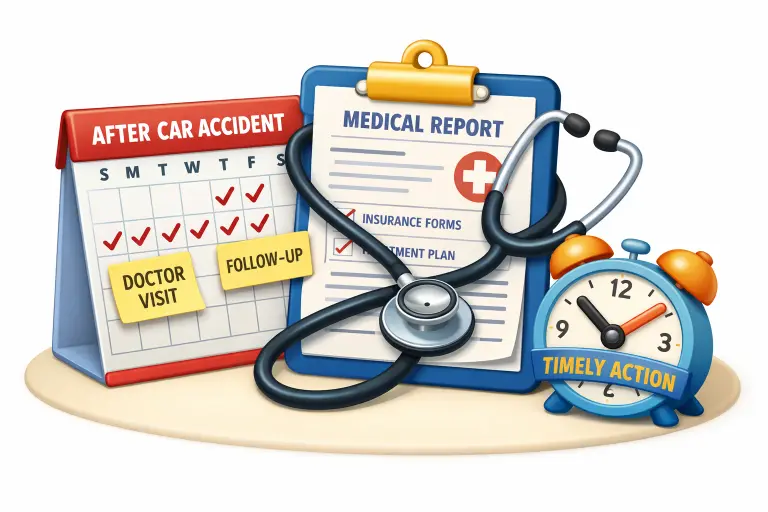
Keep discharge instructions, prescriptions, medical bills, appointment dates, and notes about symptoms that affect sleep, work, movement, or daily activities. Follow the treatment plan and attend recommended follow-up appointments.
Notify Your Insurance Company Carefully
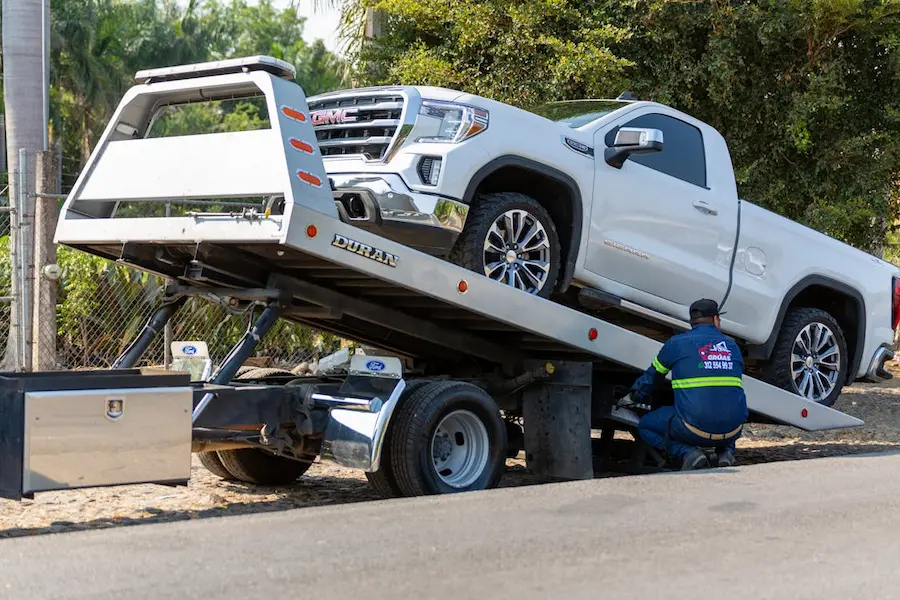
Report the accident to your insurer within the timeframe required by your policy. Provide basic facts, the report number if available, photographs, and contact information for involved parties. Ask what the insurer needs before authorizing repairs, towing, or disposal of damaged property.
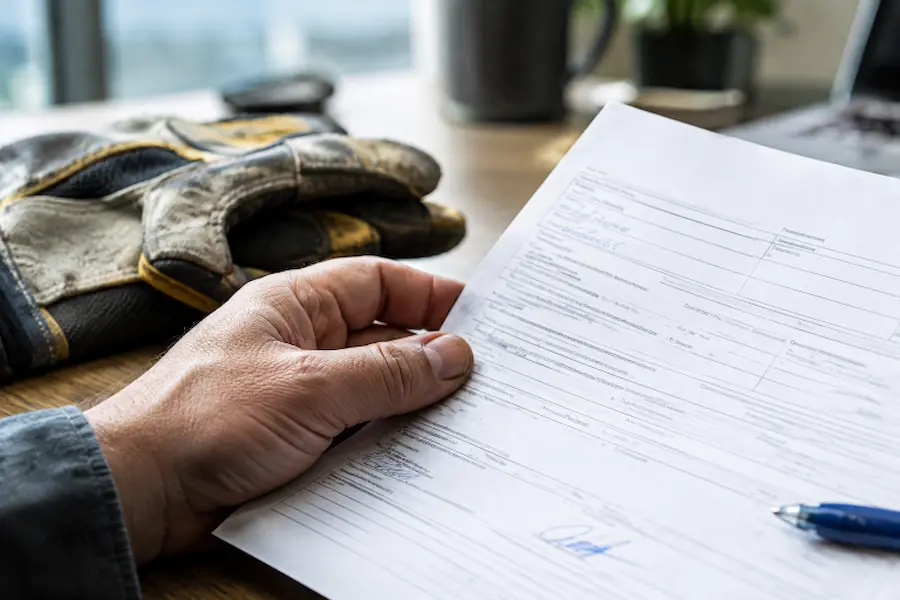
Avoid guessing about details you do not know. Do not speculate about fault or the full extent of injuries before medical evaluation. Read releases, repair authorizations, and settlement documents carefully. A quick offer may not account for medical needs or property damage that has not yet been fully evaluated.
Avoid Common Post-Accident Mistakes
- Do not leave before exchanging information or receiving direction from law enforcement.
- Do not argue, threaten, or accuse another person at the scene.
- Do not post photos, accusations, or details about injuries on social media.
- Do not throw away damaged clothing, helmets, child seats, or vehicle parts that may be relevant.
- Do not delay care for new dizziness, pain, numbness, confusion, or other concerning symptoms.
Handle Special Situations
Hit-and-Run Accidents
Call police, record everything you remember about the fleeing vehicle, and look for witnesses. Note the direction of travel, vehicle color, make, model, plate characters, and any visible damage. Preserve photos and ask nearby businesses whether they may have relevant video.
Rideshare, Delivery, Rental, or Company Vehicles
These accidents may involve additional reporting procedures and insurance policies. Report the incident through the appropriate platform, rental company, or employer, but keep your own copy of photographs, messages, reports, and medical records.
Children and Older Adults
Prompt medical evaluation may be especially important when a person has trouble describing symptoms or is more vulnerable to injury. Watch for changes in alertness, mobility, behavior, balance, or pain after the accident.
Final Checklist
- Check for injuries and call 911 when needed.
- Protect the scene and move to safety only when it is safe.
- Exchange information and collect witness details.
- Photograph vehicles, conditions, and relevant evidence.
- Seek medical care and follow provider instructions.
- Notify your insurer and preserve all accident-related records.
Conclusion
A calm, orderly response can help protect your health and preserve important information after a personal injury accident in Georgia. Put safety first, document what you can, and obtain medical attention whenever symptoms or concerns arise.





























































































































































































































































































































































































































































































































































































































































































































































































































































































0