
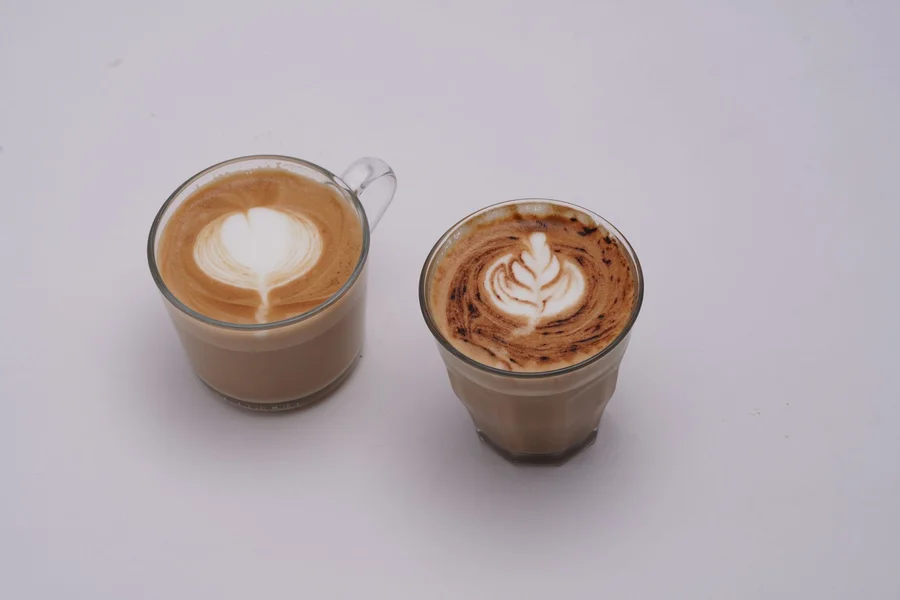
The crossover between coffee and beer has transformed from a niche experiment into a staple of craft beverage culture. Coffee and beer sharing similar flavor notes like roastiness, chocolate, and bitterness has led brewers to combine these two morning and evening favorites. Today, craft beverage fans can enjoy coffee-infused ales, porters, and hybrid spaces that celebrate both brewing styles.
Table of Contents
The Rise of Coffee and Beer Crossover Culture
The coffee and beer trend has gained massive popularity as craft beer brewers and specialty coffee roasters collaborate to create unique taste profiles. Many independent breweries now feature coffee-infused beers as year-round flagships rather than seasonal limited runs. According to industry reports published by the Brewers Association, coffee remains one of the most popular natural flavor additions in the craft beer industry.
Alongside the beers themselves, a new retail model has emerged: the hybrid cafe-bar. These day-to-night establishments serve single-origin espresso drinks by day and transition into craft beer taprooms by night. From what we’ve seen in urban neighborhoods, these dual-purpose spaces create a comfortable community hub that appeals to remote workers and evening socializers alike.
How Coffee Stout and Porter Are Brewed
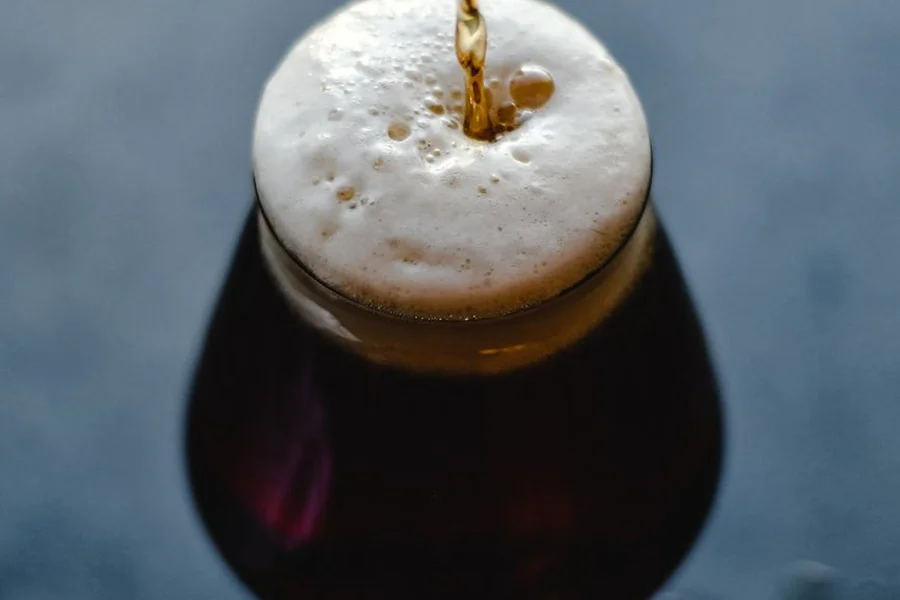
Brewing a successful coffee stout or coffee porter requires carefully balancing the acidity of the coffee with the sweetness of the malts. Brewers typically use roasted malts in the grain bill to create a dark base that naturally complements coffee flavors. However, adding coffee to the brew must be done carefully to avoid extracting harsh, astringent tannins from the coffee beans.
Specialty brewers use different methods to infuse the coffee flavor during the brewing process. According to brewing guidelines from the Specialty Coffee Association, cold brew coffee is the preferred addition method because it extracts fewer bitter oils and acids than hot brewing. Adding cold brew directly to the fermentation tank right before packaging ensures a clean, smooth coffee aroma without any burnt aftertaste.
Taste Profiles: Stout vs Porter
While both stouts and porters are dark beers that pair well with coffee, they offer distinct drinking experiences. A coffee stout is typically heavier and creamier, often utilizing unmalted roasted barley or oats to create a rich mouthfeel. A coffee porter is generally lighter in body and focuses more on sweet, chocolatey flavors rather than intense espresso notes.
We’ve noticed that beer fans often prefer coffee stouts during colder months because of their warming, heavy character. If you are exploring these rich flavors while trying to maintain a balanced lifestyle, checking our guide on maintaining a balanced lifestyle and healthy eating habits can help you make mindful dietary choices. Understanding the differences between these dark beer styles helps you select the right bottle for your palate.
Health Considerations: Caffeine and Alcohol
Combining caffeine and alcohol requires caution because they affect the body in opposite ways. Caffeine acts as a nervous system stimulant that can mask the depressant, relaxing effects of alcohol. This can make a drinker feel more alert than they actually are, potentially leading to overconsumption of alcohol.
A common myth is that the caffeine in a coffee stout will keep you awake all night. The reality is that most coffee beers contain very small amounts of actual caffeine per serving, as the coffee is added primarily for flavor and aroma. However, one common pitfall we see people make is drinking high-caffeine espresso drinks immediately after alcohol to try and sober up quickly. This does not lower blood alcohol levels and can strain the cardiovascular system; drinking plenty of water remains the best approach. If you want to understand how chemical stimulants affect focus and rest, you can read our tips on focus, memory, and caffeine consumption habits.

Selecting the Best Coffee Beers
When shopping for coffee-infused beers, look for bottles that name the specific coffee roaster or bean origin on the label. High-quality breweries often partner with local coffee roasters to select beans that match the hop and malt profile of the beer. We prefer coffee beers that use cold-steeped whole beans because they deliver a fresher, more vibrant coffee aroma.
Whether you prefer a thick imperial stout aged in bourbon barrels or a crisp coffee-infused blonde ale, the crossover category offers something for everyone. Paying attention to these details helps ensure a high-quality drinking experience. Enjoying these craft creations in moderation allows you to appreciate the skill that goes into both brewing arts.
Frequently Asked Questions
Does coffee beer contain real caffeine?
Yes, coffee beers contain real caffeine since they are brewed with actual coffee beans or cold brew. However, the amount of caffeine is usually very low, typically less than a tenth of a standard cup of coffee per bottle.
What is the difference between a coffee stout and a coffee porter?
Coffee stouts are generally thicker, creamier, and carry a stronger roasted espresso flavor due to the use of roasted barley. Coffee porters tend to be lighter in body and feature sweeter, milk-chocolate notes.
Can you make your own coffee beer at home?
Yes, you can easily make your own coffee beer by adding cold brew coffee to a commercial stout or porter right before serving. A ratio of one part cold brew to four parts beer is a good starting point.
What is a hybrid cafe-bar?
A hybrid cafe-bar is a dual-concept business that operates as a coffee shop serving espresso and pastries in the morning and transitions into a craft beer and wine bar in the evening.
How is coffee added to the brewing process?
Brewers add coffee in several ways, including steeping whole beans in the fermenter, adding grounds during the final minutes of the boil, or blending finished cold brew coffee into the beer prior to packaging.
Do coffee beers taste bitter?
The bitterness of a coffee beer depends on the brewing method and malts used. Beers brewed with cold brew coffee tend to be smooth and sweet, while those brewed with hot coffee can have a more pronounced, roasty bitterness.

Written by Rosella
Rosella is a self-taught digital creator with a passion for breaking down tech, lifestyle, and everyday topics into simple, easy-to-understand content. Based in Youngstown, Ohio, she brings a curious, multi-disciplinary approach to writing, covering everything from the latest tech trends to practical life hacks and personal growth insights.
Her goal is straightforward: take complicated ideas and explain them in a way that actually makes sense, so every reader, whether a total beginner or someone more experienced, walks away having learned something useful. When she’s not writing, you’ll usually find her exploring new tools, sharpening her skills, or spending time with family.
Through this blog, Rosella aims to build a community centered on real, actionable insights rather than fluff, jargon, or filler content.

0