
Table of Contents
Key Takeaways
- Routine checks can identify abnormal heat, vibration, noise, lubrication concerns, and airflow restrictions early.
- Maintenance decisions should consider the complete air system, not only the blower itself.
- Dirty filters, air leaks, excess pressure, and poor control settings can increase operating costs.
- Safe service requires isolation of electrical, mechanical, pneumatic, and stored energy sources.
- Trend data for temperature, vibration, current, pressure, and airflow can improve planning.
Table of Contents
- Why Blower Maintenance Matters
- Common Warning Signs of Blower Trouble
- A Practical Maintenance Schedule
- Key Components to Inspect
- How Maintenance Supports Energy Efficiency
- When to Repair, Rebuild, or Replace
- Safety Steps Before Service
- Using Data and Condition Monitoring
- Common Questions About Blower Maintenance
- Conclusion
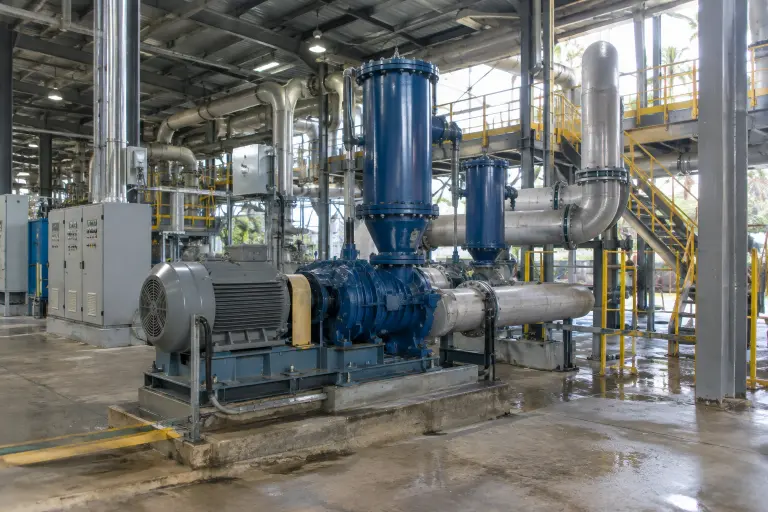
Florida facilities depend on industrial air-moving equipment for ventilation, aeration, drying, material handling, and process control. Heat, humidity, airborne dust, storm exposure, and salt air in coastal areas can all shape maintenance needs. Understanding how to inspect and protect blowers helps maintenance teams reduce avoidable downtime while supporting steady, safe operation.
A dependable maintenance plan does not focus on the blower alone. Filters, motors, belts, piping, controls, valves, and operating conditions all affect airflow, pressure, temperature, and energy use. Regular observations make it easier to find small changes before they develop into damaged bearings, overheated motors, or an unexpected shutdown.
Related equipment deserves the same practical attention. In systems that combine air movement, vacuum functions, or sewer-cleaning duties, timely vacuum pump repair can help prevent a separate mechanical issue from disrupting the larger operation.
Why Blower Maintenance Matters
Blowers often run for long periods and may operate under changing loads. A restricted inlet, loose belt, failing bearing, or downstream blockage can make the unit work harder than intended. In Florida, moisture and corrosive conditions can also affect electrical connections, hardware, housings, and outdoor equipment. Maintenance intervals should reflect operating hours, temperature, dust, moisture, pressure, and the manufacturer’s instructions rather than relying only on a calendar.
Common Warning Signs of Blower Trouble
Sound, Heat, and Vibration
New grinding, rattling, squealing, knocking, or pulsing noises should be investigated, especially when they begin at startup or increase under load. Rising temperatures at bearings, housings, motors, or discharge piping may point to restricted airflow, lubrication problems, misalignment, or higher system resistance. Excess vibration can result from imbalance, bearing wear, damaged rotating parts, loose mounting hardware, pipe strain, or an uneven base.
Performance Changes
Lower airflow, reduced pressure, longer cycle times, higher motor current, repeated alarms, or frequent restart attempts are meaningful changes. Record the conditions when they occur, including valve positions, process demand, weather exposure, and recent system modifications.
A Practical Maintenance Schedule
Daily or Per-Shift Checks
- Listen for unusual sounds and look for vibration or movement.
- Review pressure, airflow, temperature, motor current, and alarms.
- Check for oil leaks, air leaks, loose guards, and damaged hoses.
- Log readings so that normal operation has a clear baseline.
Weekly, Monthly, and Annual Work
- Inspect inlet filters, flexible connectors, belts, couplings, guards, bolts, and ventilation openings weekly.
- Review lubricant condition, alignment, belt tension, sensors, controls, valves, piping, and support structures monthly or quarterly as appropriate.
- Use planned shutdowns for deeper inspections, recurring-fault reviews, internal checks when needed, and spare-parts planning.
Key Components to Inspect
Filters, Bearings, and Drives
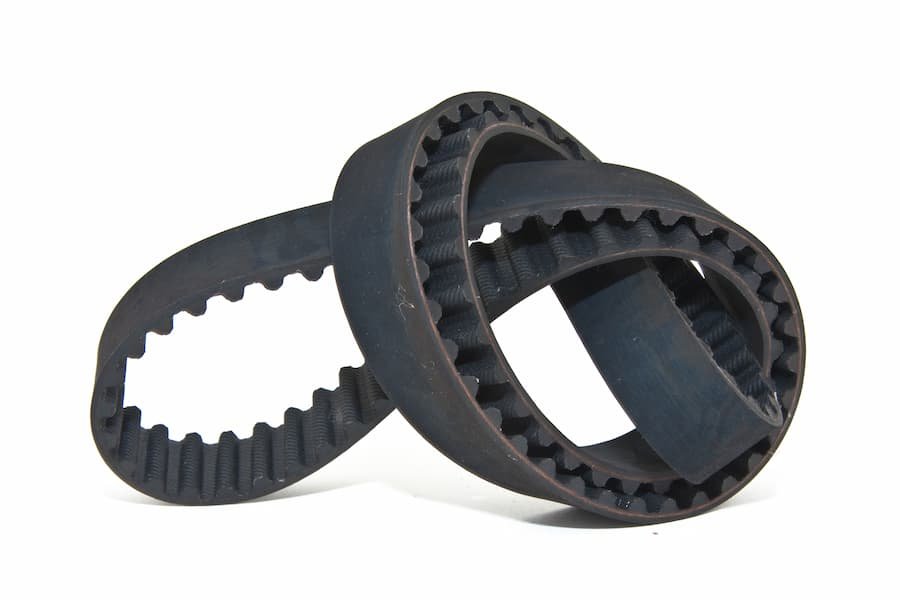
Dirty filters restrict inlet air and can increase the effort required to move air through the system. Inspect filters more often in dusty or wet environments. Check the lubricant level and condition, then use only the lubricant type and amount specified for the equipment. Over-greasing can create heat and damage seals. Belts should be checked for cracks, glazing, fraying, stretch, and uneven wear. Couplings and shafts should be aligned because misalignment can contribute to vibration and shortened bearing life.
Piping and Connections
Inspect piping, valves, expansion joints, and flexible connections for leaks, corrosion, blockages, and excess pressure drop. Confirm that connected piping is properly supported and is not placing force on the blower housing. A blower that appears underperforming may instead be responding to a restriction or leak elsewhere in the system.
How Maintenance Supports Energy Efficiency
Unnecessary pressure, clogged filters, air leaks, and output that exceeds process demand can waste energy. Tracking power use alongside pressure and airflow helps show whether the system is providing useful output efficiently. The U.S. Department of Energy notes that preventive maintenance strategies for compressed-air systems are part of broader efforts to improve system performance. Where process demand varies, properly configured controls or variable-speed operation may reduce wasted output, provided required airflow and safe operating conditions are maintained.
When to Repair, Rebuild, or Replace
Repair may be appropriate when the problem is limited to serviceable parts such as filters, belts, seals, bearings, or sensors, and the blower still fits the required duty. A rebuild may be considered when the frame and casing are sound, but internal wear, clearances, seals, bearings, or rotating components need attention. Replacement may be the better choice when failures continue after proper repairs, parts are no longer supported, repair costs become disproportionate, or process changes mean the blower no longer matches the required airflow and pressure.
Safety Steps Before Service
Before maintenance begins, use the approved shutdown procedure, isolate all relevant energy sources, relieve pressure, allow hot surfaces to cool, and verify that rotating parts have stopped. Personnel should use the required protective equipment and suitable lifting methods for heavy components. OSHA’s control of hazardous energy requirements addresses the need to protect workers from unexpected energization, startup, or stored-energy release during servicing. Reinstall guards and test the equipment from a safe position before returning it to normal use.
Using Data and Condition Monitoring
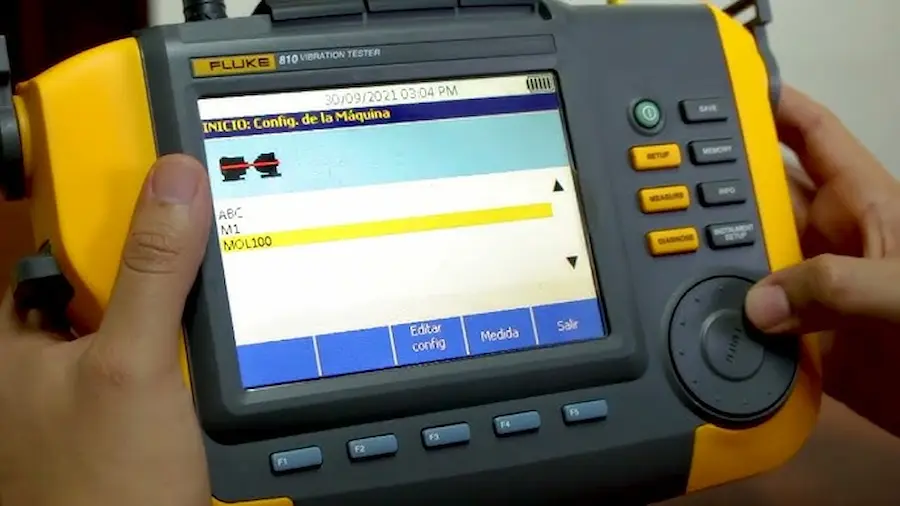
Condition monitoring helps teams see gradual change rather than waiting for a failure alarm. Useful readings include vibration, bearing, discharge temperature, pressure, airflow, motor current, and power use. Compare current readings to the equipment’s normal baseline, and document leaks, corrosion, unusual sounds, and visible wear with notes or photos. Digital sensors and alerts can support service planning, but they work best when personnel review the information and investigate meaningful trends.
Common Questions About Blower Maintenance
How often should an industrial blower be serviced?
Operators should perform basic observations daily or per shift, while deeper tasks follow manufacturer guidance and site conditions. High dust, humidity, heat, or continuous operation may justify more frequent inspections.
What commonly causes blower failures?
Common contributors include dirty filters, poor lubrication, misalignment, excessive pressure, vibration, overheating, leaks, and neglected system restrictions.
Can a blower keep running with high vibration?
High vibration can worsen mechanical damage. Identify the source promptly and follow the facility’s operating and safety procedures before continued use.
When should a specialist be called?
Outside assistance may be appropriate for repeated failures, severe vibration, damaged rotating parts, electrical faults, persistent pressure problems, precision alignment, machining, or balancing work.
Conclusion
Reliable industrial blower operation in Florida starts with consistent inspections, accurate records, safe work practices, and attention to the complete air system. A short, well-timed check can reveal developing problems before they become a costly interruption.

































































































































































































































































































































































































































































































































































































































































































































































































































































































































































0