

Building across borders introduces layers of challenge that stretch far beyond blueprints and machinery. Each region has its own systems, languages, and governing rules that can either propel or stall progress. An international construction company like Nav Int simplifies these global construction barriers through strategic coordination, specialized compliance knowledge, and operational consistency that keeps even the most complex projects on schedule.
Table of Contents
Coordination Barriers Across Multinational Construction Teams
Collaboration across continents demands precision in communication and alignment. Different time zones, management styles, and project delivery standards often cause delays or duplicated work. Nav Int creates structured coordination systems that unite teams under one operational framework, ensuring that architects in one country and engineers in another work from synchronized data and specifications.
Unlike smaller contractors limited by local infrastructure, Navigator International employs digital project control centers that track every aspect of construction progress. This allows stakeholders to review timelines, quality metrics, and cost tracking in real time, regardless of geographic separation. It neutralizes confusion and miscommunication before they impact global construction schedules.
Variances in Regulatory and Permitting Environments Abroad
Each country enforces its own building codes, safety standards, and environmental regulations, making international construction compliance a maze for companies without specialized knowledge. Nav Int maintains experts who interpret local and international codes to ensure projects adhere to both host-nation and contractual requirements. This includes permits, zoning restrictions, and environmental assessments often overlooked by less experienced firms. Through its established network of regional consultants and government liaisons, Navigator International reduces waiting periods and eliminates missteps that can delay approvals. By anticipating differences in legal expectations before a project begins, the company transforms potential regulatory setbacks into predictable timelines.
Cultural and Communication Gaps Within Project Hierarchies
Cultural nuance plays a larger role in construction management than many assume. Differences in workplace expectations, leadership communication, and conflict resolution styles can create tension between multinational teams. Nav Int recognizes that cultural literacy directly influences productivity and team morale.
The company implements communication protocols tailored to each region’s working culture. By training project leaders to interpret context and tone across languages, Navigator International prevents misunderstandings that could disrupt coordination or delay government construction timelines. These practices strengthen collaboration and trust across international project hierarchies.
Supply Chain Disruptions Affecting Global Material Flow
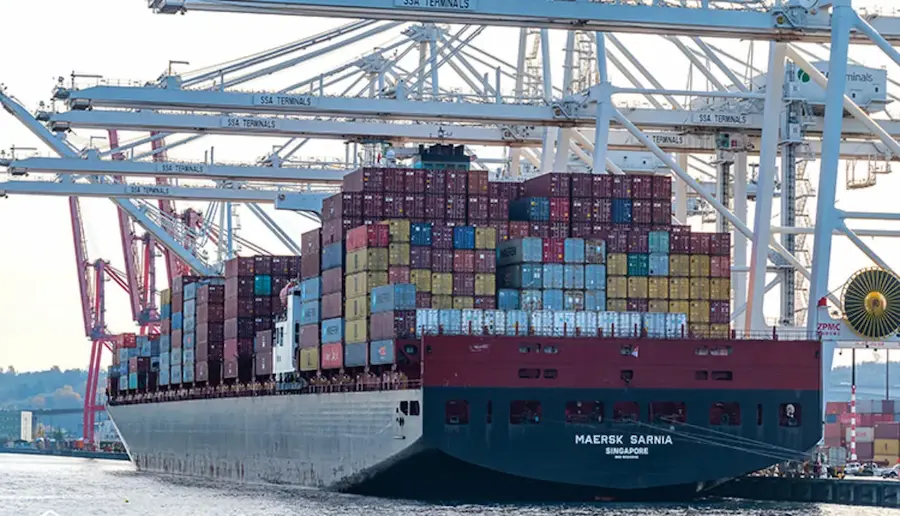
Supply chains have become more unpredictable due to political shifts, port delays, and material shortages. Nav Int stabilizes procurement by using multi-channel sourcing and regional warehousing strategies that ensure steady supply regardless of international bottlenecks. This proactive approach reduces dependency on a single supplier or route. For global construction clients, it means steel, glass, and electrical components continue to arrive on-site even if one market experiences restrictions. Navigator International’s procurement network enables project continuity where others encounter standstills.
Currency Fluctuations Influencing Project Cost Stability
Currency shifts can alter project budgets overnight, affecting everything from equipment rentals to payroll. Nav Int anticipates these fluctuations by incorporating financial modeling into contract structures. Through fixed-rate agreements and localized procurement, the company minimizes exposure to unstable exchange rates.
In global construction, budgeting precision matters as much as technical skill. Navigator International uses hedging strategies and region-based banking relationships to stabilize expenses and maintain predictable project margins. This approach ensures investors and government construction partners experience consistent financial reporting across multiple currencies.
Labor Law Discrepancies Across Foreign Jurisdictions
Employment standards differ widely between nations. Issues such as wage requirements, safety mandates, and union structures must align with local law while still meeting international contract obligations. Nav Int manages this complexity through dedicated human resources teams versed in foreign labor legislation.
These specialists coordinate with local authorities and subcontractors to verify compliance on every site. For international construction projects, this prevents legal conflicts, worker disputes, or contract penalties. Navigator International’s ability to operate seamlessly under varying labor frameworks preserves efficiency and protects both client and workforce interests.
Site Mobilization Challenges in Remote or Restricted Regions
Many international construction sites exist in areas with limited access or heightened security requirements. Transporting heavy machinery, workforce housing, and utilities becomes a project in itself. Nav Int specializes in mobilization logistics, preparing sites with infrastructure support before main construction begins.
In government construction or remote industrial zones, the company deploys modular systems and off-grid energy solutions to establish temporary yet stable operations. This foresight eliminates downtime and allows project execution to start without waiting for permanent utilities. Navigator International’s logistics planning transforms inaccessible sites into operational hubs ready for global-scale work.
Quality Assurance Inconsistencies Across International Vendors
Ensuring consistent quality across different manufacturing sources is one of the most complex challenges in global construction. Material testing standards vary by country, and production oversight can be uneven. Nav Int counteracts this through unified quality control systems that standardize inspection criteria across all vendor locations.
Before materials leave suppliers, Navigator International conducts pre-shipment audits and on-site testing to confirm compliance with international specifications. These checks prevent quality variance that could otherwise compromise structure integrity or delay project milestones. By maintaining the same performance standards worldwide, the company guarantees uniform results regardless of where components originate.




























































































































































































































































































































































































































































































































































































































































































































































































































































































































































































0