
Table of Contents
Key Takeaways
- Regular pruning promotes plant health and prevents overgrowth, which can impede water flow and block light for other species.
- Balancing light and CO₂ levels is crucial for optimal aquatic plant growth; excess and deficiency can disrupt photosynthesis and plant health.
- Incorporating beneficial bacteria supports a stable ecosystem, aiding nutrient cycling and protecting fish and plants.
- Utilizing sustainable materials and innovative technologies can significantly enhance plant care, minimize waste, and reduce the aquarium’s environmental footprint.
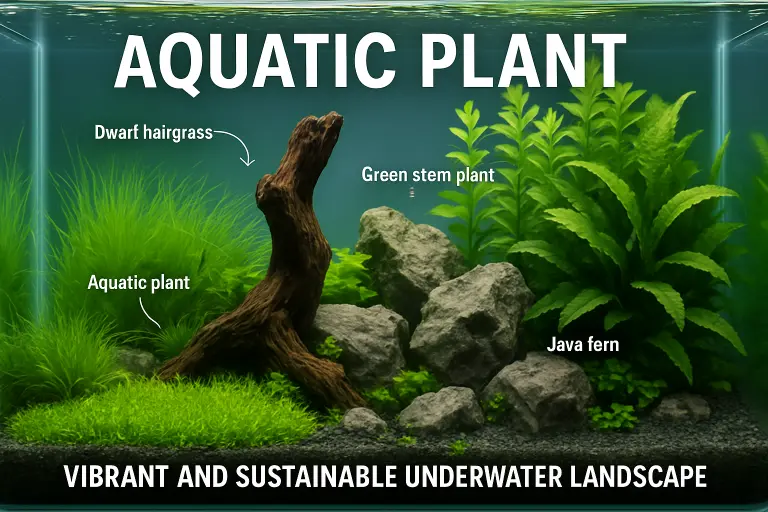
Vibrant aquatic plants do more than simply beautify an aquarium; they are critical players in maintaining overall tank health and establishing a balanced, harmonious underwater ecosystem. Healthy plants serve as living filters, constantly removing harmful toxins from the water, producing life-giving oxygen, and providing vital shelter and breeding grounds for fish and microfauna. By employing specialized care techniques tailored to plant needs, aquarists can ensure their aquatic greenery not only survives but thrives. Mastering plant care—including planting, maintenance, optimal lighting, and pruning—unlocks the transformative power of aquascaping. Enthusiasts seeking actionable, step-by-step guidance on everything from routine care to advanced aquascaping can benefit from resources like aquatic pond plants to help their underwater worlds flourish. With the right combination of attention and creativity, anyone can turn their aquarium into a vibrant showcase teeming with healthy aquatic plants, shimmering colors, and dynamic life. A well-planted aquarium also helps stabilize water chemistry, creating a healthier habitat for all tank inhabitants. The interplay between flora and fauna in an aquascape mimics nature’s cycles, promoting sustainability and long-term ecological balance. Whether you’re a novice or seasoned aquarist, cultivating aquatic plants brings both aesthetic satisfaction and biological benefits to your aquatic setup.
Precision Pruning Techniques
Routine trimming is essential for controlling plant growth and structure, ensuring every plant receives sufficient light and nutrients. Without regular pruning, species like stem plants can easily overrun a tank, depriving others of light and causing unsightly overcrowding. For stem plants such as Rotala and Ludwigia, pruning just above a leaf node at a 45-degree angle encourages branching, resulting in bushier, more compact growth. When maintaining carpeting plants like Monte Carlo or Glossostigma, carefully clipping the top layers with sharp aquascaping scissors helps preserve the mat’s density while encouraging horizontal spread, creating a lush foreground. After trimming, immediately remove loose plant material with a net or siphon to prevent the buildup of decaying organic matter, which can reduce water quality and contribute to algae blooms. These practical techniques, championed by master aquarists, promote both aesthetic appeal and long-term health across all plant species. Trimming also stimulates new growth by redirecting energy to developing shoots and roots. Regular shaping enhances plant symmetry, allowing aquascapers to craft precise layouts and maintain design intent. With consistency, pruning becomes a powerful tool for sustaining both plant vigor and visual balance in the aquarium.
Optimizing Light and CO₂ Balance
Photosynthesis is the driving force behind healthy plant growth and requires an optimal synergy between light and carbon dioxide (CO₂). Most planted tanks thrive on 6 to 8 hours of full-spectrum LED lighting, which helps replicate natural sunlight without risking overheating. Quality LED fixtures provide energy-efficient illumination and customizable intensity, allowing aquarists to tailor light levels for low, medium, or high-light species. In high-tech setups, CO₂ supplementation accelerates plant growth and intensifies coloration, but must be introduced with caution. Excess CO₂ or light can lead to explosive algae growth or stress aquatic animals, while shortages may slow or stunt plant development. Gradual adjustments, monitoring plant response, and using timers for lights and CO₂ diffusers are effective strategies for dialing the perfect balance.
Incorporating Beneficial Bacteria
Behind the scenes of every healthy aquarium lies a diverse community of beneficial bacteria, playing a crucial role in managing the nitrogen cycle. These invisible microorganisms convert toxic ammonia (introduced by fish waste, uneaten food, and decaying plant matter) into less harmful nitrites and then into plant-friendly nitrates. This process not only provides essential nutrients to aquatic plants but also protects aquarium inhabitants from harmful toxic buildup. To safeguard these bacteria, avoid using antibiotics or harsh chemical treatments and refrain from deep-cleaning the substrate or over-sanitizing decorations. After large water changes or substrate disturbance, boost populations with commercial bacterial supplements to rapidly restore balance. Ongoing bacteria health is particularly important for new tanks or after extensive maintenance.
Utilizing Sustainable Materials and Technologies
Embracing sustainability in aquarium care involves more than just minimizing waste; it’s about choosing materials and technology that foster both beautiful displays and eco-friendly practices. Decorate tanks with biodegradable items, naturally sourced rocks, and driftwood to create realistic habitats that break down harmlessly over time. Where possible, upcycle materials, or source hardscape and plants from ethical, sustainable suppliers. At the technological forefront, automated lighting helps ensure plants receive consistent photo periods, while programmable CO₂ injectors maintain optimal gas concentrations without human error. These advances make tank care more user-friendly, improve plant health, and limit excess energy or resource use.
Implementing Aquaponics Systems
Aquaponics blends traditional aquariums with hydroponics, cycling nutrients between fish and plants for mutual benefit. In these systems, fish waste is converted by beneficial bacteria into plant-available fertilizers, while the plants absorb these compounds, ensuring cleaner water returns to the fish. This synergy boosts plant growth naturally and reduces the need for artificial fertilizers and frequent water changes. As a result, both fish and plants enjoy superior health, and aquarists benefit from decreased maintenance and resource usage. Even modest home aquarium setups can employ compact aquaponics systems, supporting edibles like herbs or greens as well as ornamental species.
Regular Water Changes and Maintenance
Whether you manage a densely planted aquascape or a simple community tank, regular maintenance is the backbone of plant health and water stability. Weekly water changes of 20–30% help flush away accumulated nitrates, dissolved organics, and impurities that can threaten plant vitality. This routine also allows you to remove uneaten food and dead plant debris before decomposition releases excess nutrients or triggers algae surges. For tanks with sand or soil substrates, gently vacuuming the upper layers every few weeks prevents root suffocation while maintaining healthy nutrient exchange at the soil-root interface. Pruning must be accompanied by post-trim cleanup to avoid decaying matter, which can rapidly degrade water clarity. These preventative measures collectively ensure your plants receive a stable, nutrient-rich environment needed for robust growth.
Monitoring and Adjusting Nutrient Levels
Vigilant water parameter testing is fundamental to keeping aquatic plants healthy and problem-free. Ideally, planted tanks should maintain a stable pH between 6.5 and 7.5—highly variable pH can cause stress and impair nutrient uptake. General hardness should be matched to your plant and fish requirements, while macronutrients such as nitrate (NO₃), phosphate (PO₄), and potassium (K) must remain in balance with plant uptake and water changes. Liquid fertilizers and root tabs can be customized based on observed plant demand, growth rate, and deficiency signs such as yellowing leaves or stunted growth. Refrain from blind dosing to avoid algae blooms, as excess nutrients can be just as damaging as deficiencies. Tracking changes with regular log entries allows aquarists to respond swiftly to shifts and maintain optimal growth conditions.
Choosing the Right Plant Species
Selecting plant species suited to your aquarium’s unique conditions makes ongoing care vastly simpler and more effective. Hardy options like Anubias, Java Fern, and Cryptocoryne thrive in low light and basic setups, requiring minimal intervention. For aquarists with more advanced equipment, demanding plants such as Rotala, Hemianthus, or certain Bucephalandra varieties offer lush, intricate growth but demand higher light, supplemental CO₂, and fine-tuned fertilization. Always research plant preferences—such as water flow tolerance, maximum height, and root vs. water column feeding—and design your tank layout to accommodate each plant’s unique needs. Harmonizing plant selection with equipment and aquascape vision simplifies maintenance and creates a visually stunning underwater landscape.
With thoughtful planning and these creative, science-backed practices, aquarists of any skill level can craft lush, dynamic, and resilient underwater environments. Healthy aquatic plants are both an art and a science—rewarding anyone who applies care, curiosity, and innovation to their hobby.


































































































































































































































































































































































































































































































































































































































































































































































































































































































































































































0