

Table of Contents
Table of Contents
- Look Beyond the View
- Confirm That the Location Works for Daily Life
- Review Coastal Property Conditions Closely
- Evaluate Mountain and Wooded Homes as Complete Systems
- Verify Water, Septic, Power, and Connectivity
- Obtain Insurance Information Before Committing
- Build an Inspection Plan That Fits the Property
- Compare Permits, Disclosures, and the Home You See
- Research Hazards at the Parcel Level
- Create a Realistic Ownership Budget
- Buyer Checklist Before Writing an Offer
- Let Practical Facts Guide the Decision
A view of Monterey Bay, a redwood grove, or a quiet hillside can make a Santa Cruz County home feel like an easy choice. Before writing an offer, however, buyers should look beyond the scenery. Coastal cottages, mountain cabins, hillside homes, and rural parcels can have very different needs involving access, drainage, insurance, utilities, maintenance, and emergency planning.
For a property-specific perspective, Santa Cruz CA real estate agent Daniel Oster provides buying, selling, listing-search, and neighborhood guidance through Daniel Oster’s Santa Cruz real estate website. As a Certified Residential Specialist and broker serving Santa Cruz County, Monterey County, Silicon Valley, and the Greater Bay Area, Daniel Oster brings local experience that can help buyers recognize practical questions that may not be obvious during a short showing.
Look Beyond the View
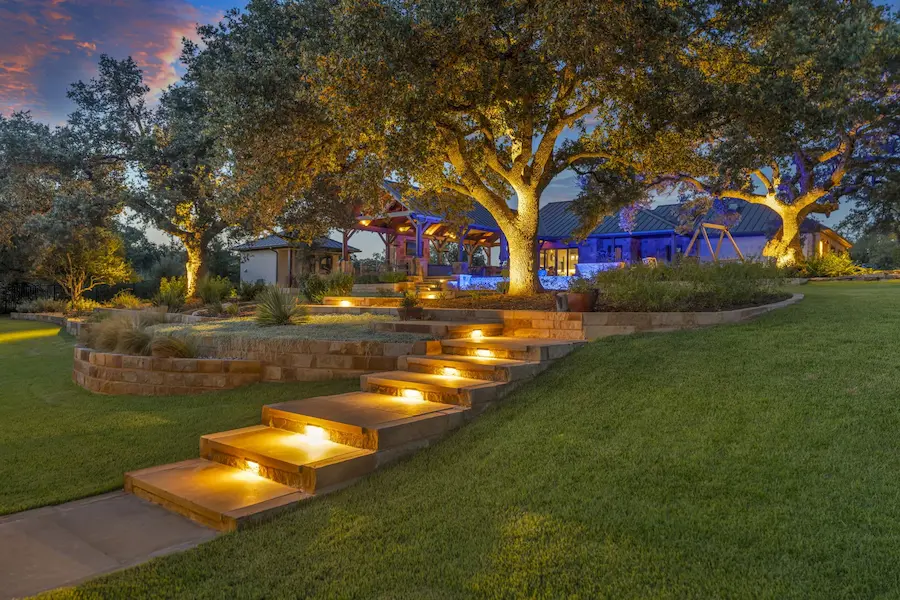
Santa Cruz County offers a broad range of settings within a relatively compact area. A home near the beach in Santa Cruz, Capitola, or Aptos may face salt air and seasonal storm exposure. A property in Felton, Bonny Doon, Boulder Creek, or the San Lorenzo Valley may have steep roads, tree coverage, private utilities, or greater wildfire considerations. The right home is not simply the one with the best setting. It is the one that fits your routine, budget, comfort with maintenance, and long-term plans.
1. Confirm That the Location Works for Daily Life
Visit the property more than once, including at the times you would normally leave for work, school, errands, or appointments. A peaceful road at midday can feel very different during commute traffic, after dark, or in wet weather.
- Drive the route to groceries, medical care, schools, work, and recreation.
- Check driveway slope, turning room, parking, stairs, and visibility when entering the road.
- Consider whether a narrow lane or a long private drive will suit delivery vehicles, guests, pets, and future mobility needs.
- Ask about road maintenance, shared-drive agreements, recorded easements, and emergency vehicle access.
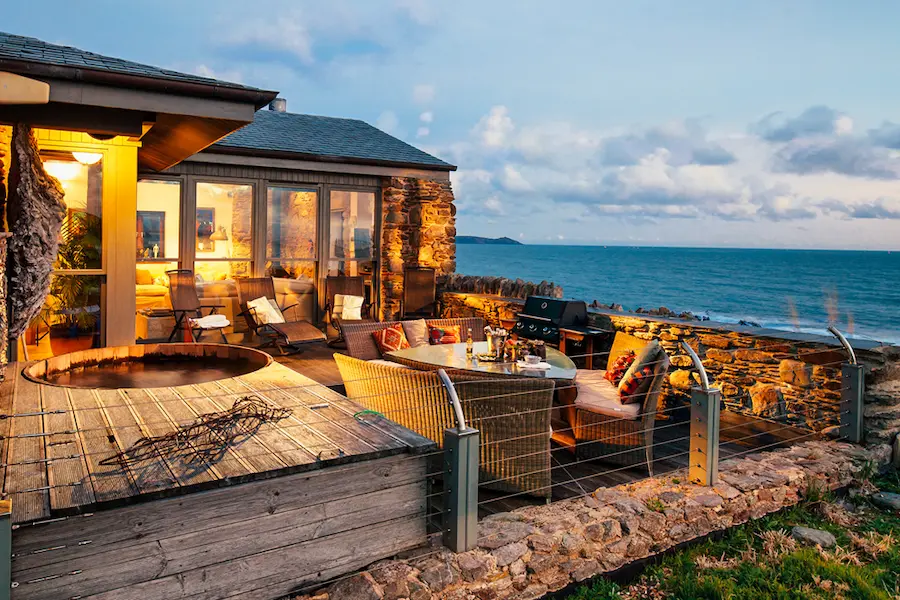
Homes near the ocean can require careful attention to exterior materials and water management. Salt-laden air may contribute to corrosion on metal components, while wind and rain can expose weaknesses around roofs, windows, doors, decks, and flashing. Look for deferred maintenance, peeling finishes, rust, soft deck boards, drainage issues, and signs of prior leaks.
If the property is near a bluff, creek, or low-lying area, ask direct questions about past storm repairs, water intrusion, erosion, retaining walls, and any drainage work. Condominium buyers should also review association documents to understand responsibility for exterior repairs, insurance, landscaping, and planned capital projects.
2. Review Coastal Property Conditions Closely
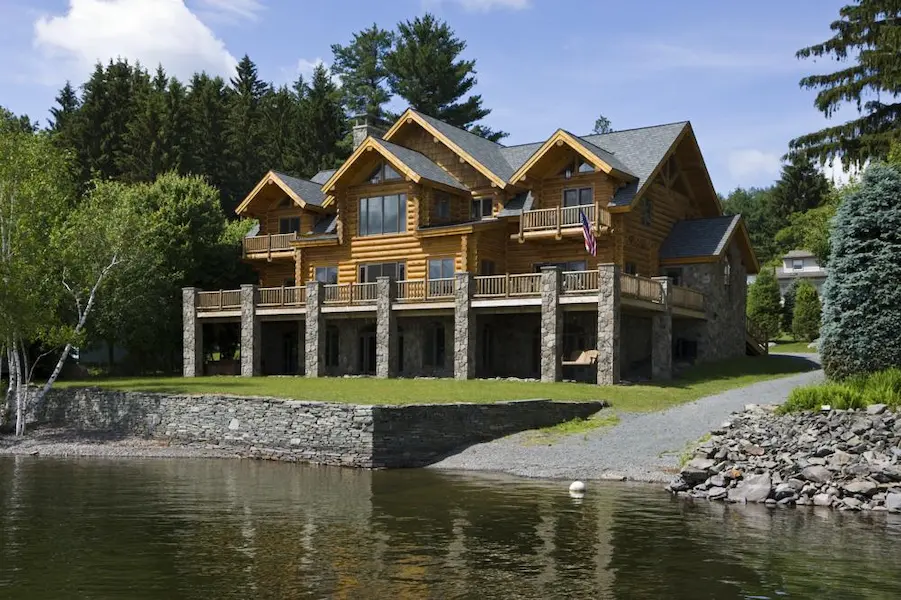
Homes near the ocean can require careful attention to exterior materials and water management. Salt-laden air may contribute to corrosion on metal components, while wind and rain can expose weaknesses around roofs, windows, doors, decks, and flashing. Look for deferred maintenance, peeling finishes, rust, soft deck boards, drainage issues, and signs of prior leaks.
If the property is near a bluff, creek, or low-lying area, ask direct questions about past storm repairs, water intrusion, erosion, retaining walls, and any drainage work. Condominium buyers should also review association documents to understand responsibility for exterior repairs, insurance, landscaping, and planned capital projects.
3. Evaluate Mountain and Wooded Homes as Complete Systems
Mountain homes can offer privacy and dramatic natural surroundings, but they often depend on systems that deserve more investigation. Walk the driveway and inspect its slope, drainage, width, surface condition, culverts, and turnaround space. A lower purchase price may not reflect future expenses for tree work, road repair, drainage improvements, backup power, or specialized insurance.
Pay attention to roof condition, gutters, downspouts, retaining walls, hillside drainage paths, and trees close to structures or utility lines. Buyers should also review evacuation options and ask how the area has been affected by road closures, storms, fallen trees, smoke, or power outages. Maintaining vegetation and creating defensible space are important ownership responsibilities in fire-prone settings, and CAL FIRE’s defensible-space guidance can help buyers understand the basic planning involved.
4. Verify Water, Septic, Power, and Connectivity
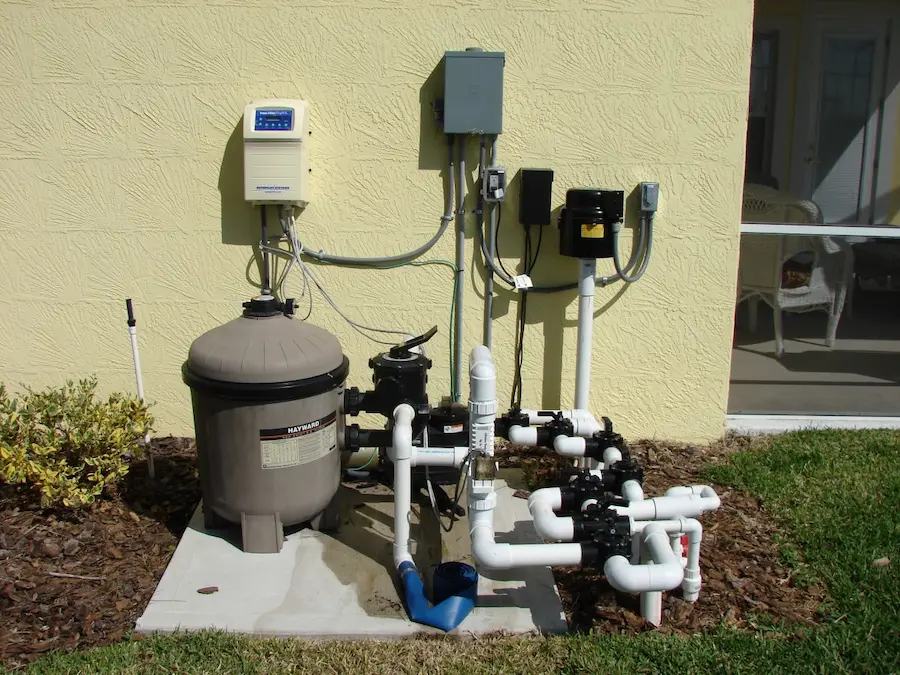
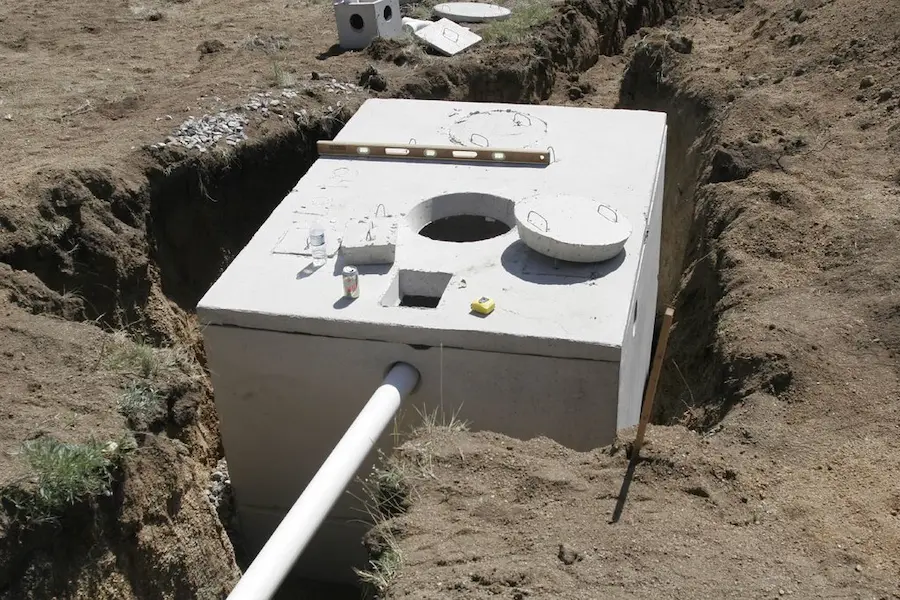
Not every Santa Cruz County property is connected to public water and sewer. A rural home may use a well, spring, or other individual water source, along with an on-site wastewater treatment system. Request available records for water yield, water quality, well equipment, pumps, storage tanks, septic inspections, permits, repairs, and maintenance.
Buyers should also confirm propane delivery access, electrical reliability, internet availability, cellular service, trash collection, and heating equipment. The county’s rural real estate requirements explain transfer-related information for individual water systems and onsite wastewater systems, making it a useful starting point for homes outside municipal utility service.
5. Obtain Insurance Information Before Committing
Request an address-specific insurance quote early, ideally before removing contingencies. Ask about wildfire exposure, roof condition or age, deductibles, coverage limits, prior claims, flood insurance availability, and lender requirements. A seller’s current policy does not guarantee that a buyer will receive the same coverage or premium.
Use insurance information to compare full ownership costs, not just the list price. A home that appears less expensive may require a larger annual budget if it has difficult access, aging systems, heavy tree maintenance, or limited insurance options.
6. Build an Inspection Plan That Fits the Property
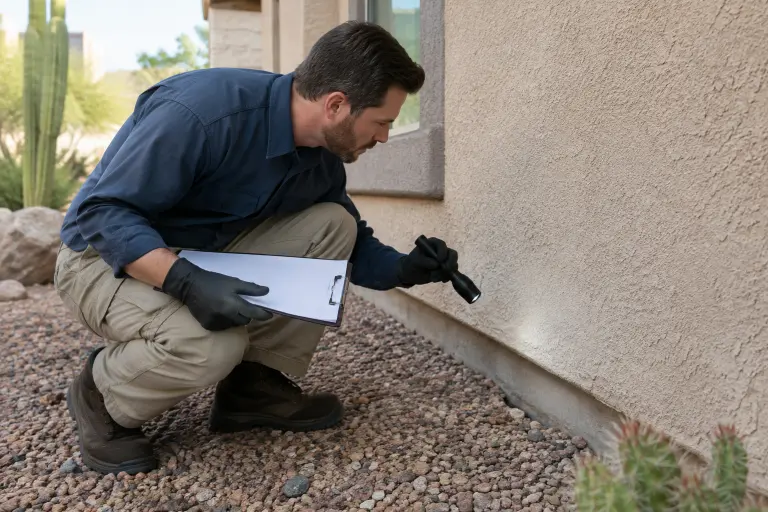
A general home inspection is an important beginning, not necessarily the end of due diligence. Depending on the home, buyers may need additional evaluations for the roof, chimney, pest damage, foundation, electrical system, plumbing, drainage, septic system, well, retaining walls, decks, or slopes.
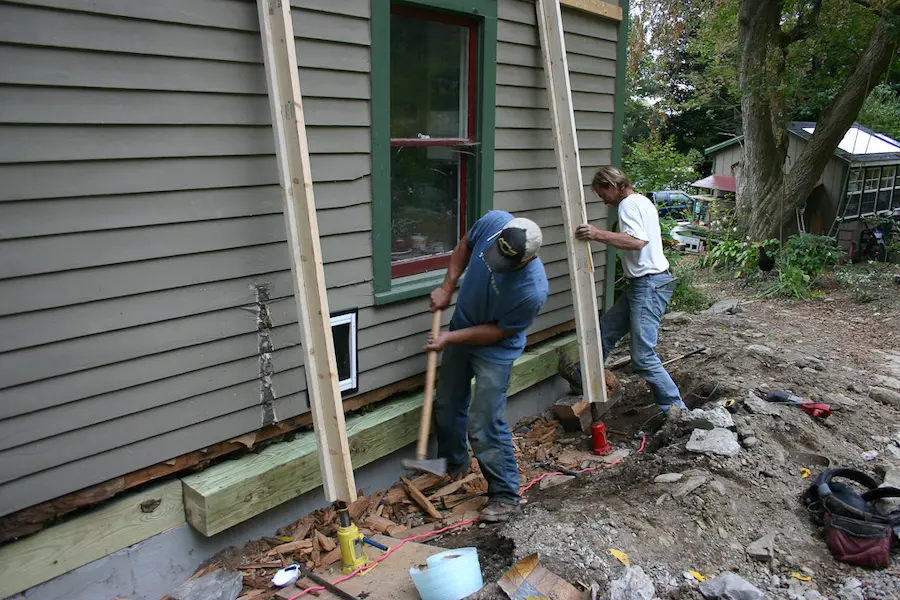
For older homes, ask about prior foundation work, seismic upgrades, remodeling history, and permits. Visible repairs are not automatically a problem, but buyers should understand why work was performed, who completed it, and whether documentation is available. Specialists can help translate findings into practical repair priorities.
7. Compare Permits, Disclosures, and the Home You See
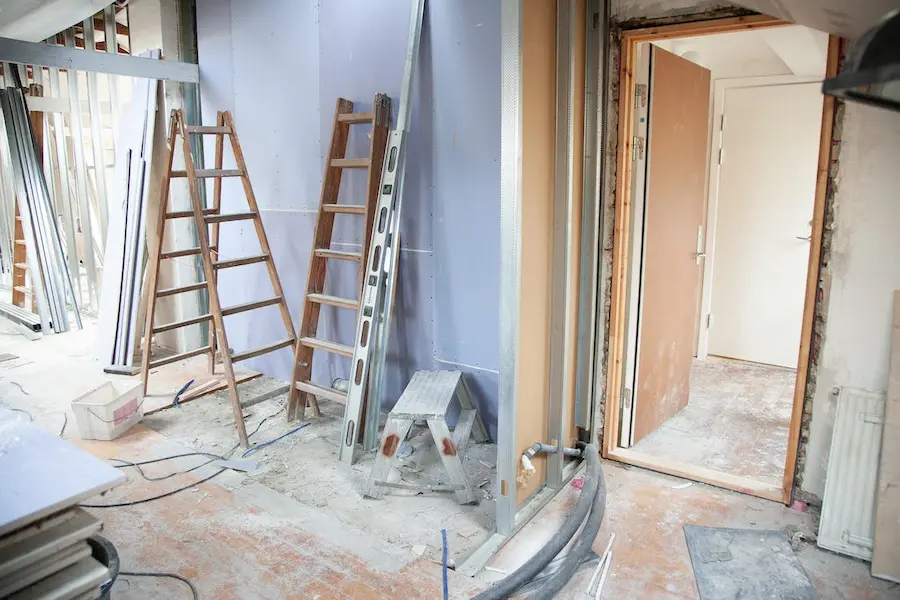
Review permits for additions, converted garages, decks, bathrooms, electrical upgrades, plumbing work, accessory dwelling units, and major renovations. Compare public records, disclosure documents, and inspection observations with the current layout. If a space appears to have been altered without approval, consult qualified professionals about possible safety, financing, insurance, or resale implications.
8. Research Hazards at the Parcel Level
Risk can vary substantially from one street or parcel to another. Review available disclosures and ask whether the property has experienced flooding, water intrusion, earth movement, fallen trees, smoke damage, erosion, or storm repairs. General neighborhood reputation is useful, but it cannot replace property-specific research into wildfire, flood, earthquake, landslide, and drainage conditions.
9. Create a Realistic Ownership Budget
Build a budget that accounts for predictable monthly bills and less frequent major expenses. Include:
- Mortgage payment, property taxes, insurance, HOA dues, and utilities.
- Fuel, internet, road fees, landscaping, tree work, and exterior maintenance.
- Near-term repairs were identified during inspections.
- Reserve funds for roofs, decks, retaining walls, septic components, wells, pumps, and drainage improvements.
Buyer Checklist Before Writing an Offer
- Test the commute and daily access at realistic times.
- Request insurance information for the specific address.
- Review seller disclosures, permits, repair records, and inspection reports.
- Confirm water, septic, road, power, heating, internet, and cellular details.
- Research natural hazards tied to the parcel.
- Schedule specialists when the property’s systems or settings warrant them.
- Estimate immediate repairs and long-term maintenance reserves.
- Discuss deadlines, contingencies, and contract terms with appropriate real estate, lending, insurance, and inspection professionals.
Let Practical Facts Guide the Decision
A coastal or mountain home in Santa Cruz County can support an exceptional lifestyle, but the best purchase is also workable in ordinary life and difficult conditions. Check the property’s access, systems, insurance options, maintenance demands, hazard exposure, and long-term costs before committing. A careful process gives buyers a clearer picture of what it will take to enjoy the home for years to come.































































































































































































































































































































































































































































































































































































































































































































































































































































































































































































0