
Table of Contents
Key Takeaways
- Inspect your Arizona home monthly for pest entry points and signs of activity.
- Control moisture, standing water, food sources, and outdoor shelter.
- Adjust prevention steps for spring, summer, monsoon, fall, and winter conditions.
- Keep landscaping, storage areas, and exterior spaces well-maintained.
- Use integrated pest management to identify and address pest problems appropriately.
- Contact a pest professional when activity is persistent, extensive, or involves termites or rodents.
Arizona pest prevention is most effective when it is part of regular home care rather than a response to an unexpected sighting. Heat, irrigation, landscaping, pools, monsoon rain, and small exterior gaps can all create opportunities for insects and rodents to find water, food, shelter, or a way indoors.
For homeowners comparing inspection-based support, Green Mango Pest Control provides termite and pest control services for residential and commercial properties throughout Phoenix and the greater Valley. Its service offerings include termite treatment along with solutions for common desert concerns such as ants, roaches, rodents, mosquitoes, spiders, scorpions, and stinging insects, making local experience useful when a prevention plan needs professional input.
Why Arizona Homes Need a Seasonal Pest Plan
Desert conditions change throughout the year, and so do pest pressures. Extreme summer heat can drive pests toward shade and moisture. Irrigation systems, citrus trees, decorative rock, patio furniture, storage areas, and dense shrubs may also create small protected zones near the house. A strong plan combines sanitation, exclusion, landscape maintenance, monitoring, and carefully selected treatment when needed.
Build a Simple Pest Risk Check for the Property
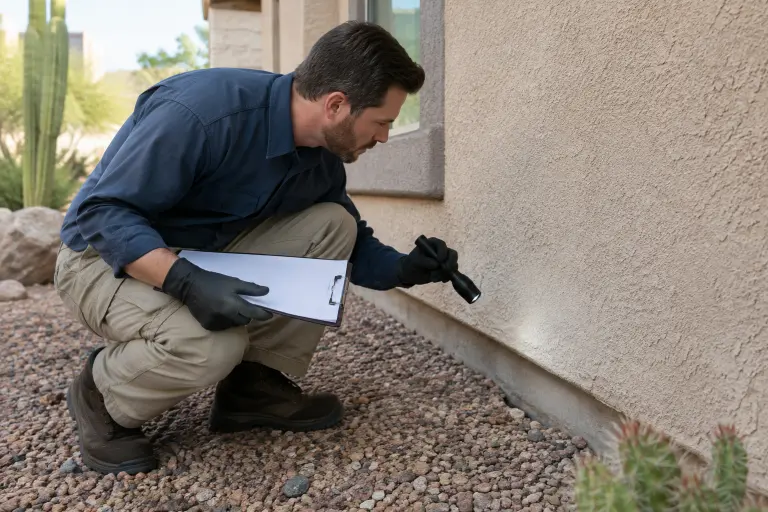
Set aside a few minutes each month for a repeatable inspection. The goal is to find favorable conditions before they become a larger problem.
- Check gaps around doors, windows, vents, pipes, utility lines, and garage doors.
- Look for dripping irrigation, leaking hose bibs, clogged drains, and standing water.
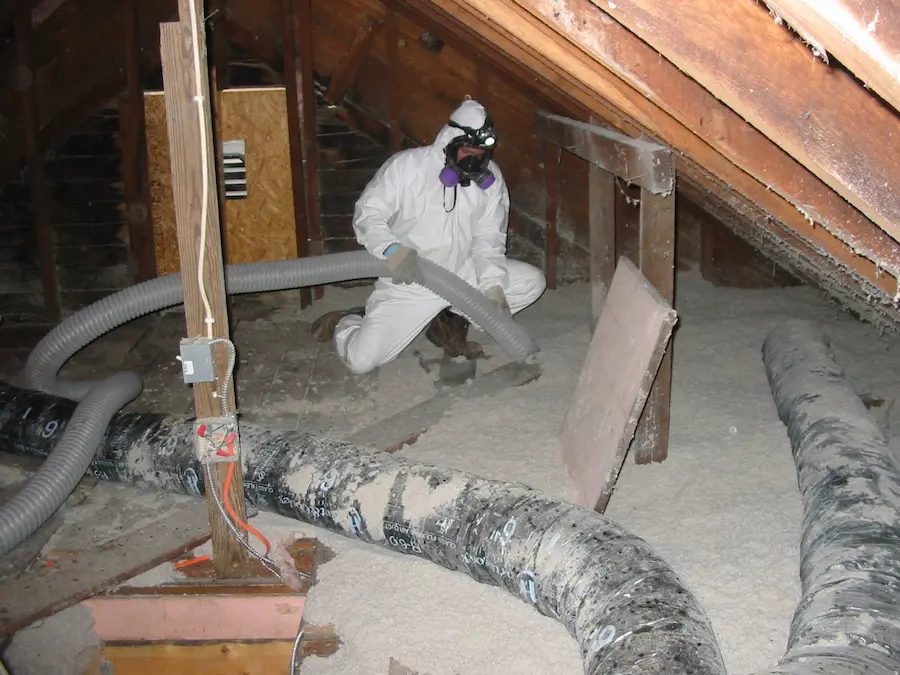
- Inspect garages, patios, sheds, attics, and storage areas for droppings, webs, nests, shed skins, or damaged materials.
- Keep cardboard, firewood, and yard debris away from exterior walls.
- Trim vegetation that touches the roofline or creates a route to the home.
- Record recurring sightings by date, location, weather conditions, and suspected pest type.
Spring: Check for Swarmers, Ants, and Entry Gaps
Spring is a practical time for a complete property review because warmer conditions often increase insect movement. Inspect exterior walls, garage edges, window frames, baseboards, and areas where soil meets the structure. Watch for discarded wings near doors, windows, lights, or foundation edges. Mud tubes or damaged wood near soil-contact areas also warrant prompt professional evaluation.
Repair torn screens, replace worn weather stripping, and review irrigation lines before watering becomes more frequent. Early repairs can reduce the number of access points before seasonal activity increases.
Summer: Reduce Heat, Water, and Shelter Around the Home
During intense heat, water sources become especially important. Check around air-conditioning equipment, outdoor faucets, irrigation valves, and pool areas for leaks. Store pet food in sealed containers, remove outdoor bowls overnight when practical, and use trash containers with tight-fitting lids.
Keep garages and storage rooms organized enough for inspection. Shake out shoes, towels, gloves, and outdoor items before bringing them inside. If exterior lighting attracts many flying insects near entry doors, consider relocating fixtures or limiting unnecessary lighting near the entrance.
Monsoon Season: Prepare Before Heavy Storms
Sudden rain can fill containers, flood outdoor hiding places, and change where pests travel. Before storms arrive, take these steps:
- Clear roof drains, gutters, and yard drains.
- Empty buckets, plant saucers, toys, and other containers that can collect rainwater.
- Check door sweeps, window screens, and garage seals.
- Inspect patios, block walls, and landscape borders for new openings.
- Watch for increased activity from ants, roaches, crickets, mosquitoes, or scorpions.
A single sighting after rain does not always mean there is an infestation. Repeated indoor activity, nesting evidence, property damage, or a pattern in one location deserves closer inspection.
Fall: Remove Rodent and Spider Harborage
As nights grow cooler, reduce the number of protected hiding places near the home. Trim branches back from rooflines, seal openings near attic vents and garage doors, and store seasonal decorations in sealed plastic containers. Remove dead plants, excess leaves, unused materials, and fallen citrus fruit. Before using stored patio furniture or equipment, inspect it carefully for webs, insects, or nesting material.
Winter: Use the Quieter Season for Repairs
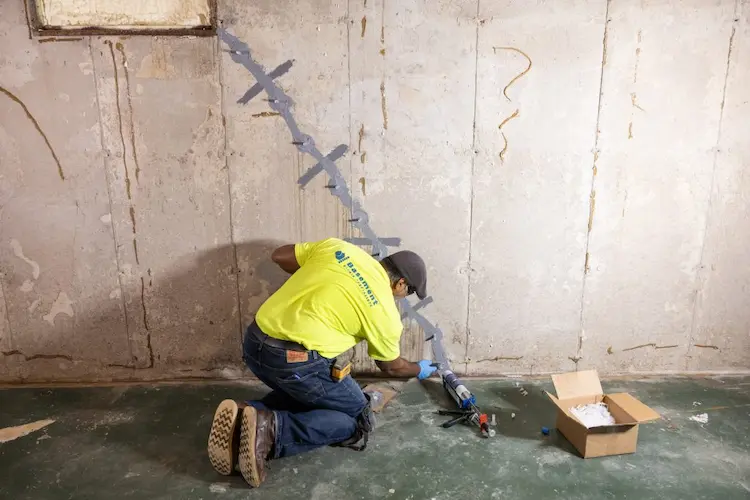
Winter can be a useful maintenance window, even when outdoor activity seems lower. Repair cracks in stucco, masonry, screens, and foundation areas. Check kitchens, bathrooms, laundry rooms, and garages for moisture. Review the year’s pest notes to identify recurring trouble spots, then address the conditions that made those locations attractive to pests.
Use Integrated Pest Management Instead of Guesswork
Integrated pest management principles begin with identifying the pest, monitoring the situation, and deciding whether action is necessary. This approach avoids treating every insect sighting the same way and focuses on the cause of the activity.
- Identify the pest accurately before choosing a response.
- Look for supporting food, water, shelter, and access points.
- Use sanitation, exclusion, moisture control, habitat changes, or trapping when appropriate.
- Use pesticide products only as directed by their labels and keep them away from children and pets.
- Monitor the area afterward to confirm whether the solution worked.
When to Call a Pest Professional
Professional help is appropriate when termites are suspected, scorpions are repeatedly found indoors, rodents leave droppings or gnaw marks, or pest activity returns after cleaning and sealing. Large nests near doors, patios, play areas, or heavily used outdoor spaces also deserve trained assessment. A professional inspection can help distinguish a temporary increase in activity from an issue that requires targeted control.
Common Questions About Arizona Pest Prevention
How Often Should an Arizona Home Be Checked for Pests?
A quick monthly check is a practical starting point. Add more thorough reviews before and after monsoon season, and monitor more closely if the property has a history of termites, rodents, or scorpions.
Does a Clean Home Still Need Pest Prevention?
Yes. Cleanliness reduces available food, but pests can still use irrigation leaks, wall voids, roofline access, exterior clutter, and unsealed openings.
Can Landscaping Increase Pest Activity?
It can. Dense plants, fallen fruit, woodpiles, moisture problems, and materials placed against exterior walls can provide shelter or access near the structure.
One-Page Seasonal Checklist
- Spring: Check for swarmers, ants, worn seals, and irrigation leaks.
- Summer: Reduce water sources, protect food, and inspect shaded storage areas.
- Monsoon season: Remove standing water and inspect drains, screens, doors, and foundation gaps.
- Fall: Trim trees, remove fallen fruit, and seal roofline and attic openings.
- Winter: Repair cracks, inspect stored items, and review pest activity records.
Conclusion
A year-round pest plan does not need to be complicated. Regular inspections, moisture control, thoughtful landscaping, sealed entry points, and timely professional guidance can prevent many pest issues from becoming more disruptive. Watch for seasonal changes, correct the conditions pests rely on, and respond early when evidence points to an ongoing problem.






































































































































































































































































































































































































































































































































































































































































































































































































































































































































































0