

Table of Contents
Key Takeaways
- Bethesda includes walkable urban blocks, established residential streets, and a wide range of housing types.
- The right neighborhood should support everyday routines, not simply meet a price target or square-footage goal.
- Commute patterns, transit access, maintenance needs, outdoor space, and recurring ownership costs should be evaluated together.
- Conditions can change quickly from one block to the next, so in-person visits matter.
- A second visit during a different time of day can reveal traffic, parking, noise, and pedestrian activity that listings cannot show.
Choosing a Bethesda neighborhood is less about finding a single “best” area and more about finding a setting that works for the way you live. Downtown convenience, quiet residential streets, outdoor space, access to transit, and home maintenance can look very different from one part of Bethesda, Maryland, to another.
Buyers reviewing Bethesda MD homes for sale can use Catherine Triantis as a local reference point while comparing options. Her Bethesda real estate page combines active property listings with an overview of area housing, transportation, amenities, and lifestyle considerations, focusing on Bethesda and nearby Montgomery County communities. That neighborhood-level focus can help buyers place an individual home in its broader local context.
Why Neighborhood Choice Matters in Bethesda
Bethesda is an unincorporated community in Montgomery County, just northwest of Washington, D.C. Its proximity to major employment centers, local services, and transportation corridors creates meaningful lifestyle differences within a relatively compact area. A condo near shops and transit may make weekday errands simpler, while a detached home on a leafy street may provide more privacy, storage, and outdoor space.
Neither option is automatically better. The goal is to understand what each setting asks of you in return. A larger yard may mean more upkeep. A central location may mean condominium fees, busier sidewalks, or less private outdoor space. Start by deciding which trade-offs are worthwhile for your household.
Start With a Daily-Lifestyle Checklist
Before touring homes, write down the routines that shape an ordinary week. This helps prevent a beautiful kitchen or dramatic first impression from distracting you from practical needs.
- How long can your regular commute realistically take?
- Do you need Metro, bus, walking, or cycling access?
- How often do you want to walk to restaurants, groceries, parks, or services?
- Would a yard, garage, balcony, elevator, or shared amenity improve daily life?
- Do you need dedicated work-from-home space?
- Could future needs include room for guests, children, relatives, or a changing mobility situation?
Try a simple exercise: identify three non-negotiables and three features you could trade away. This creates a clearer standard for comparing homes that may otherwise feel hard to rank.
Compare Downtown Living With Residential Streets
Downtown Bethesda
Downtown Bethesda can appeal to buyers who prioritize access to dining, retail, services, and public transportation. Condominiums, apartments, townhomes, and mixed-use buildings can reduce exterior maintenance and make it easier to keep errands close to home. The trade-offs may include higher building fees, parking constraints, increased street activity, and less private outdoor space.
Leafier Residential Areas
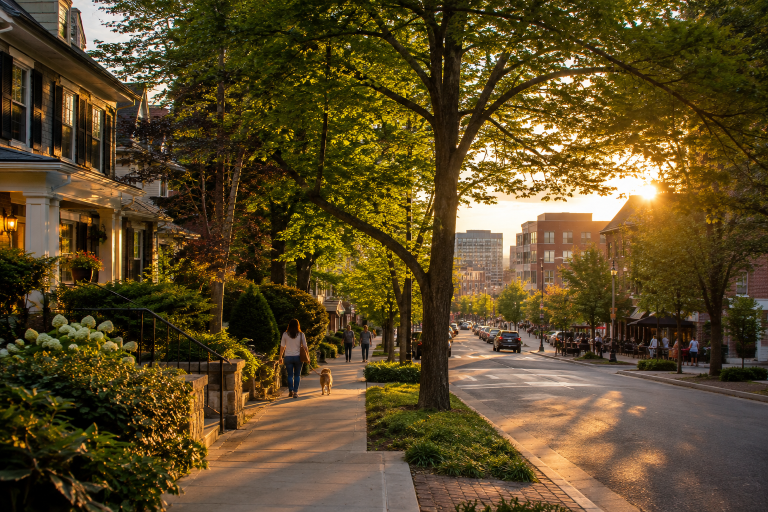
Residential sections of Bethesda often include detached homes, mature trees, varied architectural styles, and streets with a more private feel. These areas can suit buyers seeking additional bedrooms, storage, a yard, or room to adapt the home over time. In exchange, shopping and transit may require a longer walk or a drive, and maintenance responsibilities can be greater.
Match the Home Type to Your Routine
- Condos: Often work well for buyers who prefer shared maintenance, secure access, and potentially useful common amenities.
- Townhomes: Can provide a middle ground, with more private living space than many condos but less exterior responsibility than some detached homes.
- Single-family homes: May offer yards, storage, and flexibility, but buyers should plan for landscaping, repairs, and system replacements.
- Older homes: Can provide character and established locations, but inspections should carefully address major systems, prior renovations, drainage, and moisture history.
- New construction: May offer modern layouts and newer systems, but buyers should still review warranties, lot configuration, nearby development, and the final scope of included features.
Review Commutes and Transportation Before Making a Shortlist
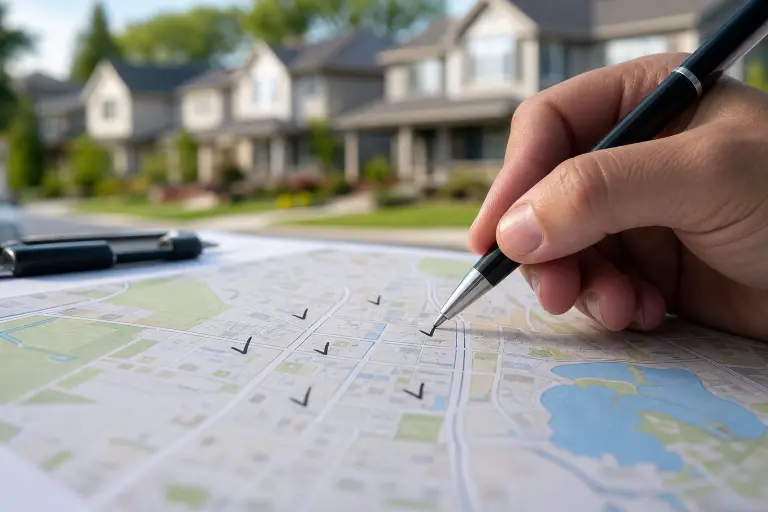
A map can make two places appear equally convenient even when their real-world travel times differ. Test the actual trip to work, school, medical appointments, and recurring errands during the times you expect to travel. Consider Metro and bus options where relevant, as well as garage access, guest parking, permit requirements, and the practicality of walking or cycling.
Also pay attention to the route itself. Road construction, peak-hour congestion, difficult turns, and access to major corridors can affect a routine more than straight-line distance suggests.
Look Beyond Listing Photos
Use every showing as a neighborhood inspection. Visit in the morning and again after work if possible. Walk toward the nearest park, shop, transit stop, or school bus pickup point. Listen for traffic, construction, commercial activity, and aircraft noise. Notice sidewalk condition, lighting, tree coverage, street parking, and drainage around the property.
Ask about planned construction or road projects that could affect traffic, views, or noise. For homes with basements, ask direct questions about water intrusion, sump pumps, drainage improvements, and past moisture issues.
Schools, Parks, and Everyday Services
For households considering public schools, assignments should always be confirmed for the exact address through official sources because boundaries and programs can change. Nearby parks, trails, libraries, recreation facilities, medical offices, and grocery options can matter just as much as interior finishes over the long term. A broader overview of the Bethesda, Maryland, community can also help orient buyers to the area’s location and local setting.
Budget for More Than the Purchase Price
A realistic ownership budget should account for property taxes, insurance, utilities, parking, condo or homeowners association fees, and maintenance. Detached homeowners may also need to plan for tree care, landscaping, roofing work, HVAC service, plumbing, and electrical updates. Condo buyers should review association documents, reserves, rules, and the possibility of future assessments.
Questions to Ask Before Choosing a Neighborhood
- Does the regular commute work at the time it will actually occur?
- Will this home type suit the next five to ten years of likely needs?
- Is the outdoor space useful enough to justify the upkeep?
- Are shops, parks, transit, and services close enough for everyday use?
- Could nearby construction, traffic patterns, or zoning decisions affect the block?
- What expenses could arise after closing?
- Does the area feel comfortable on evenings and weekends?
A Simple Five-Step Comparison Process
- Set priorities: Define your non-negotiables before searching.
- Choose three areas: Compare neighborhoods that offer different routines and housing styles.
- Track costs: Review price, taxes, fees, commute time, and anticipated maintenance.
- Visit more than once: Observe each area at different times of day.
- Review evidence: Check property disclosures, public records, permits, association documents, and recent comparable sales.
Conclusion
Choosing the right Bethesda neighborhood means finding a balance between daily convenience, housing style, transportation, and long-term ownership costs. Compare commute patterns, access to parks and essential services, maintenance responsibilities, and the character of each street before focusing on a particular home. Visiting finalist areas at different times can reveal practical details that listing photos and online maps often miss. With clear priorities and careful research, you can find a Bethesda home that fits your routine today and continues to serve your needs in the years ahead.




































































































































































































































































































































































































































































































































































































































































































































































































































































































































































































0