

Table of Contents
Key Takeaways
- A low premium does not necessarily mean a policy provides enough protection.
- Coverage limits, deductibles, exclusions, and optional benefits matter as much as the final price.
- Liability, collision, comprehensive, medical, rental, and uninsured motorist coverage serve different purposes.
- State insurance requirements vary, so drivers should verify the rules in the state where a vehicle is registered.
- A yearly review can help keep a policy aligned with daily driving habits and financial circumstances.
Car insurance deserves a closer look at least once a year, especially before renewal. A policy that worked when a vehicle was newer, a commute was longer, or fewer people lived in the household may no longer fit. Carefully reviewing auto insurance can help drivers understand what they are paying for and where they may have unexpected financial exposure.
The goal of a policy checkup is not simply to find the lowest premium. It is to compare protection, deductibles, exclusions, and available options in a way that matches a vehicle’s value, the driver’s budget, and the vehicle’s actual use.
Why a Yearly Car Insurance Checkup Makes Sense
Insurance needs can change after buying a vehicle, moving, getting married, retiring, changing jobs, or adding a driver to the household. A change in annual mileage, parking location, commute, or vehicle use may also affect which coverage choices make sense. Begin with the declarations page, which summarizes the listed vehicles, drivers, limits, deductibles, endorsements, and premium.
Step One: Gather the Details Insurers Use
Before reviewing a renewal offer or requesting quotes, collect the details needed for an accurate comparison. Have driver license information, the vehicle identification number, make, model, year, current mileage, estimated annual mileage, recent claims or violations, current limits, and deductibles available. Also note whether the vehicle is on loan or leased, as financing agreements often require collision and comprehensive coverage.
Drivers who own a residence may also want to review their home insurance at the same time, since major changes such as a move, marriage, or renovation can affect multiple household policies. Keeping vehicle and household details up to date helps prevent misunderstandings when a claim occurs.
Step Two: Check the Core Coverage Types
Liability Coverage
Liability coverage generally helps pay for injuries or property damage a driver causes to others in a covered accident. States set minimum financial responsibility requirements, but the required limits may be lower than the cost of a serious injury claim or extensive vehicle damage. When comparing policies, look at the bodily injury and property damage limits rather than relying only on the minimum amount permitted by law.
Collision and Comprehensive Coverage
Collision coverage may help repair or replace the insured vehicle after a covered crash, subject to the deductible. Comprehensive coverage, sometimes called other-than-collision coverage, may apply to events such as theft, fire, hail, vandalism, falling objects, flooding, or an animal strike. These coverages are different, and both may be required by a lender or leasing company while a loan or lease remains active.
Uninsured Motorist and Medical Coverage
Uninsured or underinsured motorist coverage may help when an at-fault driver has no insurance or insufficient insurance. Its availability and required features vary by state, so ask whether it addresses bodily injury, property damage, hit-and-run events, or some combination. Medical payments coverage, or personal injury protection, may help cover medical expenses after a crash, but the rules and coordination with health insurance vary by policy and state.
Rental Reimbursement and Roadside Assistance
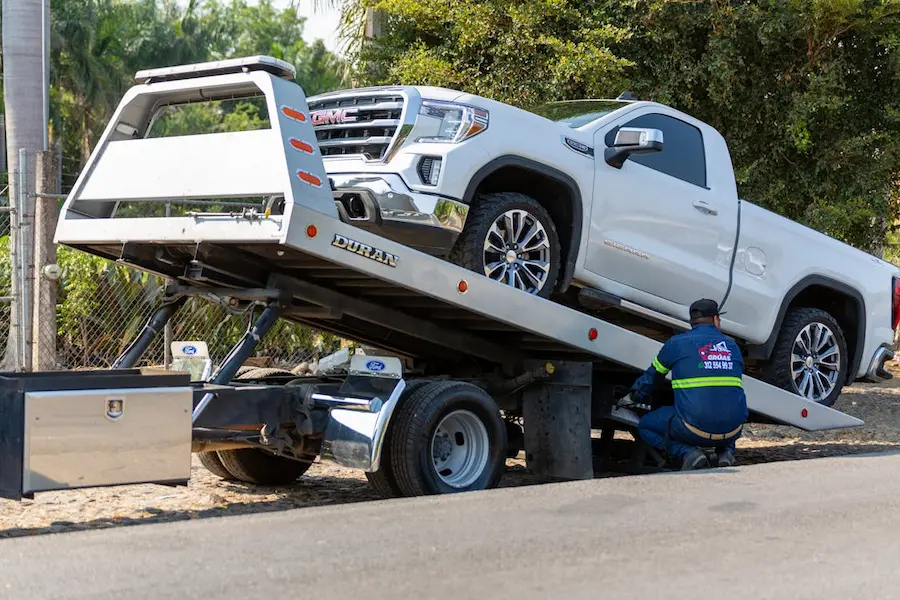
Rental reimbursement can help pay for temporary transportation while a covered vehicle is repaired or after a covered loss, but daily and total limits often apply. Roadside assistance may include towing, jump-starts, tire changes, fuel delivery, or lockout help. Review service limits, towing-distance caps, and whether a waiting period applies before relying on either option.
Step Three: Compare Deductibles With Real-Life Savings
A deductible is the amount the policyholder pays before certain covered physical-damage claims are paid. For example, if a covered repair costs $4,000 and the collision deductible is $500, the insurer would generally pay $3,500. With a $1,000 deductible, the insurer would generally pay $3,000. Higher deductibles can reduce premiums, but the savings should be weighed against the ability to pay that amount promptly after a loss.
Check collision and comprehensive deductibles separately because they may not match. Avoid selecting a deductible that would force borrowing, delay necessary repairs, or create a financial emergency. The best choice is usually one that balances recurring premium cost with a manageable out-of-pocket amount.
Step Four: Look for Policy Gaps and Exclusions
Read policy exclusions before a problem arises. Ask whether the vehicle is covered for business use, rideshare driving, food delivery, or other commercial activity. Confirm that regular household drivers are disclosed and that custom parts, upgraded audio equipment, or other modifications are addressed if needed. It is also useful to ask about coverage for a temporary replacement vehicle, personal belongings inside the car, and travel outside the home state.
Step Five: Compare Quotes on Equal Terms
A quote is only meaningful when the policies being compared have the same limits, deductibles, listed drivers, vehicles, and optional coverages. The Texas Department of Insurance recommends that shoppers consider liability limits, deductibles, discounts, exclusions, and company complaint records when evaluating how to shop smart for auto insurance.
- Set the same liability limits for every quote.
- Use matching collision and comprehensive deductibles.
- Include or remove the same optional benefits.
- Provide accurate mileage, address, vehicle-use, and driving-history information.
- Ask whether payment-plan or installment fees apply.
- Consider the insurer’s licensing status, complaint history, financial stability, and claims process.
Step Six: Ask About Discounts Without Chasing Every Discount
Possible discounts may be available for safe driving, low mileage, defensive driving courses, good students, vehicle safety features, anti-theft devices, automatic payments, paperless billing, multiple vehicles, or multiple policies. Eligibility and savings vary by insurer and location. A discount is useful when it reduces the cost of suitable protection, not when it encourages a driver to remove coverage that could be important after a loss.
Step Seven: Review the Policy After Major Changes
Do not wait for the annual renewal if a major change happens first. Update a policy after buying or selling a vehicle, moving, adding a teen driver, changing a commute, beginning remote work, paying off a loan, retiring, or placing a vehicle in storage. Accurate information is essential because vehicle use, garaging address, ownership, and household drivers can affect coverage and pricing.
Common Mistakes to Avoid
- Choosing a policy based only on the monthly payment.
- Leaving an outdated address, mileage estimate, or household driver on the policy.
- Assuming every person who regularly drives the vehicle is automatically covered.
- Dropping collision or comprehensive coverage without considering the vehicle’s value and replacement needs.
- Ignoring uninsured or underinsured motorist coverage without understanding how it works locally.
- Selecting a deductible that is difficult to pay from available savings.
- Waiting until after a crash to read exclusions and service limits.
Questions to Ask Before Renewing
- Why did the premium change?
- Are the liability limits still appropriate for my financial situation?
- Could a different deductible produce worthwhile savings?
- Have my annual mileage, commute, or vehicle use changed?
- Are all vehicles and household drivers listed correctly?
- Do I still need rental reimbursement or roadside assistance?
- Which discounts am I eligible for now?
- What exclusions could affect how I use this vehicle?
Conclusion
A car insurance checkup can be completed without spending an entire afternoon. Reviewing coverage limits, deductibles, vehicle use, exclusions, and available discounts can reveal issues before they become expensive. Comparing policies on equal terms gives drivers a clearer basis for choosing protection that fits both their budget and their everyday responsibilities.


















































































































































































































































































































































































































































































































































































































































































































































































































































































































































































































0