
Table of Contents
Key Takeaways
- Gas, hybrid, and electric vehicles each fit different driving habits.
- The sticker price is only one part of the ownership cost.
- Home or workplace charging is a major consideration for EV buyers.
- Hybrids can reduce fuel use without changing everyday routines.
- Weather, road trips, towing, cargo, and annual mileage should guide the decision.
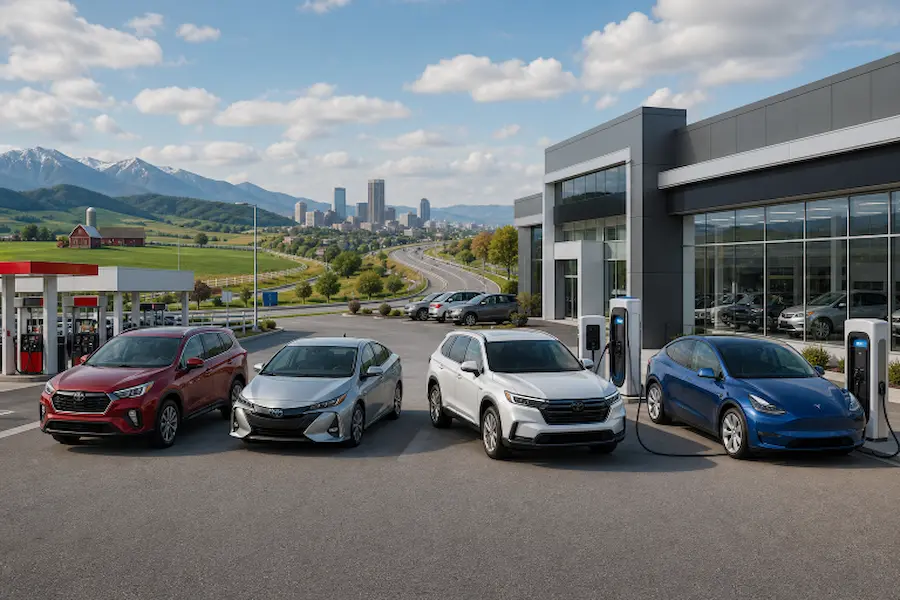
Choosing a new vehicle is no longer simply a question of sedan, SUV, or truck. Buyers now need to consider how a gas engine, hybrid system, plug-in hybrid, or fully electric powertrain will fit their budget, commute, parking situation, and travel plans. For local inventory and vehicle options, Learn More. There is no single best answer for every household. A driver who travels long distances through rural areas may need something different from a commuter with reliable home charging. At the same time, a family that tows a boat has different priorities than someone navigating daily stop-and-go traffic.
Why Powertrain Choice Matters
Vehicle choices remain mixed, even as more electrified models reach the market. Recent first-quarter registration data shows that gas vehicles still account for most new registrations, hybrids have gained share, and EV demand varies by buyer and location. That is a useful reminder that technology trends should inform a purchase, not make it for you.
Gas-Powered Vehicles: A Familiar Starting Point
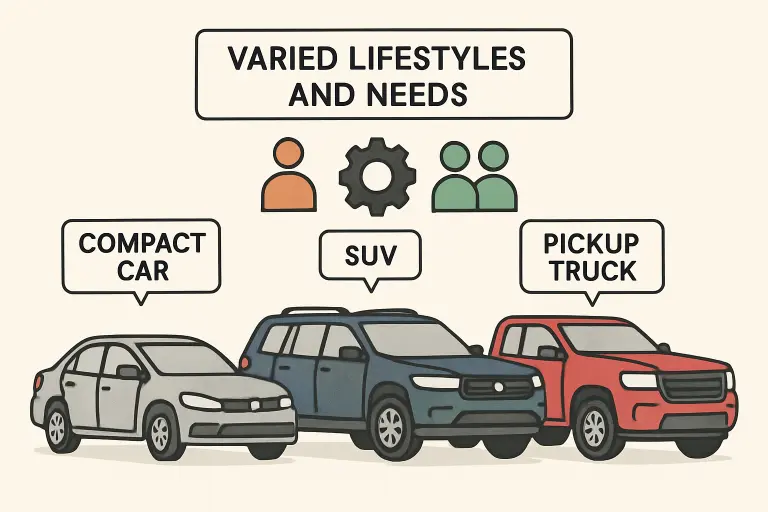
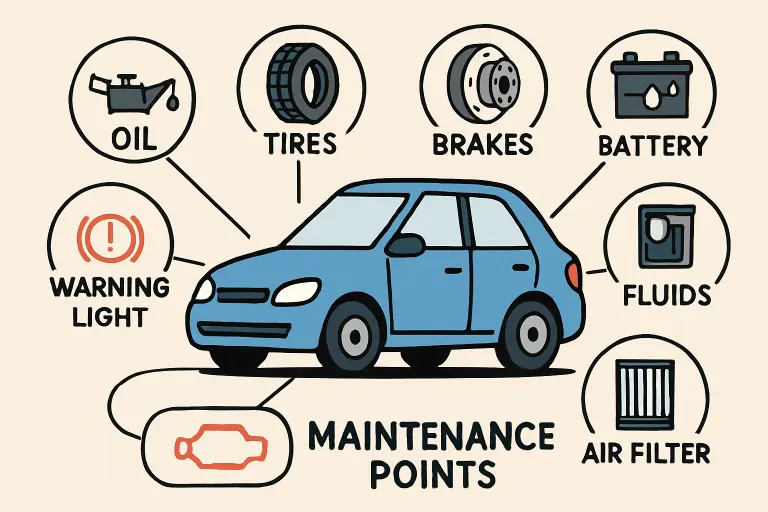
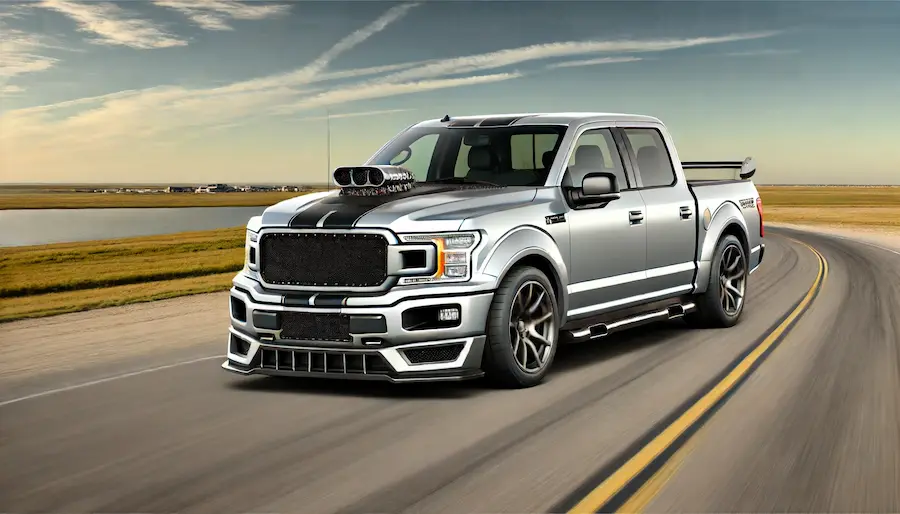
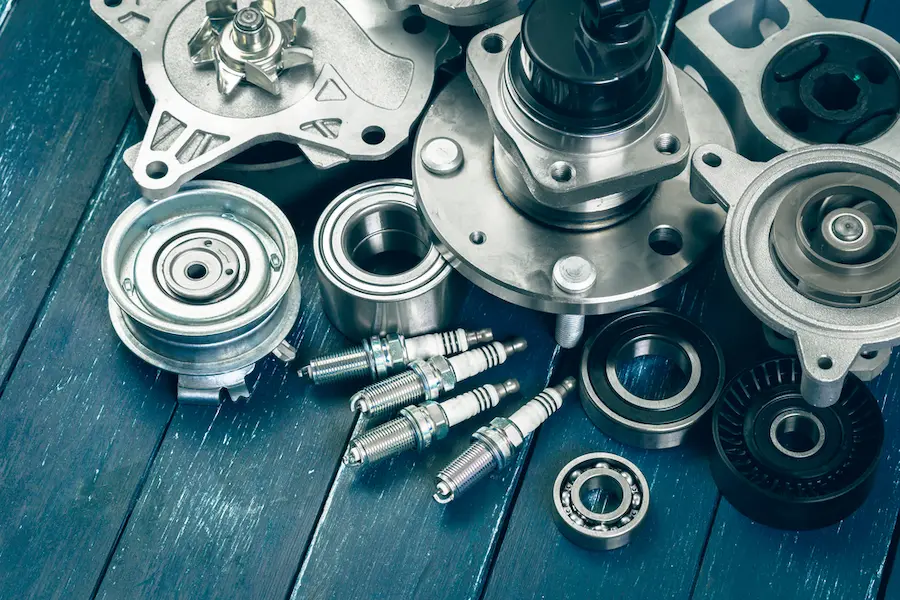
Gas-powered vehicles remain practical because they are widely available in almost every size and body style, from compact cars to heavy-duty trucks. They usually offer quick refueling, easy long-distance travel, and a lower upfront price than a comparable hybrid or EV. They can be especially appealing for drivers who travel frequently, live far from charging stations, or need specialized towing and hauling capability. The tradeoff is ongoing fuel expense, routine engine maintenance, and tailpipe emissions. Oil changes, filters, spark plugs, belts, and other engine-related services can add up over several years. A gas vehicle can still be the right choice, but it is worth estimating fuel spending before focusing only on the monthly payment.
Hybrids: Fuel Savings Without A New Routine
A standard hybrid combines a gasoline engine with an electric motor and battery. It generally recharges its battery through regenerative braking and the engine, so there is no need to plug it in. This setup can be especially helpful in city driving, where frequent braking helps recapture energy that would otherwise be lost. A plug-in hybrid, often called a PHEV, has a larger battery and can drive a limited distance on electricity before operating more like a conventional hybrid. It can make sense for drivers with short daily trips and reliable charging, while still providing gasoline as a backup for longer trips. When comparing the tradeoffs between gas and hybrid models, consider whether the expected fuel savings will justify the higher purchase price.
Electric Vehicles: A Strong Fit For The Right Routine
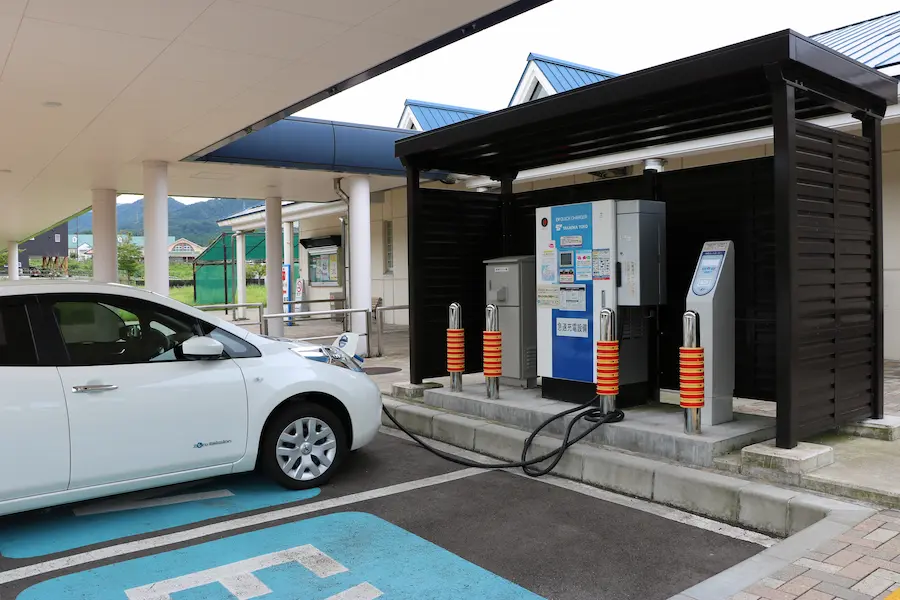
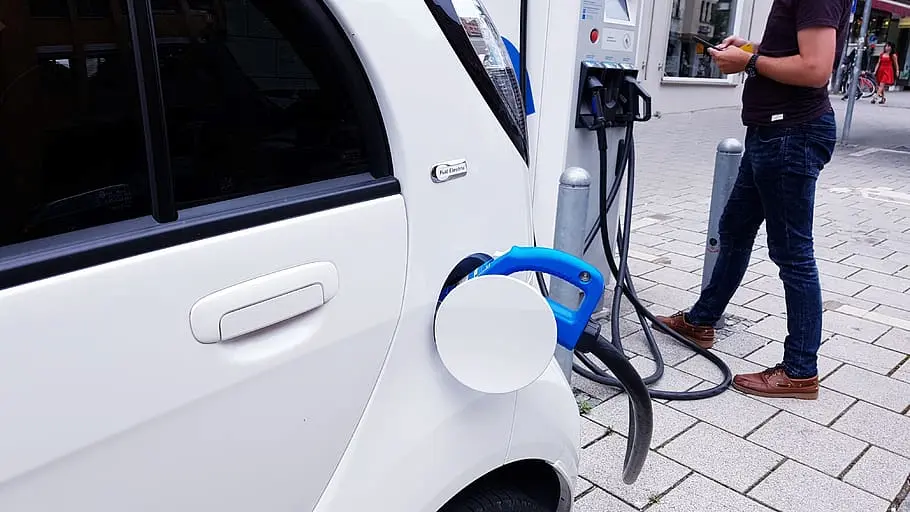
Fully electric vehicles use a battery and an electric motor instead of a gasoline engine. They are quiet and responsive, with fewer routine engine-related service needs. For an owner who charges at home overnight, an EV can be very convenient because each morning can begin with a full or nearly full battery. Still, EV ownership requires planning. Public charging availability, charging speed, winter range changes, apartment parking, insurance rates, tire replacement costs, battery warranty terms, and repair access can all affect the experience. An EV is often strongest when its real-world range comfortably exceeds normal daily driving needs, and charging is dependable.
Compare Total Cost, Not Just Sticker Price
Build a simple ownership estimate for each vehicle under consideration. Start with the purchase price, taxes, financing cost, expected trade-in value, and insurance quote for the exact trim. Then estimate yearly gasoline or electricity use, scheduled maintenance, tires, brakes, registration, and likely repair costs after warranty coverage ends.
A Quick Ownership Comparison
- Gas: Often lower upfront cost, easy refueling, higher fuel and engine-service needs.
- Hybrid: Usually moderate purchase cost, lower fuel use, no charging requirement for standard hybrids.
- Plug-in hybrid: Higher complexity, useful electric-only driving, gasoline flexibility for trips.
- EV: Potentially low energy and routine service costs, but charging access and model-specific ownership expenses matter greatly.
Match The Vehicle To Daily Driving
Short commutes may suit a hybrid, plug-in hybrid, or EV, especially when charging is available at home or work. Long-distance travelers may prefer the quick refueling of gas vehicles and standard hybrids. Heavy traffic often favors hybrid systems, while towing requires close attention to rated towing capacity, payload, battery range, and charging locations along the route. Do not let fuel type overshadow everyday usability. Check rear-seat room, cargo space, child-seat access, ride comfort, visibility, climate-control performance, and the ability to carry the people and equipment your household uses most often.
How Weather And Winter Roads Change The Calculation
Cold temperatures can reduce efficiency in every vehicle and noticeably reduce EV range because the battery and cabin require energy to stay warm. However, winter capability depends on more than the powertrain. Good winter tires, adequate ground clearance, all-wheel drive when appropriate, traction control, and an emergency kit often matter more than whether the vehicle uses gasoline or electricity.
New Or Used: Does The Choice Change?
Used gas vehicles can provide a lower entry price, but buyers should review service records, accident history, tires, brakes, and inspection results. With a used hybrid or EV, ask about the remaining battery warranty coverage and, when available, request battery health information. Compare condition, equipment, mileage, and expected ownership cost rather than assuming a newer model year is automatically the better value.
Questions To Ask Before Buying
- How many miles do you drive in a typical week?
- Can you reliably charge at home, work, or nearby?
- How often do you take long road trips?
- Will you tow, haul, or regularly carry bulky cargo?
- What total ownership cost fits your budget?
- How long do you expect to keep the vehicle?
Test-Drive Checklist And Common Mistakes
Drive the vehicle on city streets and faster roads. Check seating comfort, visibility, cargo access, braking feel, controls, and unusual noises. For hybrids and EVs, ask how drive modes, charging controls, energy displays, warranties, and maintenance schedules work. Avoid choosing solely by monthly payment, assuming all EVs or hybrids have the same range and costs, or skipping an insurance quote before signing. Most importantly, do not buy an EV without a workable charging plan or a used vehicle without an independent inspection.
Final Decision Framework
Choose gas when low upfront cost, simple refueling, and long-distance flexibility are the priorities. Choose a hybrid when fuel savings matter, but charging access is limited or unpredictable. Choose a plug-in hybrid when regular electric driving is useful for shorter trips, but gasoline backup remains important for longer travel. Choose an EV when home charging, daily range, driving habits, weather conditions, and overall ownership costs align with your needs. Also consider insurance, maintenance, battery coverage, road-trip requirements, and available charging infrastructure before deciding. Each powertrain offers different advantages, so there is no single option that works best for every driver. The best vehicle is the one that fits your real routine, budget, and travel needs without creating unnecessary complications or expenses.









































































































































































































































































































































































































































































































































































































































































































































































































































































































































































































0