
A foundation crack may need more than a surface coating to keep water out or restore strength. Sealants differ in flexibility, bonding ability, curing time, and how well they perform in wet concrete. Understanding these materials helps property owners ask better questions when comparing foundation crack repair near me.
Table of Contents
1. Polyurethane Foam Reaches Deep Into Active Leaks
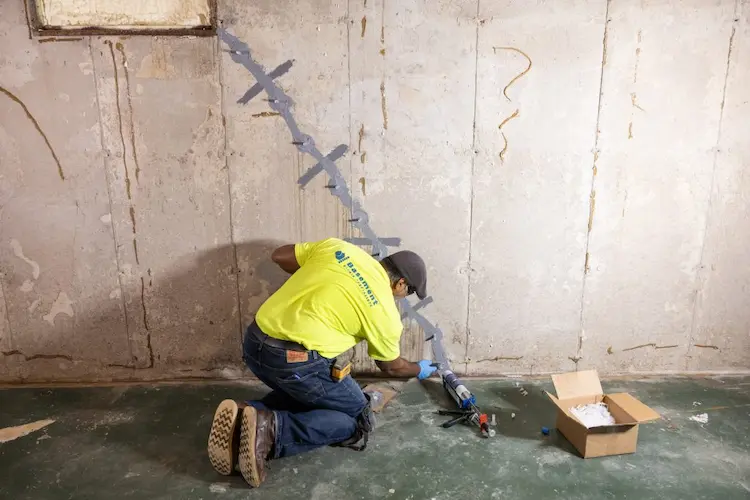
Polyurethane foam works well for cracks that allow water to enter through poured concrete walls. Moisture triggers the resin to expand, helping it move through irregular channels that may extend far beyond the visible opening.
Expansion gives the cured material enough flexibility to handle slight seasonal movement. Contractors often inject it through ports placed along the crack, starting at the lowest point and moving upward as the foam fills the space.
Anyone searching for foundation repair near me should ask whether the product is rated for active water intrusion. Different formulas produce different expansion levels, so installers must control pressure carefully to avoid incomplete filling or excessive material buildup.
2. Structural Epoxy Bonds Stable Concrete Back Together
Epoxy creates a hard, rigid bond between separated concrete surfaces. Its strength makes it suitable for dry, stable cracks where the goal involves restoring continuity rather than allowing continued movement.
Surface preparation strongly affects the finished repair. Dust, loose concrete, paint, oil, and moisture can prevent proper adhesion, which is why technicians clean the opening and seal injection ports before introducing the resin.
Unlike flexible foam, cured epoxy does not stretch well if the crack continues to shift. A foundation specialist near me should evaluate settlement, wall movement, and soil pressure before deciding whether structural bonding fits the damage.
3. Hydraulic Cement Stops Water Through Larger Openings
Hydraulic cement begins setting quickly after workers mix it with water. The material expands slightly as it cures, helping it grip the sides of larger cracks, holes, and gaps around pipe penetrations.
Fast curing makes this product useful where water needs to be slowed before another waterproofing step can begin. Installers commonly press it into prepared openings after removing weak concrete and shaping the edges to hold the patch securely.
Still, hydraulic cement remains rigid once hardened. Continued foundation movement may cause the repaired area to separate or crack nearby, so foundation repair contractors often use it as part of a broader drainage or stabilization plan rather than as a universal fix.
4. Flexible Elastomeric Sealant Handles Minor Movement
Elastomeric sealants stay flexible after curing and can stretch as narrow cracks open or close slightly. Their rubber-like consistency makes them useful at joints, small exterior gaps, and transitions between materials that expand at different rates.
Application usually involves cleaning the crack, inserting backing material where needed, and shaping the sealant so water runs away from the opening. Correct depth matters because a bead that is too thin may tear, while an overly thick application may cure unevenly.
Exterior weather exposure also affects product selection. Ultraviolet light, temperature changes, rain, and soil contact require a sealant designed for the exact location rather than a general-purpose household caulk.
5. Polyurea Coatings Create a Fast-Curing Barrier
Polyurea forms a durable membrane that cures much faster than many traditional coatings. Professionals may spray or apply it over prepared concrete to protect repaired cracks and reduce water penetration across a wider surface.
Rapid curing allows work to move forward with less downtime, although the speed leaves little room for application errors. Technicians need properly calibrated equipment, clean surfaces, and controlled thickness to create an even bond.
Because polyurea can bridge small openings, it may provide added protection after individual cracks receive injection or patching. Owners looking for foundation crack repair near me should confirm whether the coating addresses the actual leak path or merely covers a wall that still faces outside water pressure.
6. Silicone and Hybrid Sealants Protect Exterior Joints
Silicone-based sealants resist rain, temperature swings, and ultraviolet exposure, making them useful around windows, utility penetrations, trim joints, and other exterior openings near the foundation. Hybrid products may combine silicone-like weather resistance with stronger adhesion to concrete and masonry.
Proper joint design helps these materials last. Backer rod can control sealant depth, prevent three-sided adhesion, and give the cured bead enough room to stretch without pulling away from the surface.
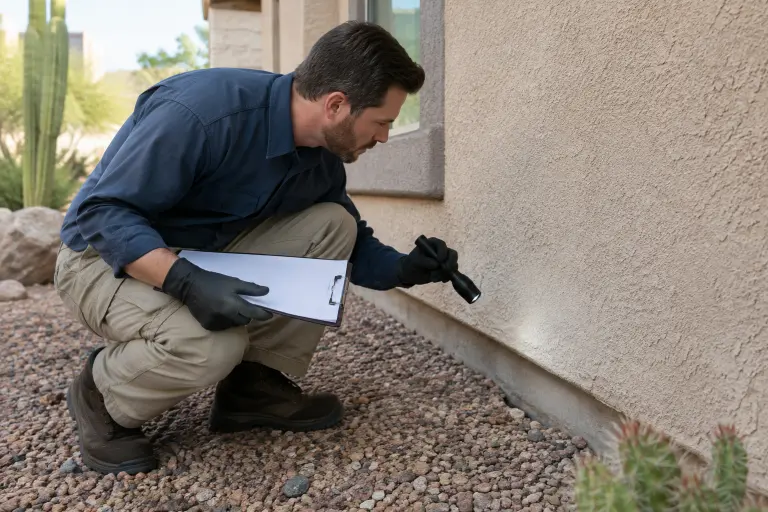
Kennedy and Sons evaluates crack width, moisture conditions, structural movement, drainage, and surrounding materials before recommending a sealing method. Their team can determine whether a property needs flexible injection resin, structural epoxy, cement-based patching, exterior joint sealant, or a repair plan that combines sealing with foundation stabilization and water control.




























































































































































































































































































































































































































































































































































































































































































































































































































































































































0