
Table of Contents
Key Takeaways
- Lakefront, lake-access, and inland homes around Lake Conroe can deliver very different ownership experiences.
- The purchase price is only part of the equation. Taxes, insurance, utilities, HOA fees, maintenance, and access rights matter just as much.
- Flood exposure, drainage, shoreline responsibility, and dock rules should be reviewed before an offer is written.
- The best choice fits the buyer’s routine, recreational goals, and plans for resale.
Buying near Lake Conroe is not a standard home search. A beautiful view, a nearby marina, or a large lot may be important, but each property also comes with practical details that can affect its true cost and everyday usefulness. Lake Conroe Area real estate agents Witherspoon Realty Team provides home-search, valuation, neighborhood, and local real estate resources for buyers and sellers across the Greater Houston area, including Willis, Conroe, Montgomery, and The Woodlands. Witherspoon Realty Team’s local market experience and focus on personalized real estate guidance can be especially useful when comparing waterfront features, neighborhood amenities, and the property-level details that do not always appear in a listing.
Two homes located only a few miles apart may have very different tax rates, utility setups, HOA requirements, flood considerations, commute times, and maintenance needs. Before narrowing the search, buyers should decide whether direct water access is essential or simply a nice-to-have feature.
Compare The Main Property Types
Lakefront Homes
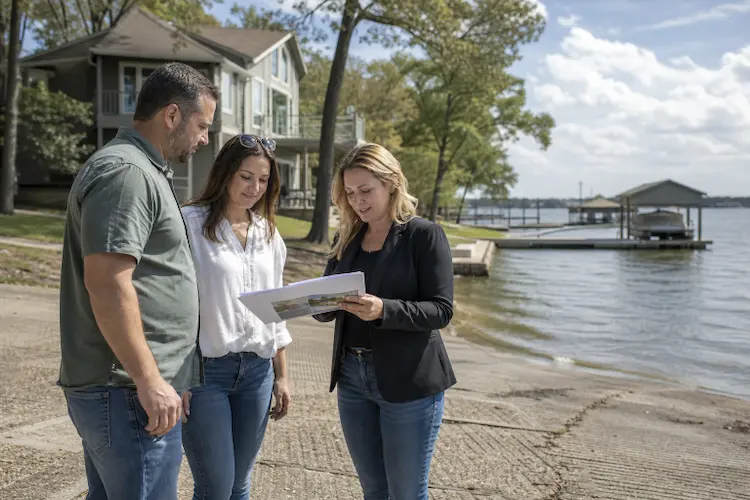
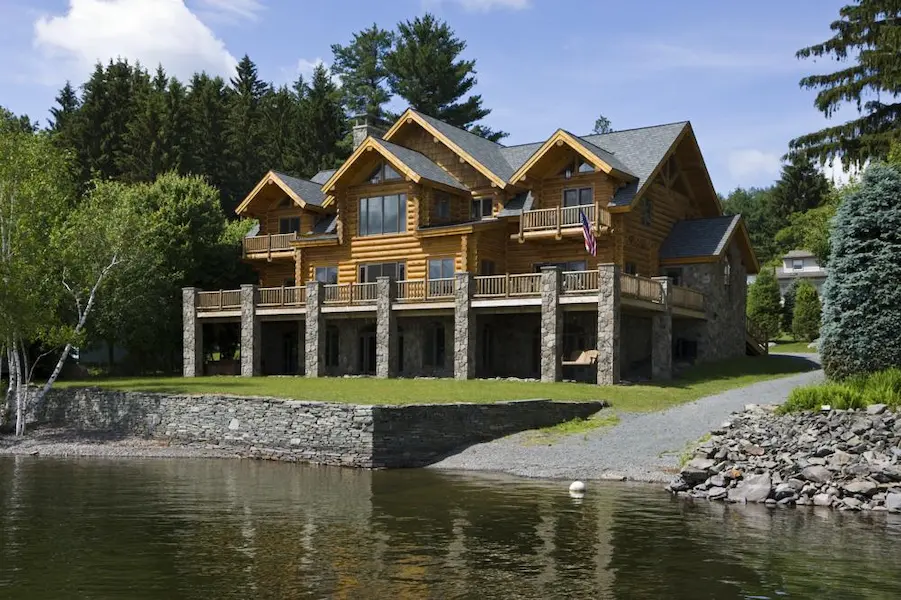
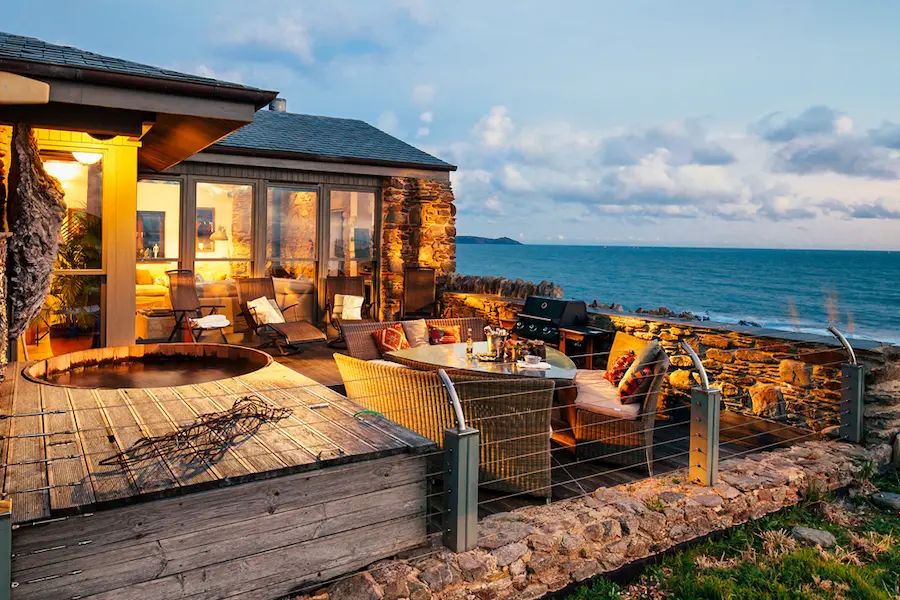
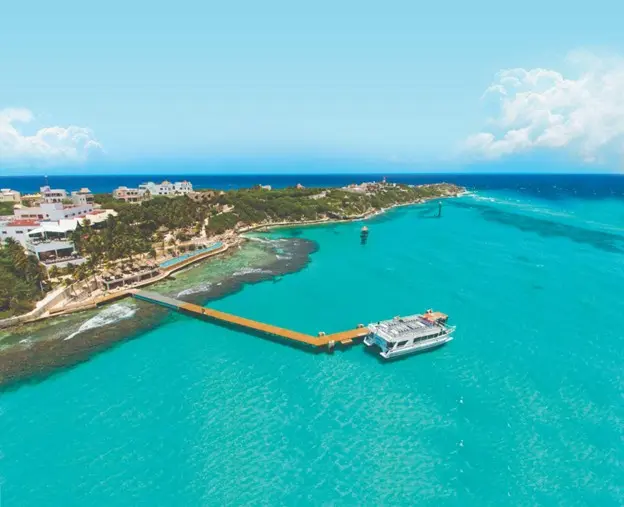
Lakefront homes typically offer direct views, easy access to boating, and the possibility of a private dock, boat lift, or shoreline seating area. Their appeal can support demand, but waterfront supply is limited, and the higher purchase price may be only the beginning. Buyers may also need to budget for dock repairs, seawall work, erosion control, landscaping, tree care, and specialized insurance considerations.
Ask whether the shoreline is privately owned, whether the dock transfers with the home, and whether easements affect access or future improvements. A home on open water may offer expansive views, but more boat traffic and wave exposure. A protected cove may feel quieter, though it can provide a different boating experience.
Lake-Access Homes
Lake-access homes can provide a middle ground between waterfront living and inland pricing. Access may come through a neighborhood boat ramp, shared shoreline, private marina, or community boat slips. This arrangement can work well for buyers who want regular lake time without taking on direct shoreline maintenance.
Review HOA documents closely. Confirm marina fees, boat and trailer parking rules, guest access, launch procedures, quiet hours, and whether access rights are deeded or subject to association policies that may change.
Inland Homes Near Lake Conroe
Inland homes may offer newer construction, larger yards, lower prices, or fewer water-related responsibilities. They can still provide convenient access to restaurants, parks, marinas, and public boat launches. For buyers who enjoy the lake on weekends but do not need a dock outside the back door, inland property can provide a more flexible long-term budget.
Build A Realistic Lake Home Budget
A monthly mortgage payment does not show the complete cost of ownership. Compare each candidate’s home using the same full-budget process:
- Start with the purchase price. Compare similar homes by condition, lot size, location, and water access, not just square footage.
- Add property taxes. Review county, city, school district, and special-district taxes. The Texas property tax system guide explains how local taxing entities and appraisals affect the bill.
- Request insurance quotes early. Ask about homeowners, flood, wind, liability, and exclusions related to water or detached structures.
- Include HOA and marina expenses. Consider annual dues, transfer fees, road fees, marina charges, and possible special assessments.
- Maintenance plan. Account for roof and HVAC service, drainage improvements, lawn care, tree removal, boat storage, and waterfront structures where applicable.
- Keep a repair reserve. Older homes, docks, seawalls, septic systems, and private roads can require a larger cash cushion.
Check Flood Exposure And Insurance Early
Flood risk should be reviewed based on the exact address, not on a neighborhood label or a seller’s general description. Use the FEMA Flood Map Service Center to review official flood-hazard mapping, then discuss the findings with an insurance professional. Also request seller disclosures, ask about prior water intrusion or claims, and inspect drainage patterns around the lot.
A property outside a mapped high-risk area can still experience stormwater, poor grading, blocked drainage, or localized ponding. Obtain insurance estimates during the option period, because a high premium or limited coverage can affect affordability and future resale appeal.
Review Utilities, Drainage, And Infrastructure
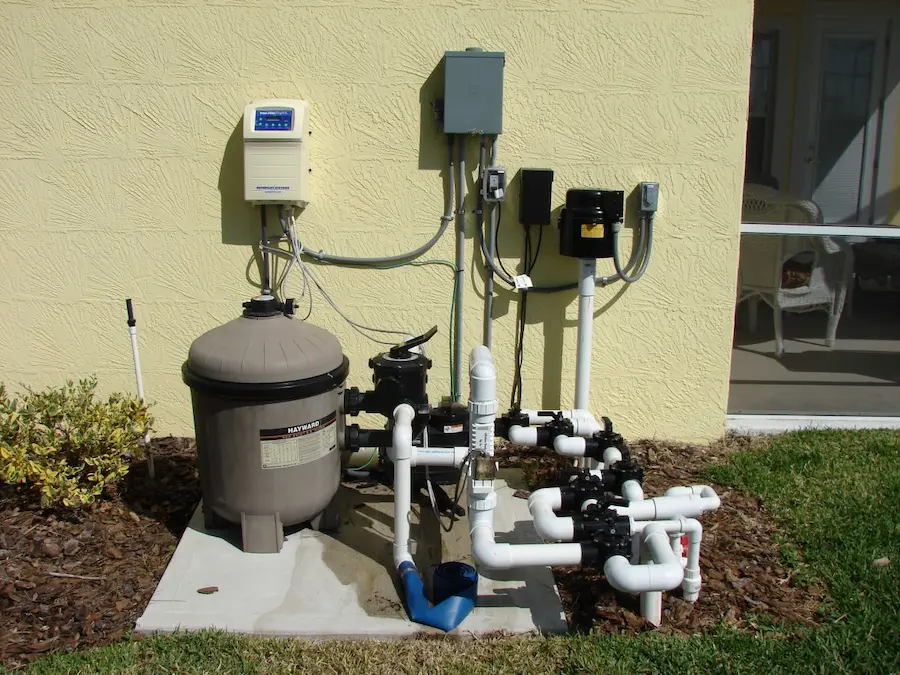
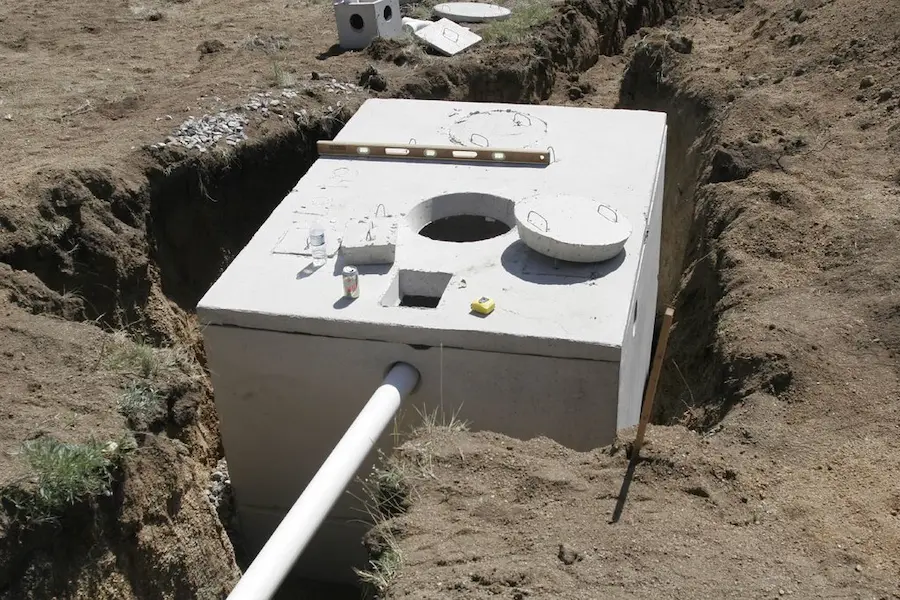
Confirm whether the property has public water and sewer, a private well, a septic system, or a combination of services. When applicable, request well records, water-quality tests, septic permits, pumping history, and recent inspection reports. Septic placement and drainage easements can limit the future location of a pool, workshop, guest house, or home addition.
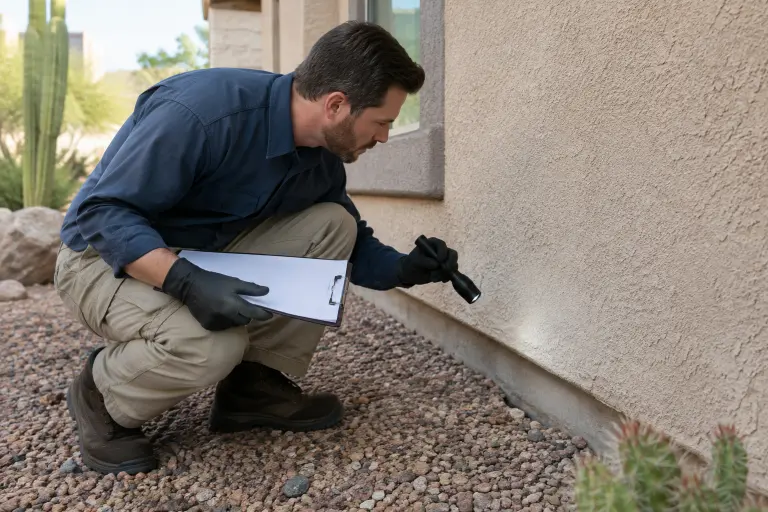
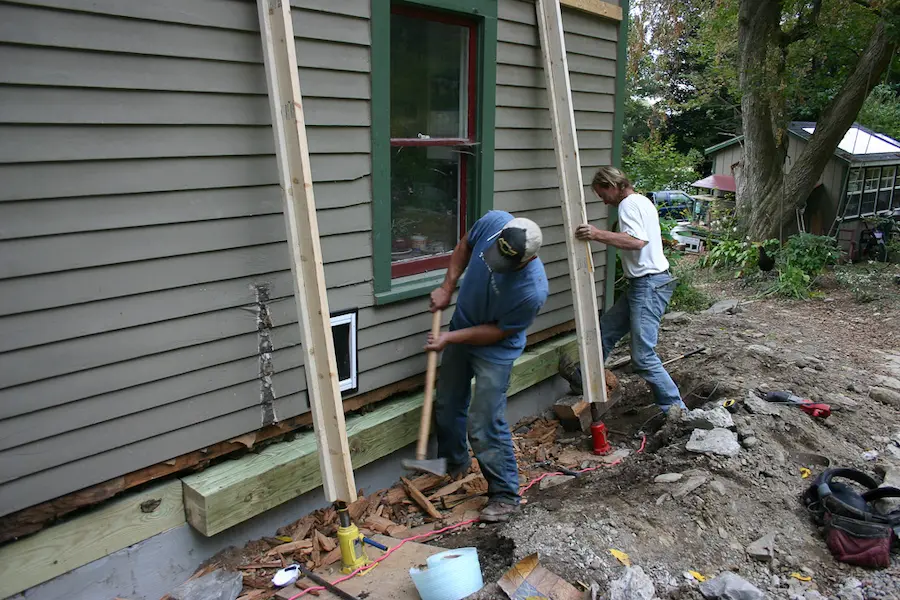
During showings and inspections, look for standing water, uneven grading, foundation movement, drainage swales, patched concrete, or signs of prior repairs. Also, determine who maintains private roads, shared driveways, culverts, drainage areas, and neighborhood infrastructure.
Study Shoreline, Dock, And Lake-Use Rules
Never assume that every visible waterfront improvement belongs to the home. Confirm ownership and maintenance responsibility for docks, lifts, seawalls, boat ramps, and shared shoreline areas. Review available permits and repair records, then ask about boat-size limits, storage restrictions, marina waitlists, and neighborhood policies.
Online photos can make two waterfront homes look similar. An in-person visit reveals whether the property is on open water, a canal, a cove, or an inlet, as well as the slope to the water, the condition of the shoreline, and the practical ease of launching a boat.
Match The Home To Daily Life
For Full-Time Residents
Test the commute to work, schools, healthcare, groceries, and frequent destinations in Conroe, Montgomery, The Woodlands, or Houston. Check internet options and visit at different times of day to understand traffic, noise, and normal neighborhood activity.
For Weekend And Second-Home Buyers
Prioritize low-maintenance features, security, lock-and-leave convenience, guest parking, outdoor living space, and nearby boat storage. Confirm whether short-term rentals are permitted if rental flexibility is part of the plan.
For Retirees And Downsizers
Consider one-story layouts, manageable yards, access to medical care, and long-term mobility. Stairs, steep lots, docks, and long rural drives may feel manageable today, but less convenient later.
Use A Simple Home-Comparison Scorecard
- Location: Does the area fit your commute, preferred pace, and daily routine?
- Water access: Is it private, shared, deeded, or limited by HOA rules?
- Total cost: Do taxes, insurance, dues, and expected maintenance fit the budget?
- Condition: Are the roof, foundation, HVAC, drainage, dock, and seawall in sound condition?
- Utilities: Are water, sewer, septic, and internet services dependable and affordable?
- Resale: Will the property appeal to a broad group of future buyers?
Questions To Ask Before Writing An Offer
- What are the recent utility, insurance, and HOA costs?
- Has the home flooded or had a flood-related insurance claim?
- Who owns and maintains the shoreline, dock, road, or boat ramp?
- Are there pending assessments, planned community projects, or changing restrictions?
- What repairs were completed, and were permits required?
- What could make this property harder to sell in five or ten years?
Final Checklist For Lake Conroe Buyers
Choose the property type that fits your lifestyle, calculate the full annual ownership cost, verify flood and insurance details, inspect major systems and drainage, confirm access rights, review all restrictions, and visit the neighborhood more than once. A careful comparison of lakefront, lake-access, and inland homes can help buyers enjoy Lake Conroe while avoiding surprises after closing.

































































































































































































































































































































































































































































































































































































































































































































































































































































































































































































0