
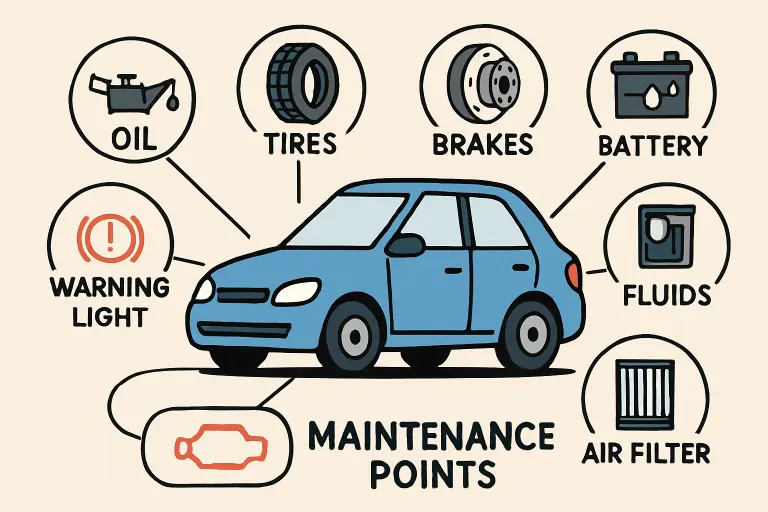
Maintaining your vehicle is crucial for safety, peace of mind, and longevity on the road. By addressing minor issues before they escalate into major repairs, you reduce the risk of unexpected breakdowns, save money on repairs, and gain confidence in your car’s ability to get you where you need to go. Regular oil changes and simple DIY upkeep ensure a smoother driving experience. To learn more about comprehensive car maintenance, be sure to explore resources from trusted dealerships and automotive experts. They provide valuable insights and checklists to keep your car performing at its very best, regardless of make or model.
Prioritize proactive care for your vehicle’s long-term health by scheduling services and smart driving habits. Consistent maintenance and understanding your car’s unique requirements improve fuel economy, road safety, ride smoothness, and resale value.
Table of Contents
Regular Oil Changes
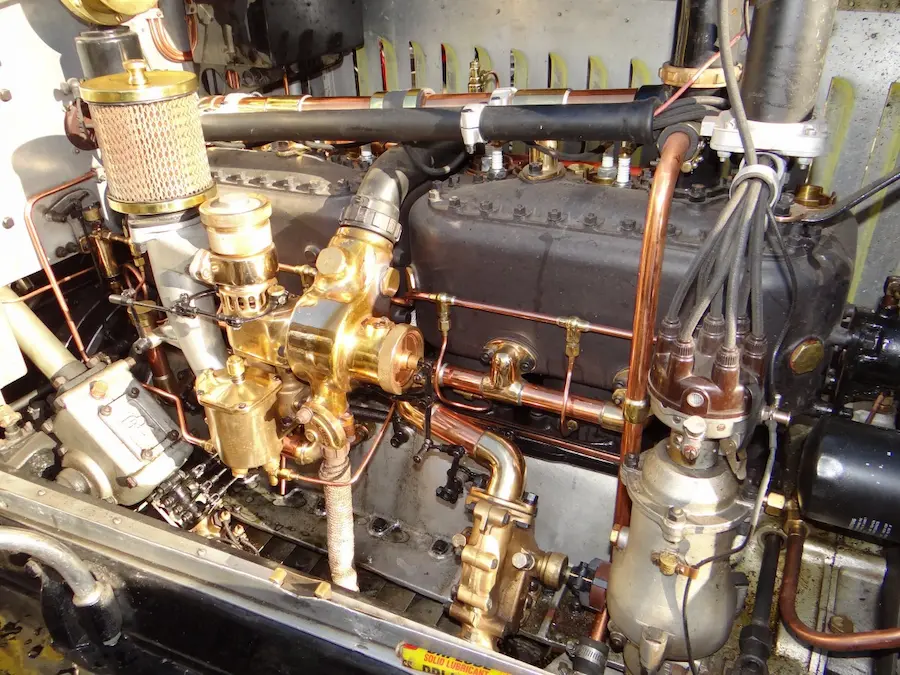
Engine oil is crucial for reducing friction and minimizing wear in a car’s engine. However, it loses effectiveness over time due to contamination with dirt, combustion residues, and metallic particles. Regular maintenance intervals, usually every 3,000 to 5,000 miles, help minimize sludge buildup and damage. Regular oil changes can extend engine life and maintain fuel efficiency. Always use the recommended oil type and filter in your owner’s manual and seek professional service, especially in severe conditions.
Tire Maintenance
Tires are crucial for safe handling, braking, fuel economy, and ride comfort. Underinflated or overinflated tires can cause uneven wear, decrease mileage, and increase the risk of blowouts. Use a quality tire gauge to check air pressure monthly and adjust levels according to vehicle specifications. Inspect for cuts, bulges, or embedded objects to identify alignment or suspension issues. Rotate tires every 6,000 to 8,000 miles for even wear, extend service life, and maintain traction. Regular wheel alignment checks and regular tire checks are essential for safety.
Brake Inspections
The brake system is crucial for a safe and controlled vehicle stop. Over time, wear and tear can cause issues like squealing noises, reduced responsiveness, soft pedals, or vibrations. Addressing these warning signs can prevent costly repairs like damaged rotors or calipers. It’s recommended to schedule a professional inspection at least once a year or at the first sign of trouble. The Car and Driver brake maintenance guide offers valuable insights into keeping this crucial system in top condition by outlining when to check, what to look for, and how to respond to common problems. If you drive in hilly areas or heavy traffic, you may need to check your brakes even more frequently.
Fluid Level Checks
Modern vehicles require vital fluids like transmission, brake, engine coolant, and power steering fluid. Regular checks and flushes are crucial to prevent issues like engine overheating and reduced stopping power. Owner’s manuals provide step-by-step instructions for checking and topping off each fluid. Regular maintenance ensures smooth gear shifting and safe engine temperature.
Battery Care
A functioning battery is crucial for starting your engine and maintaining electrical systems. Over time, battery terminals can develop corrosion, making starting difficult. To minimize corrosion, clean terminals with baking soda and water. If your battery is three years old or older, have it tested during routine service visits, and address signs like dim headlights, slow cranking, or frequent jump-starts. Ensure replacement batteries match vehicle requirements and never ignore warning lights related to the charging system, as they could signal potential issues.
Monitoring Warning Signs
Modern vehicles have advanced sensors that monitor critical systems and alert drivers to issues through dashboard warning lights. It’s crucial to address these alerts and pay attention to unusual sounds, sensations, or performance changes to catch mechanical problems before they escalate. This habit not only protects your wallet by allowing affordable repairs but also ensures your vehicle’s safety and reliability. Consult a trusted mechanic or dealership service department for diagnosis and resolution of issues.
Prioritize Your Vehicle’s Health for a Safer Drive
Consistent and proactive vehicle maintenance is essential for ensuring safety, reliability, and longevity on the road. By staying on top of oil changes, tire care, brake inspections, fluid levels, battery health, and responding promptly to warning signs, you can prevent costly repairs and enjoy a smoother, more efficient driving experience. Taking these steps not only protects your investment but also provides peace of mind every time you get behind the wheel. Make vehicle care a priority to keep your car performing at its best for years to come.






























































































































































































































































































































































































































































































































































































































































































































































































































































































































0