

Table of Contents
Key Takeaways
- Ensure you meet New Hampshire’s residency requirements before filing.
- Gather all necessary personal and financial documents in advance.
- Decide on the grounds for your divorce, no-fault or fault-based.
- Understand the filing process, including required forms and fees.
- Be prepared for potential court hearings and the finalization of your divorce.
Divorce can be a challenging journey for any family, but clear information and planning can reduce stress and confusion. If you’re considering filing for divorce in Manchester, New Hampshire, understanding each step of the process is critical for a smoother transition. In Manchester, the divorce process largely follows New Hampshire’s statewide procedures, but local practice and support options can make a real difference. To get started, it is helpful to learn about working with Top Manchester, NH Divorce Lawyers who can offer personalized guidance throughout your case. This guide was created to offer concise yet thorough help on residency requirements, necessary paperwork, court hearings, and everything in between. While this overview outlines how to proceed, some divorces involve complex financial or parental issues that may make working with an attorney especially advisable. Many resources are available to Manchester residents needing more support along the way.
In Manchester and throughout New Hampshire, divorce law is designed to ensure a fair division of assets and to protect the best interests of families. Gathering your documents and knowing the correct legal standards can help streamline the process, minimize mistakes, and put you in a better position as you begin this new chapter. Being prepared with accurate information is one of the most empowering steps you can take. From understanding local court requirements to preparing for potential hearings, each stage is vital to reaching a resolution that allows you and your family to move forward.
Residency Requirements
Before initiating a divorce petition in New Hampshire, you must verify that you or your spouse meets the residency requirements outlined in state law. You may file for divorce if both spouses live in New Hampshire, or if the spouse filing resides in the state while the other can be served in New Hampshire. If your spouse lives out of state, the filing spouse must have lived in New Hampshire for at least one year before starting the divorce process. Documentation such as a New Hampshire driver’s license, voter registration, or recent utility bill can establish residency.
Gathering Necessary Documents
Preparation makes a significant difference when filing for divorce in Manchester. You should gather:
- A certified copy of your marriage certificate
- Birth certificates for any minor children involved
- Social Security numbers for all family members
- Federal and state tax returns from the past three years
- Recent pay stubs and current bank statements
- Asset and debt information, such as mortgage statements, titles, and credit card bills
This documentation is required for the mandatory financial disclosures as part of the divorce process in New Hampshire.
Determining Grounds for Divorce
New Hampshire offers both no-fault and fault-based grounds for divorce. The most commonly used option is “irreconcilable differences,” which does not require proof of marital wrongdoing. Fault-based grounds can include adultery, extreme cruelty, habitual drunkenness, or abandonment. The grounds you select may impact the timeline and amicability of your proceedings, particularly if fault is disputed.
Filing the Divorce Petition
The divorce process officially begins when you file a Petition for Divorce at the Family Division of the Circuit Court in your county. The filing fee ranges from $250 to $252, with slightly different paperwork required if minor children are involved. You will need to include a Confidential Information Form and a Financial Affidavit with your petition. Filing fees and forms can change, so you should always check the current rules with the court.
Serving Your Spouse
After submitting your petition, the next critical step is to ensure that your spouse receives official notice of the divorce. You have several options: certified mail with a return receipt, personal service by a sheriff or professional process server, or acceptance of service, where your spouse signs an acknowledgment. Making certain your spouse is properly served helps avoid unnecessary delays and demonstrates to the court that all required procedures have been followed.
Attending Court Hearings
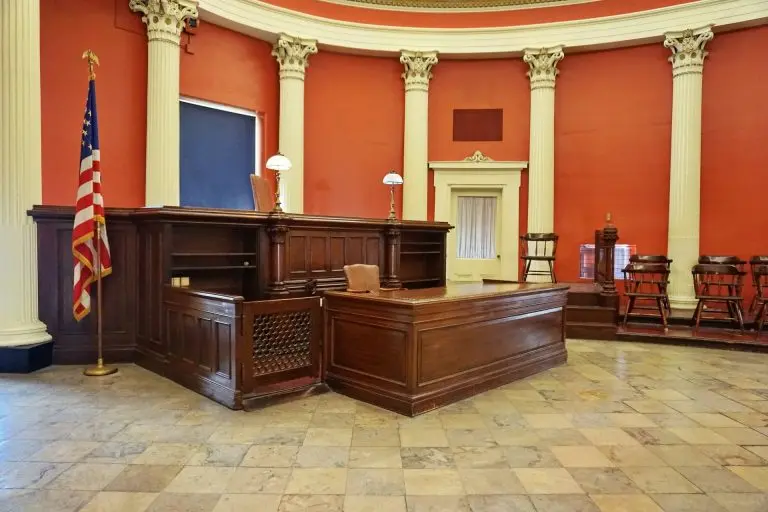
Depending on whether your divorce is contested or uncontested, you may need to attend one or more court hearings. If your divorce is uncontested and both parties reach an agreement on all terms, your final hearing may be brief and informal. Contested divorces involve greater court oversight, including possible temporary orders for support or custody, a pre-trial conference to attempt settlement, and a final hearing or trial to resolve outstanding disputes. Preparation for these hearings can include working with an attorney, gathering additional evidence, and organizing testimony relevant to disputed issues.
Finalizing the Divorce
Once the court has approved your agreement or determined all contested matters, it will issue a Final Decree of Divorce. The decree details how property, debts, child custody, and support arrangements will be handled. Obtaining certified copies of your decree is important for future transactions, such as changing your name or settling property matters.
Frequently Asked Questions
How long does the divorce process take in New Hampshire?
An uncontested divorce can be completed in two to three months, while contested cases typically take between eight and fourteen months, depending on the complexity and volume of disputed issues.
Is there a mandatory waiting period after filing for divorce?
No, New Hampshire does not impose a waiting period after you file your divorce petition. Cases move at the pace set by court schedules and the parties’ progress in resolving their disputes.
Can I file for divorce without hiring an attorney?
It is possible to file for divorce on your own, especially for uncontested or amicable cases. However, legal counsel may be advisable for complex property or child custody disputes, or if you are unsure of your rights. While divorce is never easy, knowing the steps ahead helps you face the process with confidence and clarity. With the right preparation and support, you can make informed decisions on the path to a new beginning.
Conclusion
Filing for divorce in Manchester, New Hampshire, requires careful preparation, a clear understanding of legal requirements, and attention to each step of the process. From meeting residency rules and gathering essential documents to filing correctly and preparing for possible court hearings, every stage plays a role in achieving a fair and efficient outcome. By staying organized, understanding your grounds for divorce, and being proactive throughout the process, you can reduce delays and avoid unnecessary complications. Whether your case is straightforward or more complex, taking the time to prepare and seeking professional guidance when needed can help you move forward with confidence and begin the next chapter on a solid footing.


























































































































































































































































































































































































































































































































































































































































































































































































































































































































































0