
Table of Contents
Key Takeaways
- Understand your typical driving habits and who will regularly ride with you.
- Make fuel efficiency and environmental considerations a priority.
- Focus on critical safety features and up-to-date technology.
- Set a realistic budget that includes more than just the sticker price.
- Test-drive several vehicles to discover which one genuinely suits your lifestyle.
Finding the perfect vehicle goes far beyond looks or powerful engines. The right choice comes from matching a car, truck, or SUV to your daily routine, personal interests, and future aspirations. If you want to make this decision with confidence, it helps to take a closer look at your life, budget, and must-have features. Learn more about finding options that best fit your needs.
As today’s car market offers an impressive variety, it is easier than ever to get lost in the choices. From compact hybrids to rugged SUVs, every type of vehicle plays a different role in drivers’ lives. This guide breaks down the essential factors so you can compare options and make a decision that stands the test of time, keeping you comfortable and safe on the road.
Assess Your Daily Driving Habits
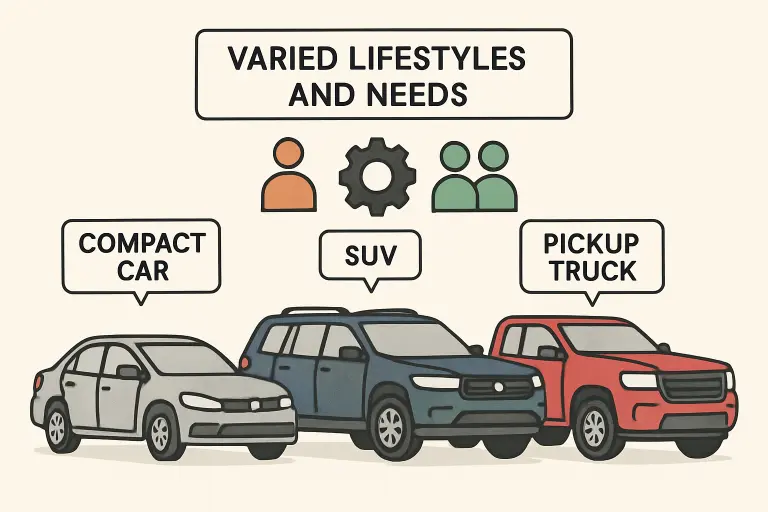
Start by analyzing your average week behind the wheel. Do you commute long distances or mostly drive short hops around town? If maneuvering through tight city streets and managing frequent parking challenges is your reality, a smaller hatchback or compact car will provide ease and excellent gas mileage. However, for those who rack up highway miles or live in areas with unpredictable weather and roads, choosing something with more room and power, like a crossover or SUV, might be a better fit. Understanding these patterns makes it easier to identify the appropriate vehicle class and helps avoid costly mistakes. More ideas can be found on Consumer Reports.
Consider Passenger and Cargo Needs
Think carefully about who will share your vehicle and what you will carry most often. For growing families, spacious interiors, advanced restraint technologies, and high safety ratings rank at the top of the list. If your weekends involve outdoor adventures such as skiing, biking, or kayaking, ample cargo space and configurable seating can be essential. On the other hand, those with reliable public transit can sometimes opt for smaller, more city-friendly vehicles while still having access to a second, larger car for excursions. Cars.com provides helpful tips on choosing family- and cargo-friendly vehicles.
Evaluate Fuel Efficiency and Environmental Impact
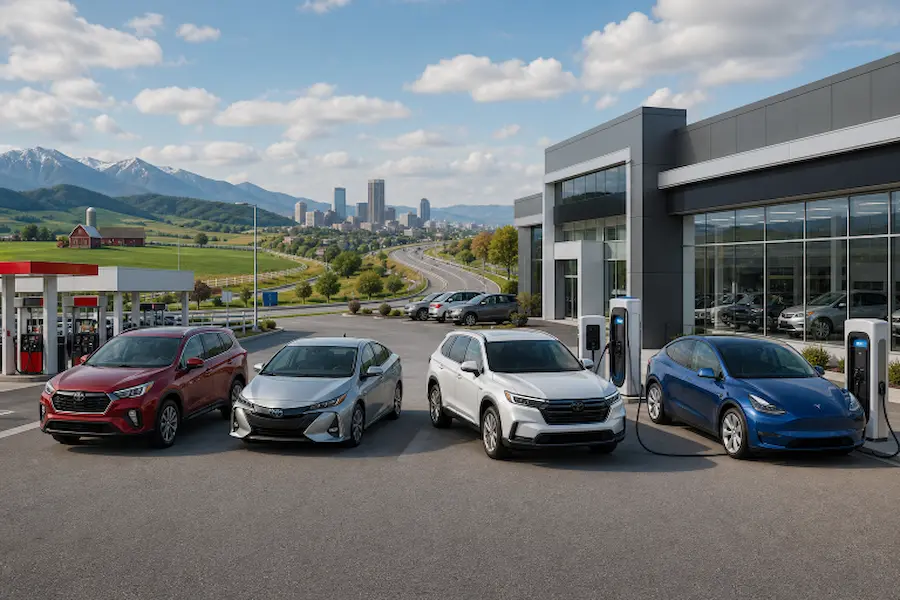
With fuel costs and eco-conscious choices making headlines, it’s smart to factor in how often you visit the gas pump, or if you can skip it entirely with an electric vehicle. Traditional gasoline cars remain plentiful, but hybrids and EVs are fast becoming mainstream, offering lower emissions and impressive range. For drivers with predictable commutes and home charging options, electric vehicles are worth serious consideration. However, if you travel off the beaten path or take extended road trips, a fuel-efficient hybrid might provide the right balance of cost savings and flexibility. For insights on emissions and fuel-saving technologies, visit the Edmunds car buying resource.
Prioritize Safety Features
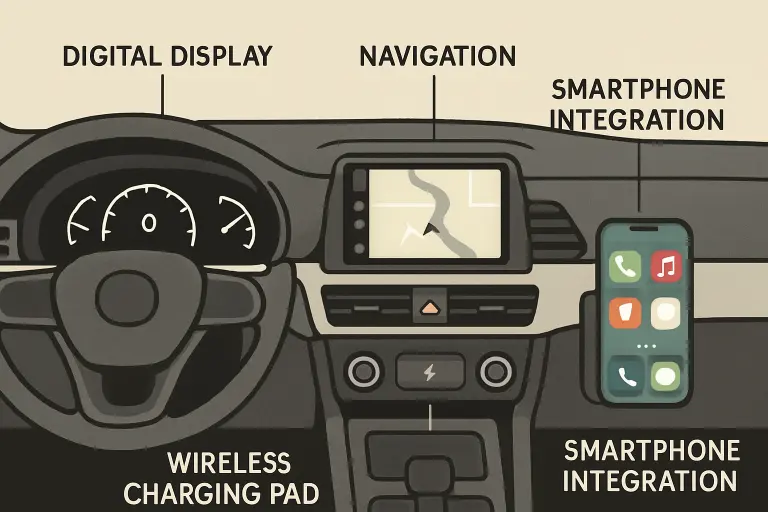
Modern vehicles are packed with features designed to prevent accidents and protect you in the event of the unexpected. Critical technologies such as automatic emergency braking, blind-spot monitoring, adaptive cruise control, and lane-keeping assist have become more common, even in budget-friendly models. Reviewing crash-test ratings and optional safety packages is a must for anyone prioritizing family or frequent carpooling. Your peace of mind depends on both passive and active protective measures.
Set a Realistic Budget
Financial planning is critical when buying a car. Do not stretch your budget to the limit. Remember to include commonly overlooked expenses such as auto insurance, taxes, registration, and regular maintenance alongside the purchase price. Many experts recommend following the 20/4/10 rule: put down at least 20 percent, finance the car for no more than 4 years, and make sure total monthly costs (including insurance and fuel) don’t exceed 10 percent of your gross income. These benchmarks help ensure your new vehicle is sustainable not just today, but for several years to come. The Bankrate car loan guide is a valuable tool for budgeting and financing tips.
Test Drive Multiple Vehicles
After researching and narrowing your choices, schedule test drives for your top contenders. Experiencing vehicles firsthand highlights differences that websites or brochures cannot. Evaluate comfort, ease of use for controls, quietness, and how each handles local roads or highways. Bring along any family members or frequent passengers, and prepare a short checklist so you do not overlook important details. Only through real-world driving can you confirm that your top pick feels right for you.
Conclusion
Choosing the right vehicle requires a thoughtful blend of priorities. Balancing lifestyle needs, budgeting responsibly, and seeking modern features can ensure the car you drive suits both your current and future life stages. The best vehicle is one that inspires confidence, delivers enjoyment, and demonstrates capability every time you turn the key.



























































































































































































































































































































































































































































































































































































































































































































































































































































































































































































































0