
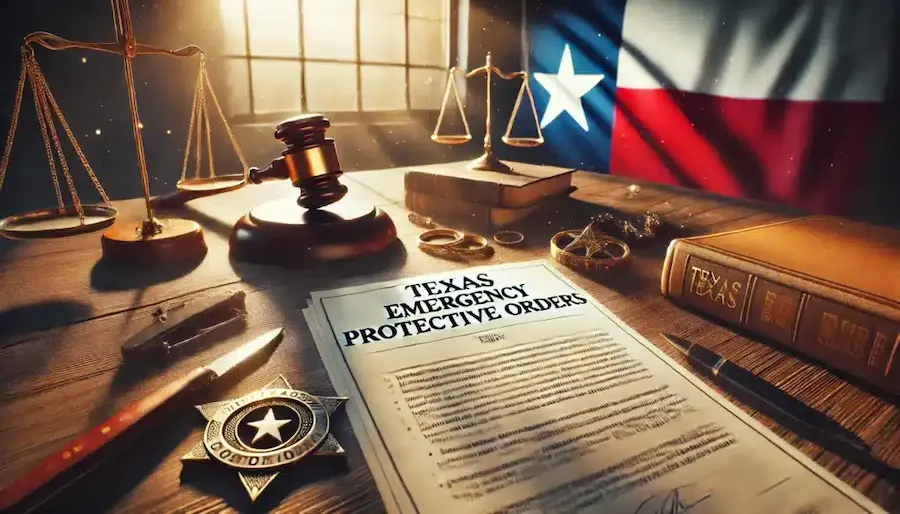
Incidents requiring protective measures are not uncommon in military communities. According to Military.com, the military is bringing significantly more domestic violence cases against service members to court, including an increasing share of senior ranking officers.
A Military Protective Order (MPO) is a powerful administrative tool used within the armed forces to safeguard service members, their families, and others from threats, harassment, or violence. Issued by a commanding officer, an MPO is designed to provide immediate protection in situations involving domestic abuse, interpersonal conflict, or safety concerns—often before civilian legal action is taken.
While it is not a criminal charge, violating an MPO can carry serious military consequences, including disciplinary action under the Uniform Code of Military Justice. An MPO can limit access to certain areas, prohibit contact with the protected person, or require the service member to leave shared housing.
How long does a military no-contact order last? A commander determines the duration of MPO time frames because specific limits do not exist. The protected party remains under protection until the necessary period ends.
Let’s discuss the process of obtaining an MPO and its impact on your legal rights and responsibilities.
Table of Contents
Understanding Military Protective Orders
The moment you feel threats or violence, an MPO will safeguard you, which will lead to your feeling safe. When the abuser is a service member or civilian, you are entitled to stop them from approaching you or to create distance restrictions.
You can request an MPO from any officer in your command chain or you can visit the legal office directly. You must take urgent action to protect your personal safety. You can stay safe because multiple military support systems work to assist you.
Understanding an MPO system enables people to take control of their personal safety. The community empowerment process establishes a foundation for community members to develop a sense of belonging.
Differences Between Military and Civilian Protective Orders
The processes and jurisdictions for military and civilian protective orders are distinct from each other.
Military officers and authorized personnel in the military system have the authority to issue protective orders, while civilian protective orders require court approval. Military protective orders provide immediate protection since the enforcement of these orders is done quickly.
Military orders affect service members and their families whereas civilian orders cover wider populations. The enforcement of military protective orders becomes more complicated because these orders include deployment and assignment duty matters.
The Process of Obtaining a Military Protective Order
The process for military protective orders differs from civilian protective orders because they require different procedures. Evidence collection starts the entire process. Proof consists of important documents and witness statements.
The legal office in your unit or the appropriate military installation office provides access to the request form. Prepare yourself to explain your circumstances. The relevant personnel will guide you through the application process.
A commanding officer will review your request at this point and issue the order if deemed warranted.
Keep copies of all documents for your information. This situation provides a chance to use multiple existing resources, which help people manage their problems while they feel isolated.
Rights and Responsibilities Under an MPO
The rights and responsibilities of the parties involved under a Military Protection Order are something that you and the person subject to the order should know. The law allows you to protect yourself through your fundamental right to safety, which includes assistance from your superiors and legal representatives.
All individuals under an MPO must comply with the order’s requirements, which include restrictions on entering specific locations and contacting designated individuals. The MPO prohibits any activities that will result in serious disciplinary consequences for the individual who violates it.
You need to develop your understanding of an MPO through communication with your commanding officer because this knowledge will help you deal with your current challenging situation. Your actions will create an atmosphere of respect and safety, which will enhance your military community’s environment.
Resources and Support for Service Members and Families
You need to find the right support sources, which will help you throughout your Military Protective Order process.
The Military Family Support Center and the National Domestic Violence Hotline will also assist you. Your unit provides legal assistance, which will help you understand your rights and available options.
People can find comfort through support groups and peer networking, which creates a peaceful environment.


































































































































































































































































































































































































































































































































































































































































































































































































































































































































0