
You know how your mom always says dinner will be ready “in five minutes” but it actually takes twenty? Well, imagine that same timing challenge, except instead of dinner getting cold, millions of tons of food could spoil, and instead of disappointing your family, you could disappoint entire grocery chains. That’s what farmers and food companies deal with every single day. Timing in agriculture isn’t just important—it’s absolutely everything.
Table of Contents
When Nature Sets the Schedule
Farming operates on nature’s clock, not human convenience. When corn is ready to harvest, it doesn’t wait for the weekend. When tomatoes ripen, they won’t hold off until transportation costs go down. This creates a massive logistical puzzle that most people never think about when they grab an apple at the store.
Take wheat, for example. There’s usually only a two-week window when wheat hits the perfect moisture content for harvesting. Too early, and you get lower yields. Too late, and weather can destroy the entire crop. During those crucial two weeks, farmers work around the clock, sometimes harvesting until 2 AM with floodlights. But here’s the catch—everyone else is harvesting too.
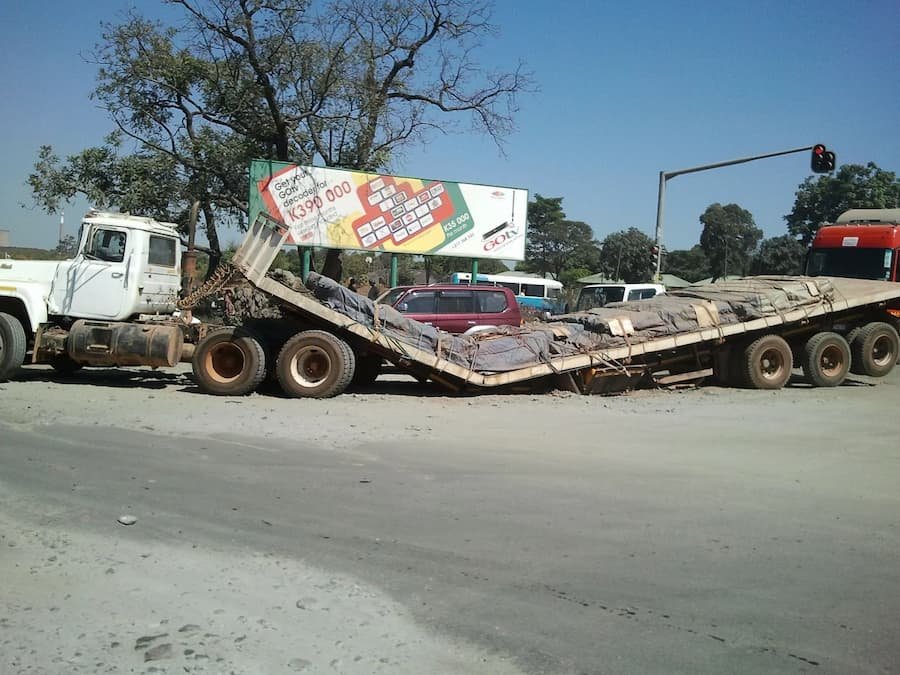
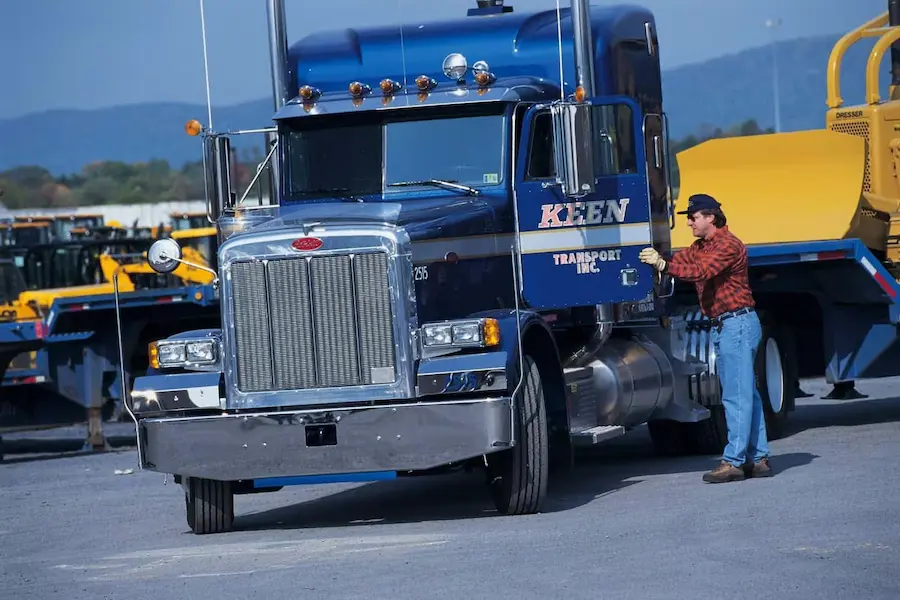
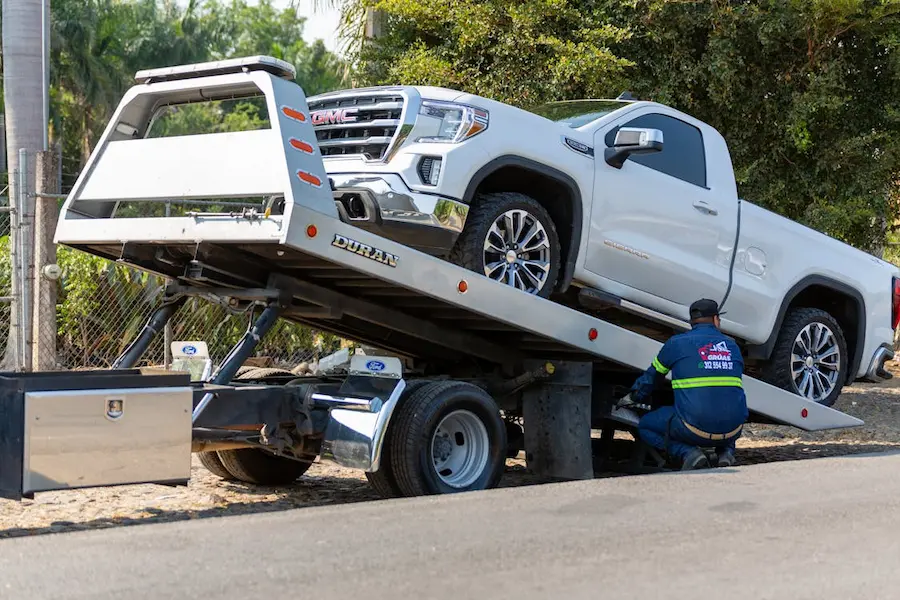
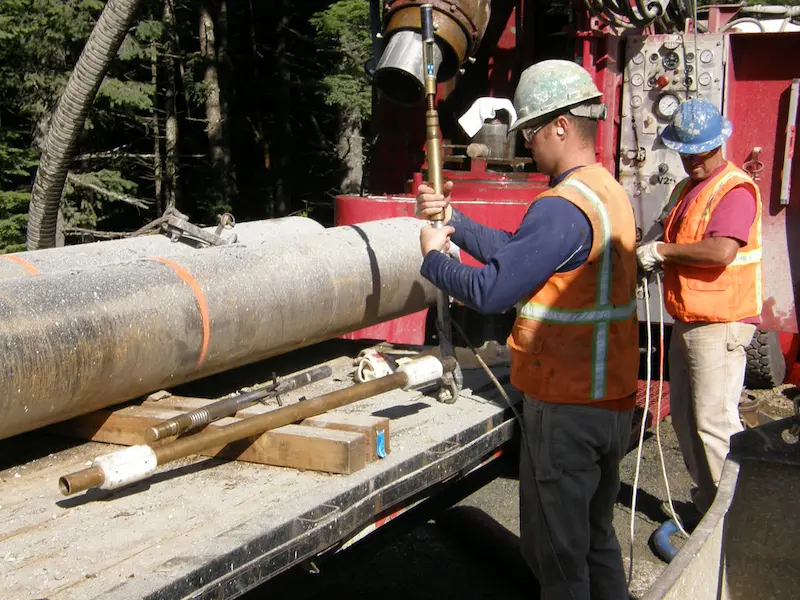
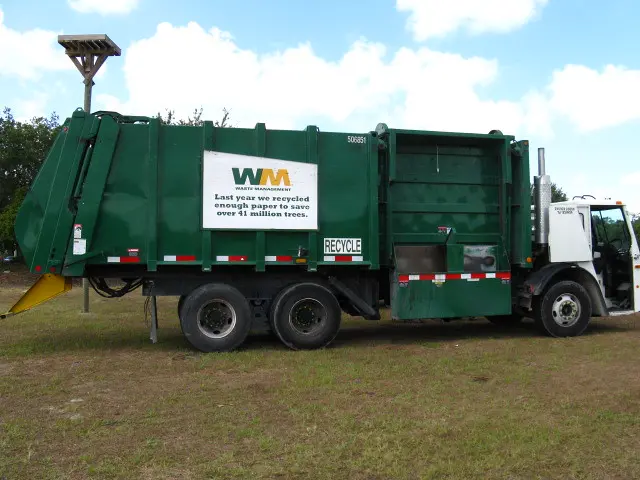
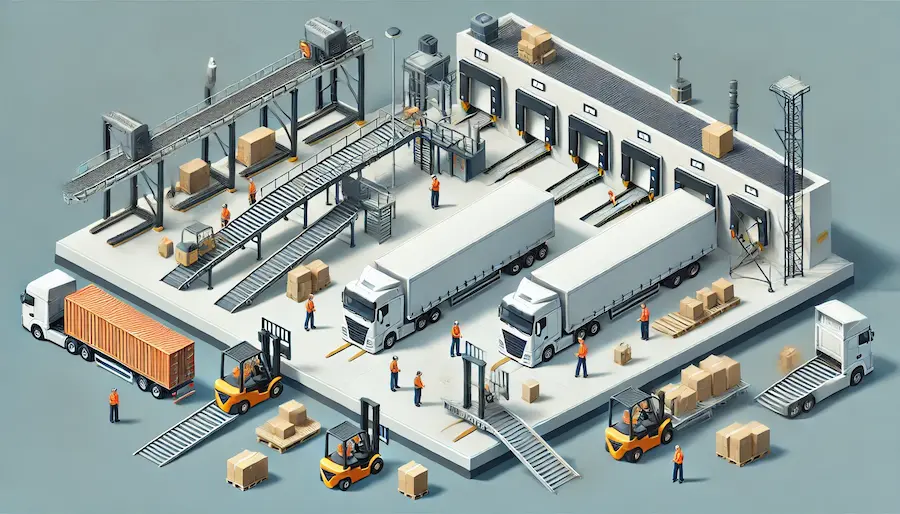
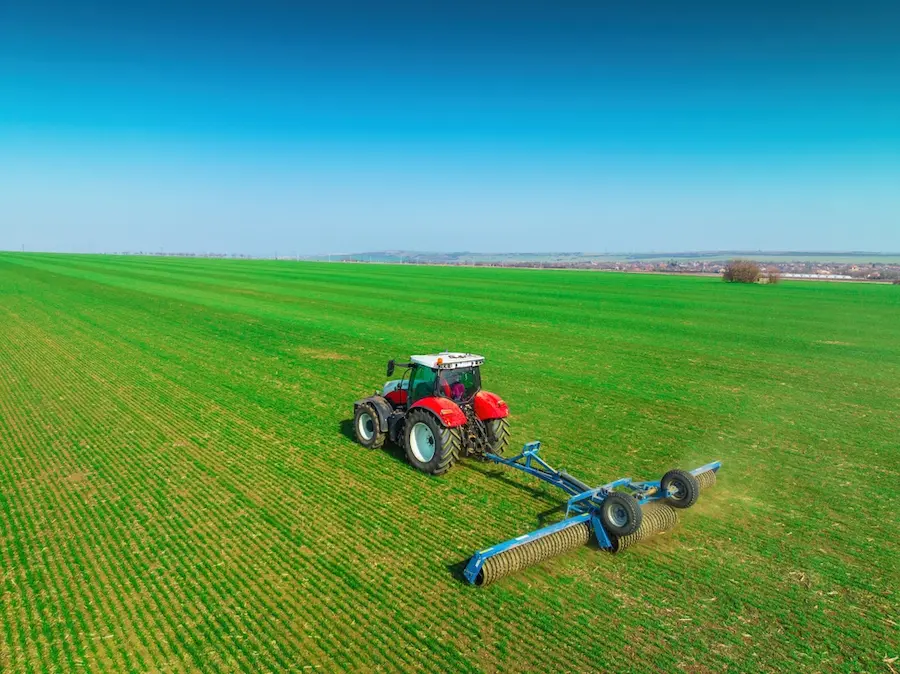
This creates what agricultural folks call the “harvest rush.” Suddenly, thousands of tons of grain need to move from fields to storage facilities or processing plants, all at the same time. Regular trucks can’t handle this volume or these specific requirements, which is why specialized hopper trucking services become essential during peak harvest periods. These specialized vehicles can efficiently transport bulk agricultural products while maintaining quality and preventing spoilage.
The Domino Effect of Agricultural Timing
When timing goes wrong in agriculture, it creates a domino effect that ripples through the entire food system. Let’s say a late spring delays planting by two weeks. That might not sound significant, but it pushes harvest into a time when weather is less predictable. If early snow hits before harvest finishes, not only does the farmer lose money, but food processors have less raw material, which means higher prices at the grocery store.
The same timing pressure applies to fresh produce, but with even tighter windows. Strawberries need to go from field to store within days, not weeks. Lettuce starts losing crispness within hours of harvest. These products can’t sit around waiting for convenient shipping schedules.
The Technology Race Against Time
Modern farms have gotten incredibly sophisticated about timing. GPS systems help farmers plant at optimal soil temperatures. Weather stations provide minute-by-minute updates. Satellite imagery shows exactly which fields are ready for harvest. But even with all this technology, farmers still can’t control the weather or magically create more hours in the day.
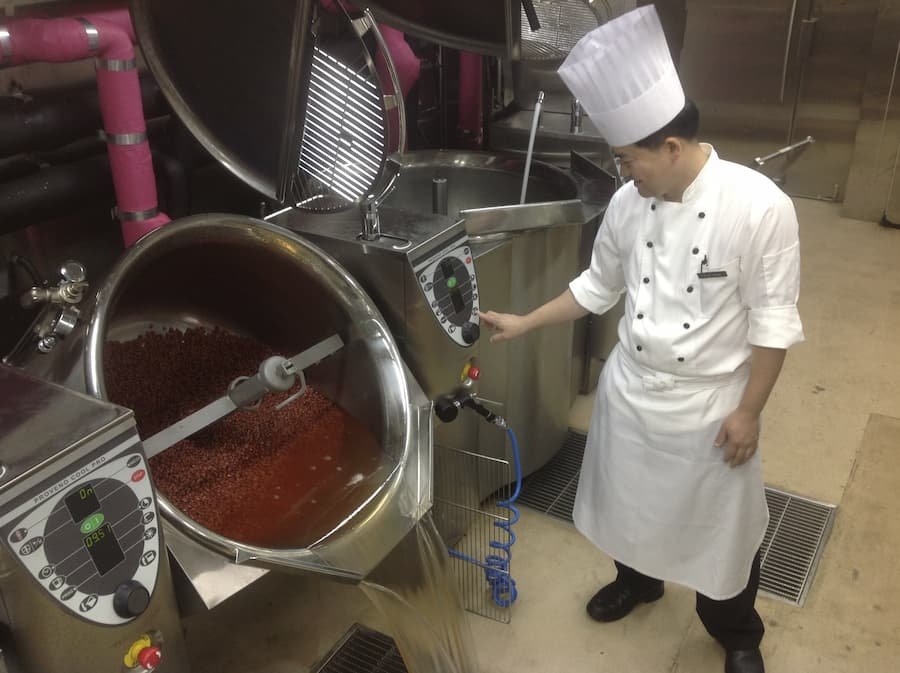
Food processing plants have adapted by becoming incredibly flexible. During peak seasons, many facilities run 24 hours a day, seven days a week. Workers come in at all hours because the raw materials won’t wait. Some processing plants even have dedicated teams that do nothing but coordinate with farmers about timing—essentially playing a massive game of Tetris with trucks, storage space, and production schedules.
Storage: Buying Time When Time Runs Out
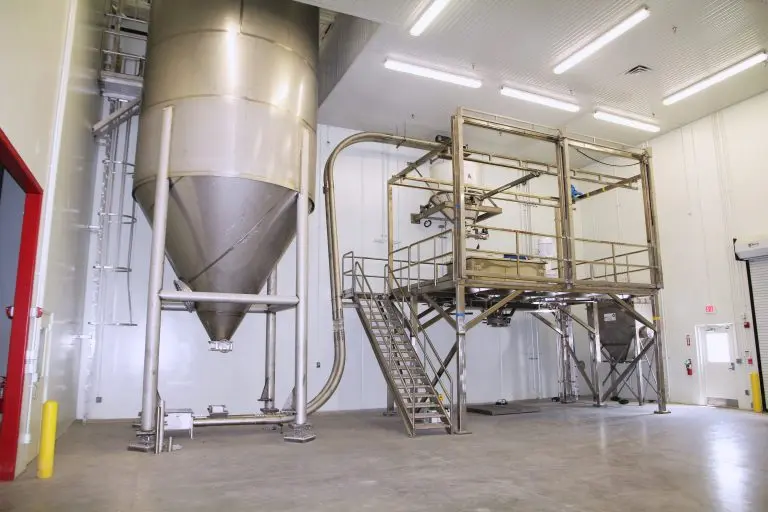
Since farmers can’t always control when crops are ready, the food industry has developed massive storage systems to bridge timing gaps. Grain elevators can store wheat for months, allowing it to enter the market gradually instead of flooding it all at once. Cold storage facilities keep fruits and vegetables fresh long after harvest.
But storage costs money, and not all crops store well. Fresh herbs might last a few days. Potatoes can last months if stored properly. This storage challenge affects everything from pricing to availability. Ever wonder why certain fruits cost more in winter? It’s often because they’ve been in expensive cold storage for months.
The Human Side of Agricultural Timing
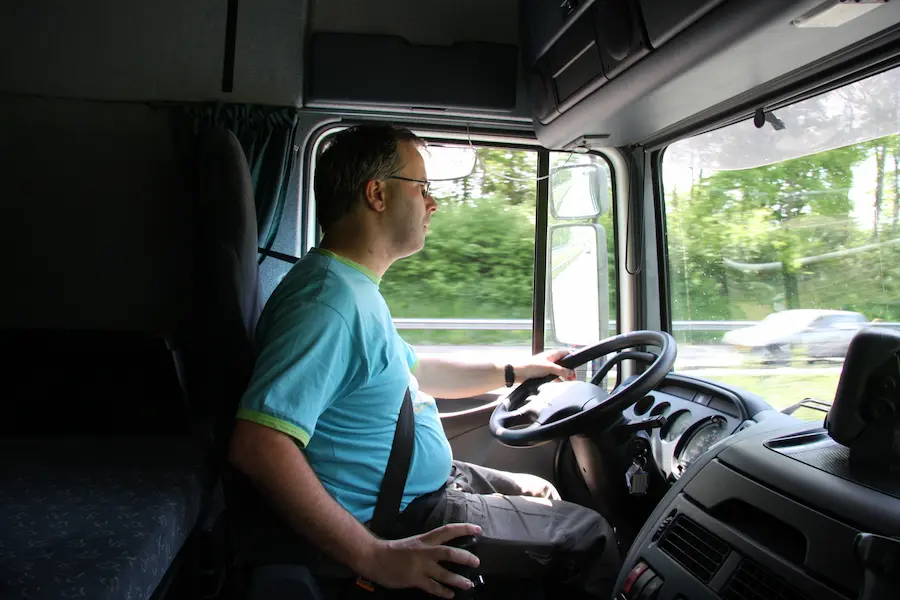
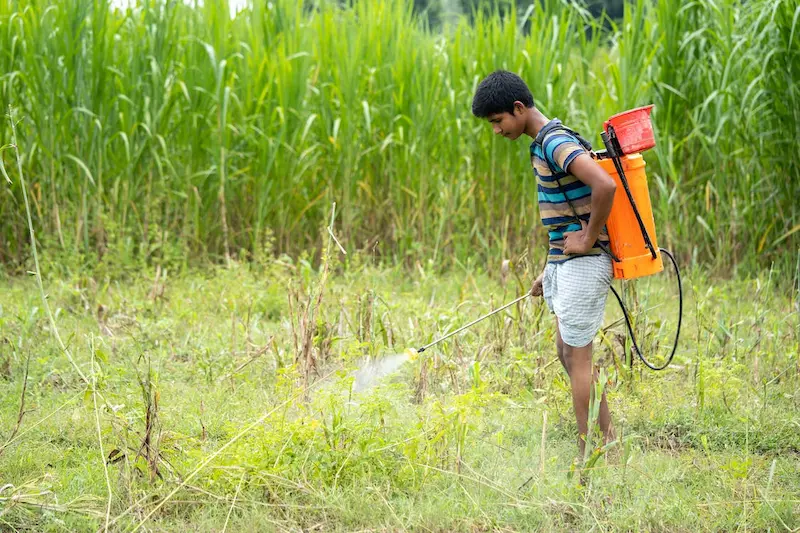
Behind all this technology and logistics are real people dealing with incredible pressure. Farmers might work 20-hour days during harvest, knowing that weather could change at any moment. Truck drivers haul loads through the night because crops won’t wait until morning. Food processing workers adjust their schedules around harvest timing, not their personal preferences.
Family farms feel this pressure especially intensely. Unlike large agricultural corporations, they usually can’t afford backup plans or redundant systems. When timing goes wrong for a family farm, it can mean the difference between profit and bankruptcy for the entire year.
Weather: The Ultimate Wild Card
No discussion of agricultural timing is complete without talking about weather. Climate change has made weather patterns less predictable, which makes timing even more challenging. Traditional planting and harvesting calendars, developed over generations, don’t work as reliably anymore.
Farmers now deal with more extreme weather events that can compress timing windows even further. A sudden hailstorm can destroy crops in minutes. An unexpected heat wave can push harvest forward by weeks. Too much rain can delay planting or make fields inaccessible to harvesting equipment.
The Global Timing Challenge
Agricultural timing isn’t just a local issue—it affects global food markets. When harvest timing shifts in major agricultural regions, it can impact food prices worldwide. A delayed corn harvest in Iowa affects livestock feed prices in Texas. Early wheat harvest in Kansas influences bread prices in New York.
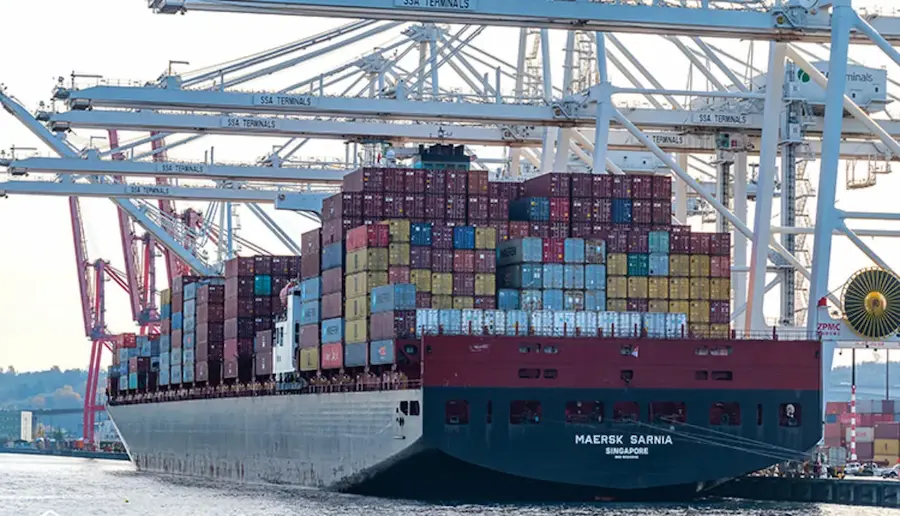
International trade adds another layer of timing complexity. Fresh produce might need to travel thousands of miles, crossing time zones and borders. Coordinating harvest timing with shipping schedules, customs clearance, and international regulations requires precise planning months in advance.
Making It All Work
Despite all these challenges, the food system mostly works. Grocery stores stay stocked, restaurants get their ingredients, and people eat. This success happens because thousands of professionals have dedicated their careers to solving timing puzzles in agriculture.
The next time you bite into fresh produce or grab a loaf of bread, remember the incredible coordination that made it possible. Someone planted seeds at exactly the right moment, harvested crops within narrow time windows, coordinated transportation logistics, and managed storage systems—all so that food arrives when and where people need it. In agriculture, timing really is everything, and the people who make it work deserve more credit than they usually get.

















































































































































































































































































































































































































































































































































































































































































































































































































































0