

Table of Contents
Key Takeaways
- Proper brushing and flossing techniques are essential to maintaining good oral hygiene.
- Dietary choices directly impact the strength and health of your teeth.
- Regular dental check-ups are essential for early detection and prevention of dental problems.
Maintaining a healthy smile extends beyond aesthetics—it’s a crucial aspect of your overall well-being. Strong teeth and healthy gums are essential for chewing, speaking, and maintaining your self-confidence. The daily choices you make have a profound impact on your oral wellness, and guidance from professional resources like Montrose Family Dental can help ensure you’re on the right track. By prioritizing specific habits, you can significantly reduce your risk of dental decay, gum disease, and other oral health issues.
Understanding how brushing, flossing, nutrition, hydration, and other habits shape your oral environment is the first step toward a radiant, resilient smile. The science is precise: consistent daily care bolstered by professional support can keep your teeth strong for a lifetime. Establishing the proper routines not only safeguards your dental health but also contributes to your long-term well-being.
Proper Brushing Techniques
Effective brushing forms the bedrock of oral hygiene. Dental professionals recommend brushing your teeth at least twice a day with fluoride toothpaste. The correct approach involves using a soft-bristled toothbrush placed at a 45-degree angle to the gumline, then employing gentle, circular motions to sweep away plaque from all surfaces. Overzealous scrubbing can harm enamel and irritate gums, so a gentle touch is essential. This thorough method not only keeps teeth cleaner but also helps prevent gingivitis and cavities.
Importance of Flossing
Flossing is indispensable for reaching the tight spaces between teeth and below the gumline, where even the best toothbrushes fall short. Plaque and food debris that linger here can foster the growth of bacteria, leading to decay and gum disease. The American Dental Association advises flossing once daily, gently curving the floss into a ‘C’ shape around each tooth and gliding it up and down. This practice prevents buildup, reducing your likelihood of more serious dental problems.
Diet and Oral Health
Foods rich in calcium and phosphorus, such as dairy products, tofu, green leafy vegetables, and almonds, actively support tooth enamel, which is your body’s natural shield against decay. According to Mayo Clinic, maintaining a diet low in sugar and high in nutrient-dense foods can significantly reduce the risk of cavities and enamel erosion. Conversely, frequent consumption of sugary snacks, soft drinks, and acidic foods increases your vulnerability to these issues. A balanced diet that limits sugar and includes fibrous foods not only strengthens teeth but also benefits overall health.
Hydration and Saliva Production
Saliva is your mouth’s natural defense mechanism. It helps wash away food particles, neutralizes acids, and even carries minerals that keep your enamel strong. Staying well-hydrated, particularly by drinking water, boosts saliva flow and overall oral health. Additionally, water can help rinse away sugars and debris after meals, making it a simple yet practical choice for daily oral hygiene.
Regular Dental Check-up
Routine dental visits are essential for both the prevention and early detection of dental issues. Dentists perform professional cleanings to remove tartar, a hardened deposit that is inaccessible to regular brushing, and check for signs of problems such as cavities, gum disease, or even oral cancer. According to WebMD, these biannual check-ups play a key role in maintaining long-term oral health and can help detect problems before they become serious. Skipping your regular check-ups can allow minor concerns to become major health issues, underscoring the importance of consistent care.
Avoiding Harmful Habits
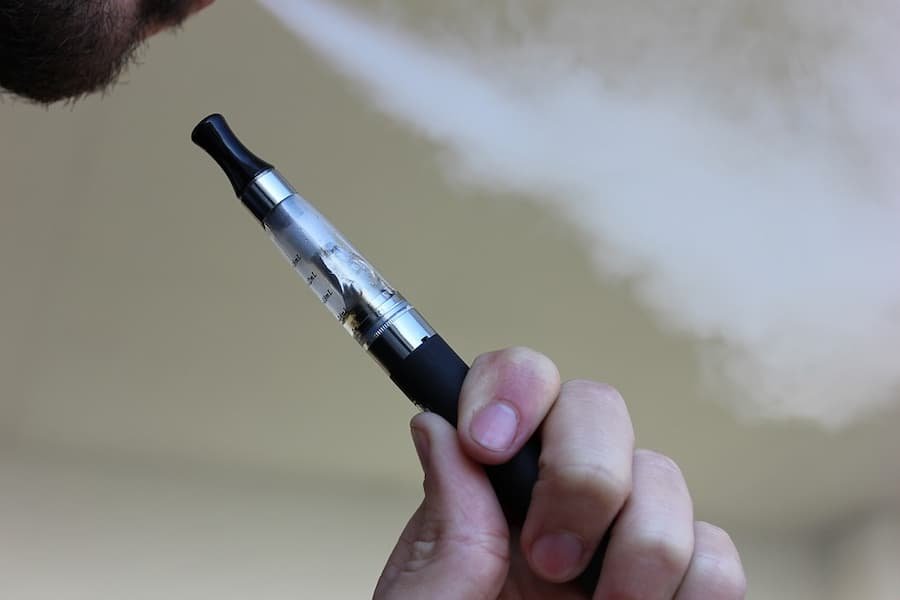
Every day behaviors can significantly impact your oral health. Smoking, for example, increases the risk of oral cancer, tooth loss, and gum disease. Meanwhile, using your teeth to open packages or chew on non-food items can cause chips, cracks, or damage to your enamel. Being mindful of and avoiding these habits can safeguard your smile for years to come.
Stress Management and Oral Health
Chronic stress is often overlooked as an oral health risk. It can contribute to teeth grinding or jaw clenching, a condition known as bruxism, which wears down enamel, causes tooth sensitivity, and leads to jaw discomfort. Effective stress management—through mindfulness, regular exercise, or adequate rest—not only enhances mental wellness but also prevents damage to your teeth and gums.
Protecting Teeth During Physical Activities
Whether you play contact sports or participate in recreational activities, protecting your teeth should be a priority. Accidents can happen, but wearing a well-fitted mouthguard significantly reduces the risk of broken or lost teeth and injuries to your lips or gums. Both adults and children benefit from preventive gear, making it a standard part of your athletic equipment.
Integrating these proven strategies into your daily routine empowers you to maintain a vibrant, robust smile—anchored in science and supported by expert care. For tailored advice and thorough preventive care, rely on professionals like Montrose Family, who are dedicated to supporting lifelong oral health.

































































































































































































































































































































































































































































































































































































































































































































































































































































































































































0