
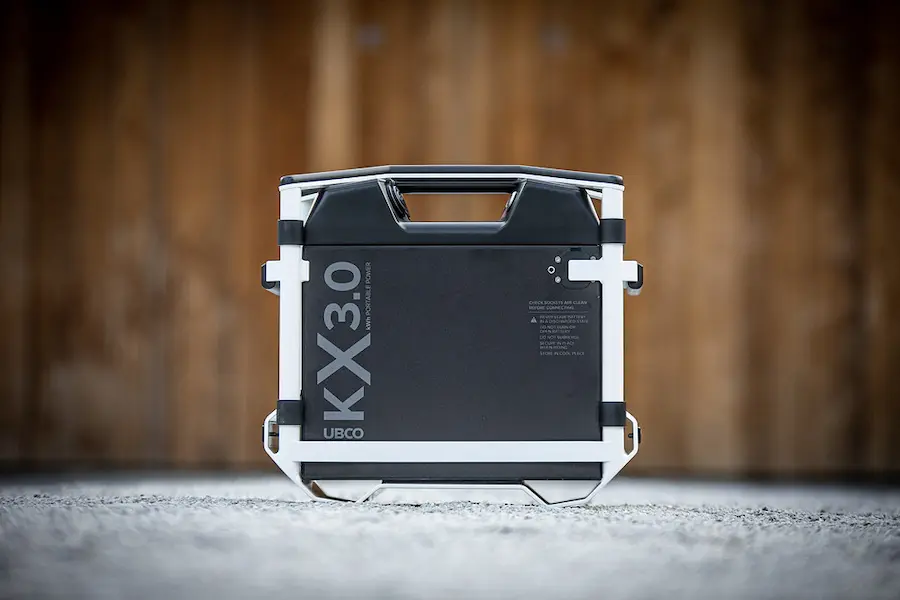
Once a niche curiosity for gadget-lovers and outdoor enthusiasts, portable power stations are rapidly becoming a serious player in the UK’s evolving home energy landscape. No longer content with candles and a fading phone battery during power cuts, British homeowners are seeking solutions that are clean, quiet, and—most importantly—modular. At the forefront of this shift is the EcoFlow Delta Pro 3, a device that exemplifies the new era of “plug-and-play” energy independence.
Table of Contents
From Back Garden to Blackout Hero
The last decade has seen the UK’s approach to home backup power change almost beyond recognition. Ten years ago, the market was dominated by traditional petrol and diesel generators—noisy, cumbersome, and often illegal to run indoors. Their place in the average home was somewhere between the shed and the last resort.
That began to change as lithium battery technology improved, climate anxiety crept in, and the British grid showed new signs of fragility. The energy crisis of 2022, marked by surging bills and government warnings of potential winter blackouts, forced thousands to consider their backup options. Portable power stations, previously associated with camping trips or festival weekends, suddenly appeared as the cleverer alternative to petrol fumes and noise complaints.
Modular, Scalable, and Ready for Anything
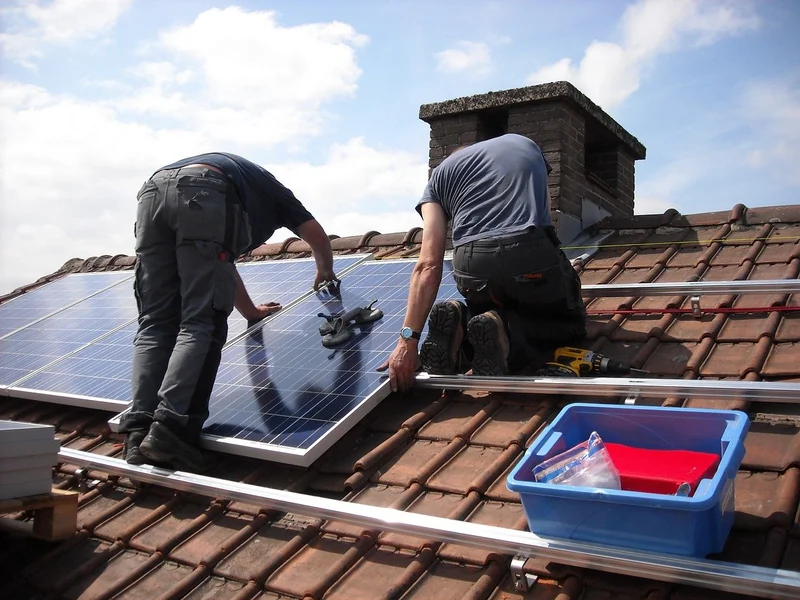
Unlike the generators of the past, modern portable power stations are modular by design. Devices like the EcoFlow Delta Pro 3 can be expanded with additional batteries, paralleled with other units, and recharged directly from solar panels. This scalability means a homeowner can start small—powering a fridge and a few lights—and gradually scale up to support a whole house, all without a single drop of petrol.
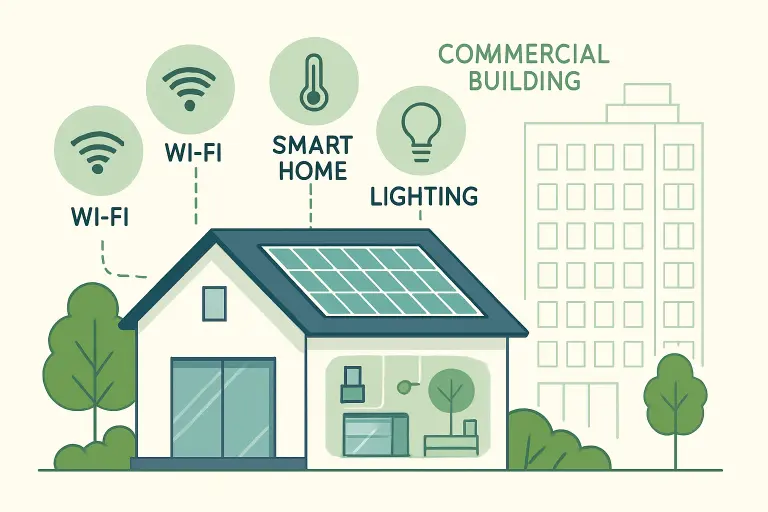
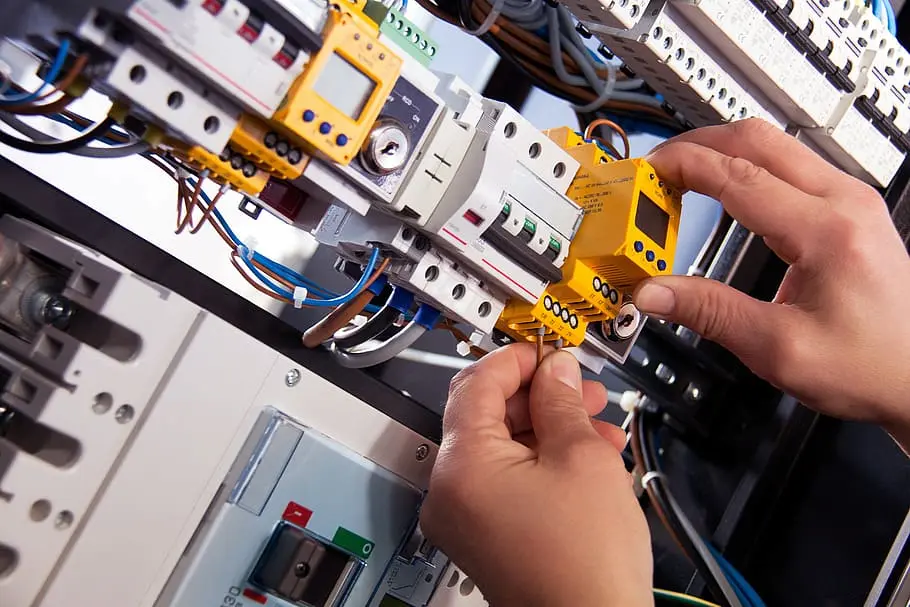
With up to 36 kWh of storage and 4,800 W of solar input possible in a maxed-out Delta Pro 3 system, these power stations are stepping confidently into territory once reserved for much larger, costlier stationary systems. Integration with home circuit panels, using smart transfer switches, makes backup seamless and safe, allowing a family to keep working, heating, and streaming even when the neighborhood is dark.
A Surge in Adoption—and a Shift in Attitude
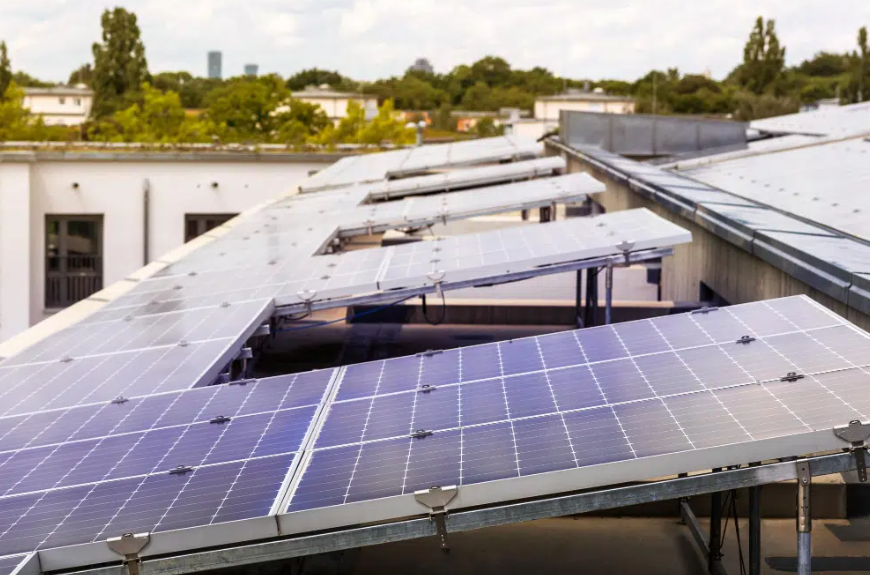
The data tell the story. Between 2015 and 2025, the number of UK homes equipped with some form of battery storage has climbed rapidly. While rooftop solar panels remain the most visible symbol of domestic energy self-reliance—with more than 1.1 million UK homes now sporting them—battery adoption has begun to catch up. In 2024 alone, over 22,000 home battery systems were installed, quadrupling the previous year’s figure.
Government policy has been quick to adjust. The elimination of VAT on domestic battery and solar installations, coupled with flexible export tariffs, has encouraged thousands to upgrade from grid dependency to “energy prosumer” status. Portable power stations fit perfectly into this framework: no planning permission, no permanent installation, no fuss. For renters and urban dwellers, they represent an accessible, non-invasive path to energy security.
Beyond Backup: A Lifestyle Upgrade
But the rise of portable power stations is about more than simply surviving a blackout. Across the UK, they are powering off-grid studios, garden offices, remote workstations, and ambitious glamping sites. Digital nomads and city-dwellers alike have discovered the freedom of modular, mobile energy—recharging from rooftop solar by day, keeping laptops and lights alive by night.
For many, the decision is environmental as well as practical. Unlike generators, portable power stations are silent, emission-free, and can be recharged from renewable sources. They reflect a growing desire for not just resilience, but responsibility: a way to weather both storms and the slow march toward net zero.
The Next Phase of UK Home Energy
As prices fall and capabilities grow, portable power stations are set to play an ever-larger role in the UK’s energy future. The technology is moving fast. Where once a battery backup meant a shoebox-sized UPS for a desktop computer, now it means a scalable, solar-ready powerhouse that can keep a home running for days.
For households wary of power cuts, tired of fossil-fueled solutions, or simply seeking more control, the rise of plug-and-play energy is no passing fad. It’s a sign of a market—and a mindset—ready for the 21st century.
The EcoFlow Delta Pro 3, with its blend of capacity, modularity, and smart integration, is just the beginning. In the years ahead, expect to see more British homes trading up from candles and generators to solar-powered, silent resilience—one portable power station at a time.























































































































































































































































































































































































































































































































































































































































































































































































































































































0