
Table of Contents
Key Takeaways
- Smart technology and IoT devices are optimizing commercial cleaning routines.
- Green cleaning products and methods support ongoing sustainability efforts.
- Custom cleaning schedules address the variability of hybrid workplace models.
- Targeted cleaning of high-touch surfaces helps limit the spread of illness.
- Improved air quality strategies are linked to greater productivity and health.
Maintaining a clean, safe, and healthy workspace is a fundamental priority for businesses navigating an ever-evolving landscape. The way companies approach commercial cleaning is rapidly transforming, driven by new technologies, sustainability goals, and changing workforce patterns. Understanding these trends helps organizations create not only orderly spaces but also environments that support health and productivity.
As innovation continues to reshape cleaning practices, it is important to prioritize sustainability and employee well-being. The commercial cleaning sector is prioritizing clean air, better data, and smarter resource use as keys to a better workplace. These changes are making a significant difference for businesses that value both cleanliness and the health of everyone who walks through their doors.
Another prominent trend involves developing specialized plans for interior cleaning, which reflect the unique needs of different spaces and industries. This ensures that cleaning efforts are focused where they matter most, supporting long-term efficiency and satisfaction.
Smart Cleaning Technology
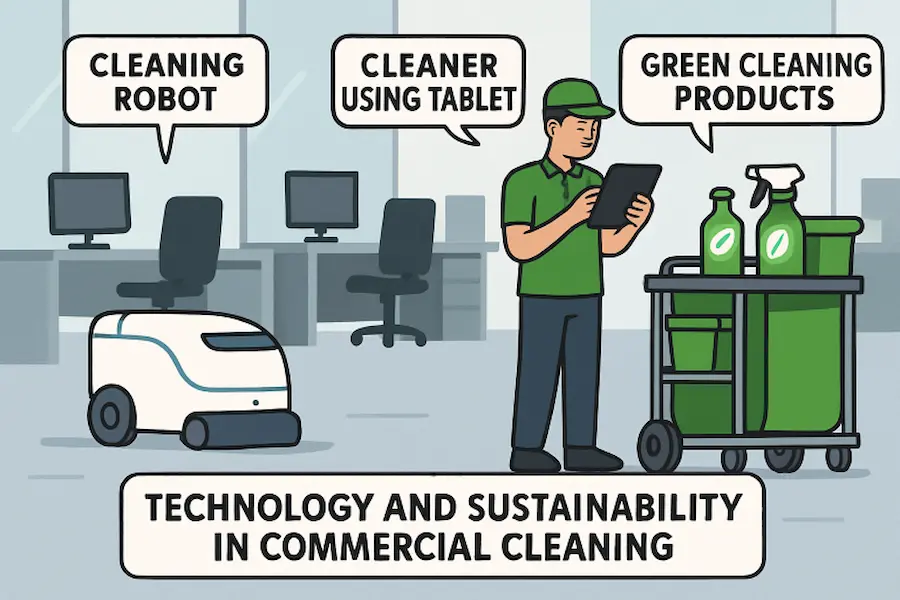
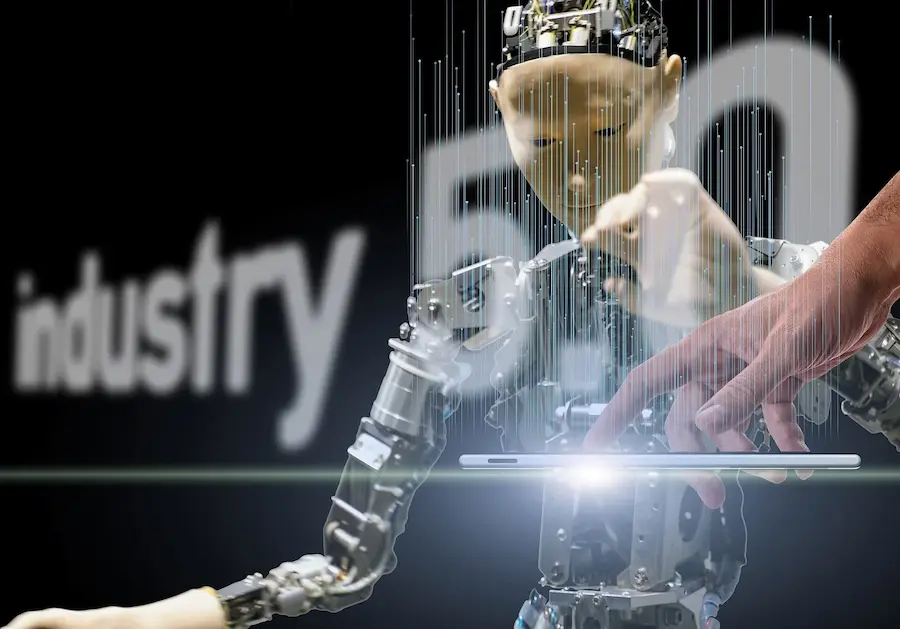
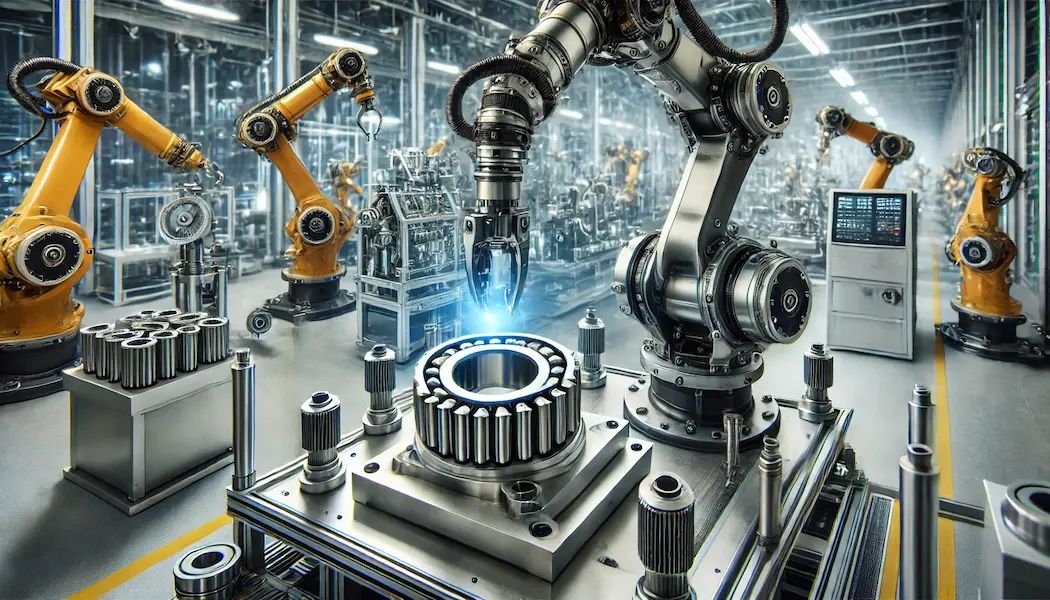
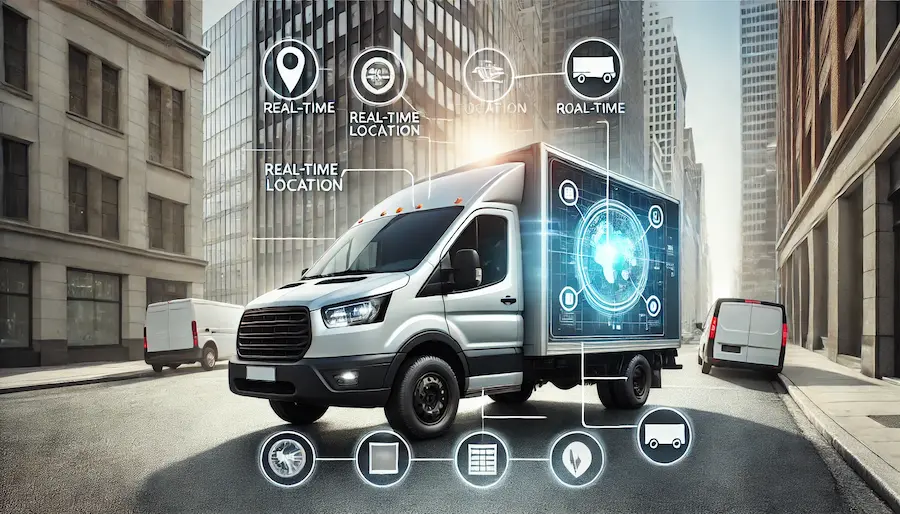
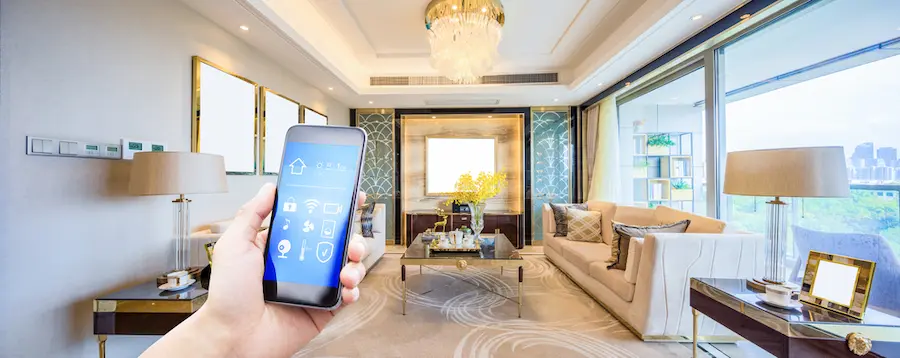
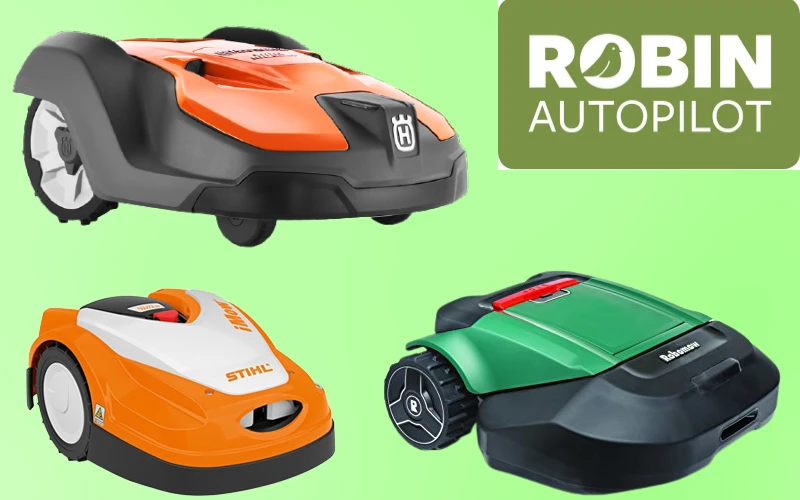
The integration of technology is at the core of next-generation commercial cleaning. Automated robots and IoT-based monitoring systems can perform repetitive cleaning tasks, monitor supplies in real time, and alert teams when high-traffic areas require immediate attention. These innovations enhance consistency and enable data-driven cleaning schedules, resulting in higher cleanliness standards and a more efficient use of labor and materials. According to Mark’s Cleaning Service, these tools are redefining how routine custodial duties are performed, offering measurable improvements in hygiene.
Green and Sustainable Cleaning Solutions
Sustainability remains a pressing concern for modern workplaces. Companies are increasingly selecting biodegradable, plant-based chemicals to limit environmental impact. In addition to using eco-friendly products, many organizations are adopting refillable packaging and aiming to reduce water and energy consumption during cleaning. These choices reflect both a responsibility to the planet and a proactive approach to employee safety, as they minimize exposure to harsh chemical odors and residues. According to the U.S. Environmental Protection Agency, green cleaning products play an important role in creating safe work environments.
Customized Cleaning Schedules for Hybrid Workplaces
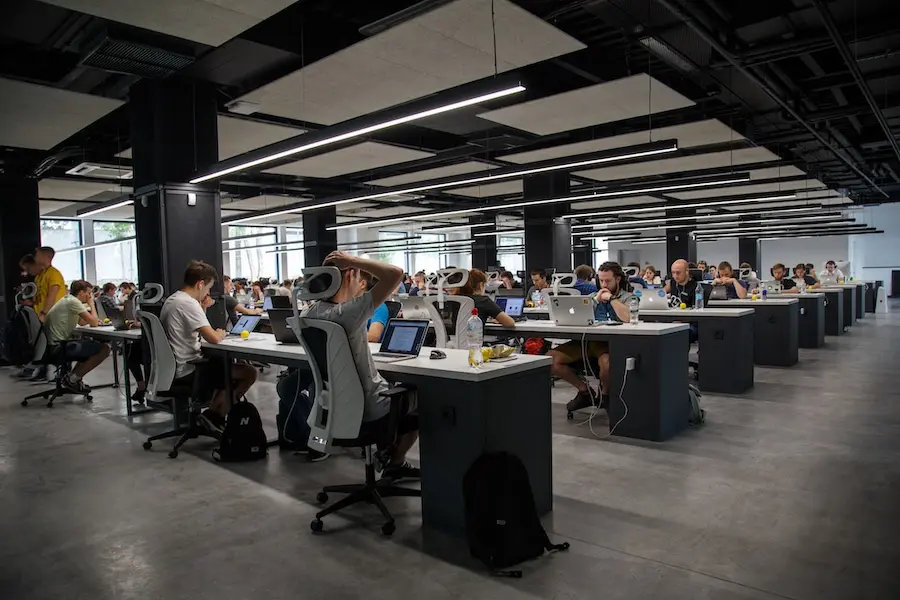
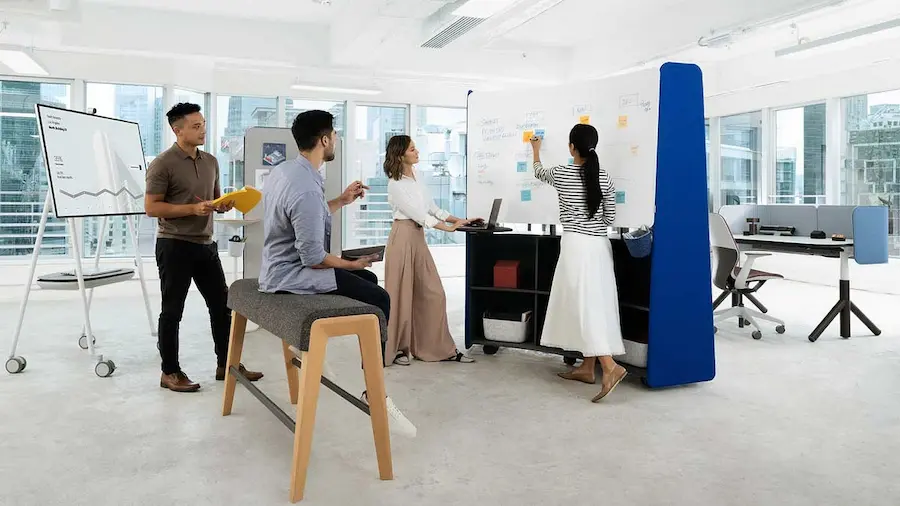
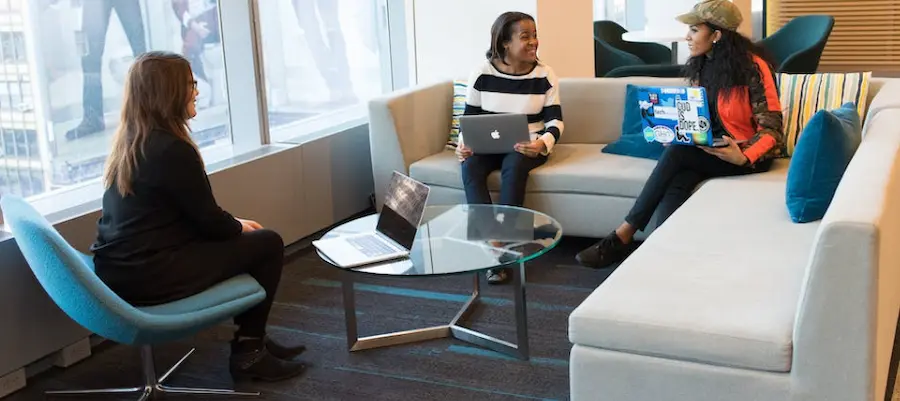
The norm of five-day, full-office attendance is shifting. Many organizations now operate with flexible schedules and variable occupancy rates, requiring more dynamic cleaning plans. Scheduling that matches actual usage ensures neither resources nor effort are wasted, and enables facility managers to prioritize high-traffic periods or frequently used rooms. A customized approach lowers unnecessary costs while upholding the highest hygiene standards, benefiting both employees and facility budgets.
Attention to High-Touch Surfaces
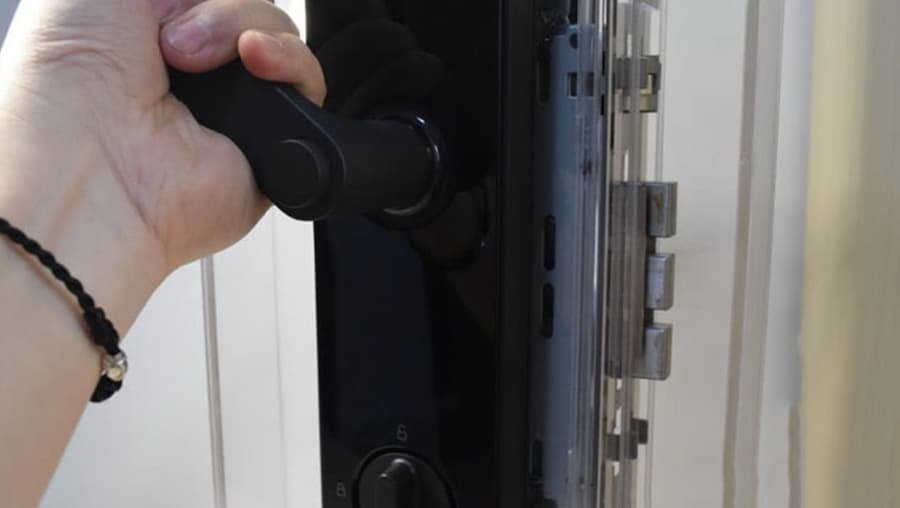
Frequently touched areas like door handles, banisters, elevator controls, and shared workplace equipment are high-risk points for germ transmission. Targeted attention to sanitizing these surfaces is essential to preventing illness and supporting public health initiatives. By deploying resources to these critical points during and after peak usage, businesses can actively reduce outbreaks and foster peace of mind for everyone on site.
Enhanced Air Quality Measures
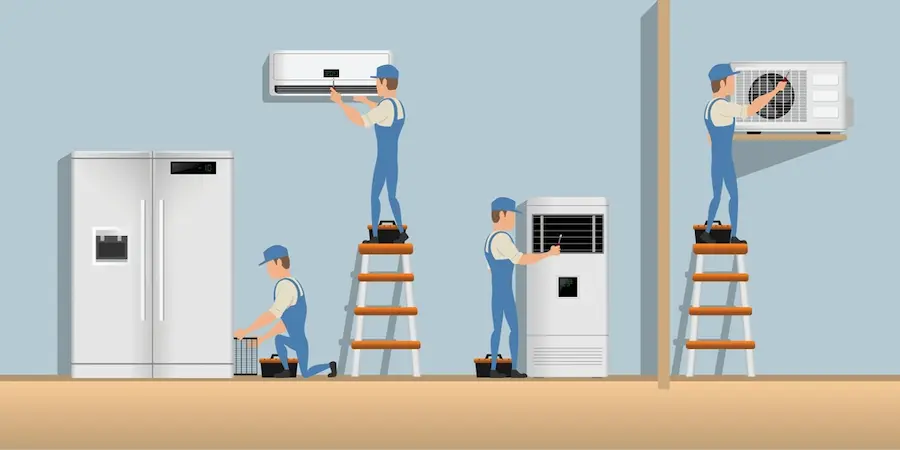
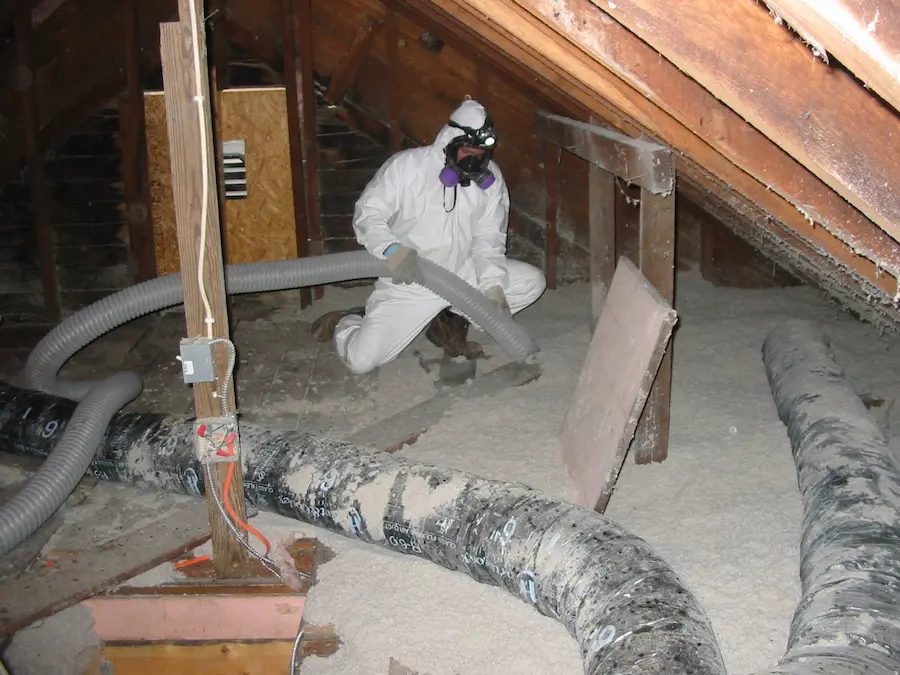
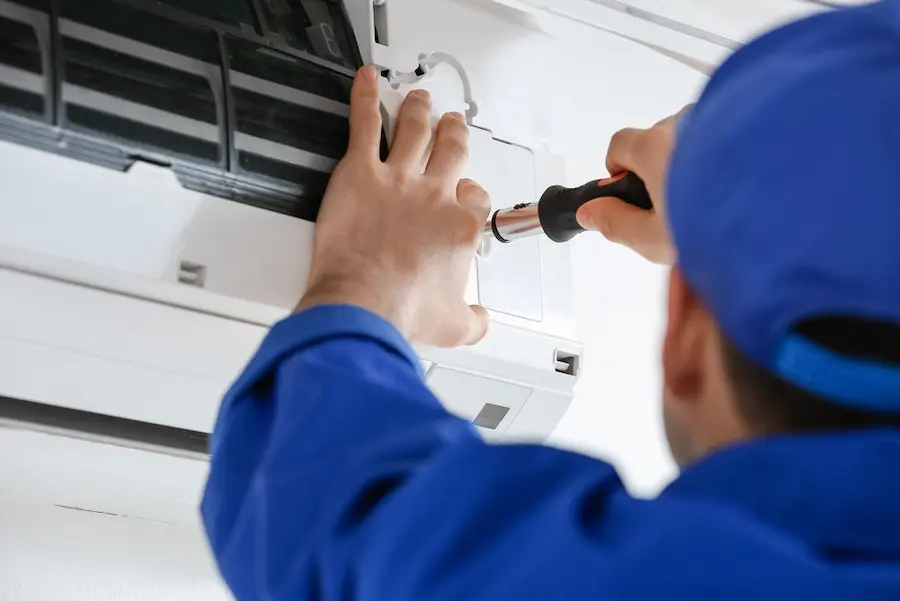
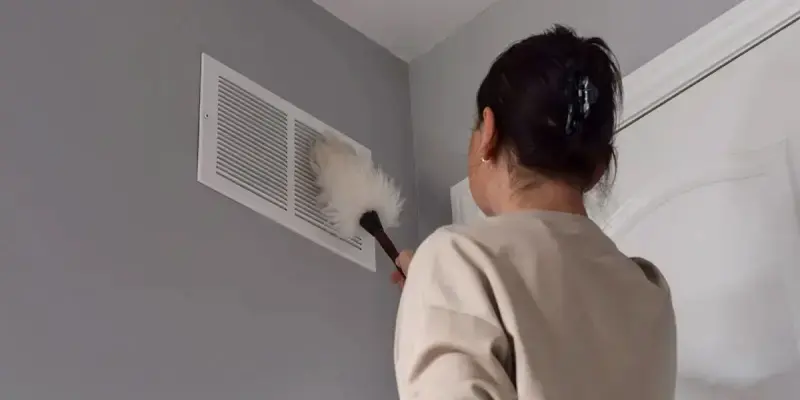
Clean air is fundamental to workplace health and productivity. Implementing HEPA filtration, scheduling HVAC system maintenance, and cleaning air ducts help minimize pollutants and airborne allergens. Enhancing airflow and reducing contaminants can improve employee concentration and reduce the risk of respiratory illness. Research from Time highlights the direct connection between air quality and overall well-being, demonstrating that these upgrades are an investment in workforce performance and satisfaction.
Data-Driven Quality Assurance
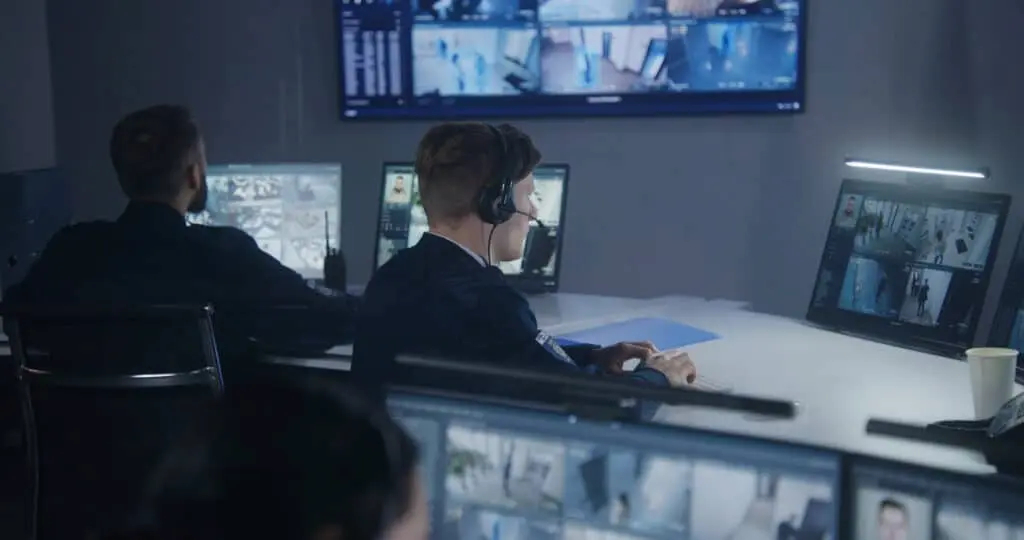
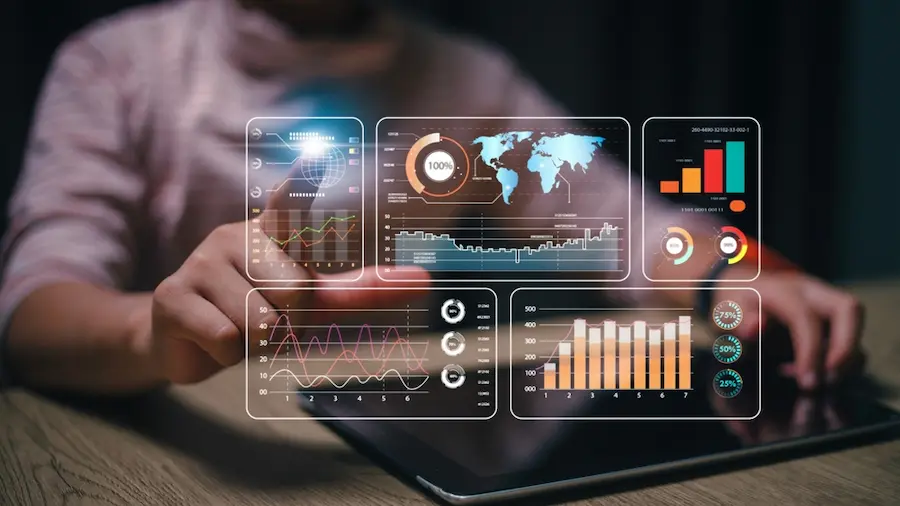
Digital tools bring accountability and quality assurance to commercial cleaning. Platforms that track completion, gather client feedback, and monitor performance in real time enable greater consistency and transparency. This use of data supports continual improvement: cleaning teams are informed of areas requiring extra attention, and facility managers receive immediate feedback, leading to faster problem resolution and higher standards.
Labor Efficiency Through Training and Technology
Recruiting and retaining skilled cleaning staff remain ongoing challenges for the industry. Technology-based training, such as mobile onboarding and Augmented Reality (AR) instruction, can streamline the learning process for new employees. Multilingual platforms also help reduce barriers and speed up onboarding for a diverse workforce. These advancements equip teams for success, reduce training costs, and promote job satisfaction and retention.
Increasing Demand for Specialty Cleaning Services
In addition to routine cleaning, businesses are seeking specialized services such as targeted disinfection, electrostatic spraying, and indoor environmental quality assessment. Expanding into specialty offerings allows cleaning professionals to tailor their work to the unique needs of every facility. This trend not only aligns with public health requirements but also enables cleaning companies to deliver added value and cater to a more discerning clientele.
Staying ahead of the curve in commercial cleaning is crucial for companies focused on employee health, productivity, and sustainability. Adopting these innovations can set businesses apart and ensure their workspaces remain healthy and thriving for years to come.






















































































































































































































































































































































































































































































































































































































































































































0