
Table of Contents
Why Fantasy Trilogies Hook Young Minds
There is something magnetic about a well built fantasy world spread across three books. A single novel can dazzle with its magic but a trilogy has space to breathe. Characters grow. Conflicts deepen. Stakes rise until the last page of the final book feels like standing on a cliff with wind whipping across the face. These stories become part of a teen’s routine as if they were old friends arriving after school every day.
Libraries both physical and digital brim with these sagas. For those exploring options it is simple to compare Z library by how many books it offers yet the measure of a trilogy lies not in its length but in how it lingers in the mind. Readers want stories that become memories not just time fillers. Fantasy trilogies give that gift more than any other format.
Worlds that Shape Identity
Fantasy at its best mirrors real life while cloaked in dragons and shadowy towers. A teen wrestling with choices might see themselves in the hero deciding between loyalty and freedom. Each volume marks a season of growth. Book one often feels like childhood with curiosity and wide eyes. Book two drags everyone into storms of doubt. By the last volume readers walk alongside characters who have matured into something braver or wiser.
This is why the trilogy structure works so well. It mirrors adolescence itself. Beginning with wonder moving through conflict and ending with hard earned clarity. It is a rhythm that feels familiar even if the setting is full of elves or airships. These works do not simply entertain they become roadmaps for facing the strange landscapes of real life.
Before moving further it is worth pausing to note three trilogies that stand out like landmarks on a long road:
- “His Dark Materials” by Philip Pullman
Pullman’s work dares to weave philosophy into an adventure about parallel worlds armored bears and daemons. The trilogy explores faith reason and love while still carrying the urgency of a chase scene. Teens read it for the spectacle but what keeps them hooked is the feeling that these questions matter. Even the youngest readers sense that the story is reaching for something larger than itself. The balance of action and reflection makes it one of the boldest trilogies in modern literature.
- “The Hunger Games” by Suzanne Collins
Though often called dystopian rather than fantasy this trilogy has the same pull of myth. Collins created a world that feels both ancient and frighteningly near. The games echo gladiator arenas while the rebellion recalls old tales of resistance. Katniss carries the weight of both personal survival and symbolic leadership. Teens connect to the raw edges of her choices. The books work because they never talk down. They hand young readers fire and ask them to decide what to burn.
- “The Broken Earth” by N K Jemisin
Jemisin’s series is complex but teens with a taste for challenge devour it. The land itself is fractured and dangerous echoing the broken relationships at its core. Narration shifts across time and voice forcing attention yet rewarding it with revelations that hit like thunder. It is rare for a trilogy to win every major award yet this one did for good reason. It shows that fantasy can be rigorous without losing its heart.
These stories prove that trilogies succeed not by filling pages but by creating echoes that last long after the final chapter. Each offers lessons hidden in spells and struggles.
The Role of Escapism and Belonging
Teens often stand between childhood and adulthood unsure where they fit. Fantasy trilogies offer a place to belong for a while. They provide a stage where battles are larger than life but emotions feel strikingly familiar. The act of diving into three connected books is itself a form of ritual. It becomes a safe harbor.
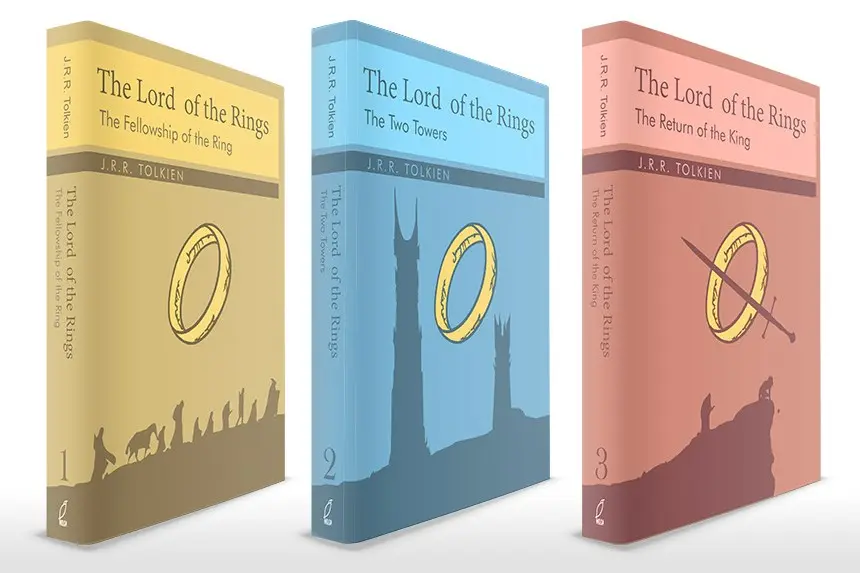
Escapism here is not about running away but about learning how to return with new eyes. Stepping into the Shire or Panem or a continent built on fault lines gives perspective. Problems at school or home may not vanish but they shift in size. The reader remembers that courage is possible even when the path is rough.
Why These Stories Endure
Trilogies endure because they respect the patience of their readers. They ask for time and give back something like a compass. Some trilogies fade after trends pass. Others stay on shelves generation after generation like old songs that never lose their tune. Teens who read them often return as adults to see the stories differently as if the books grew up with them.
The best fantasy trilogies do not simply tell tales of magic kingdoms. They shape the way people see struggle choice and hope. They stand as proof that stories can grow alongside their readers and still feel fresh even when the last page has long been turned.






































































































































































































































































































































































































































































































































































































































































































































































































































































































































































0