

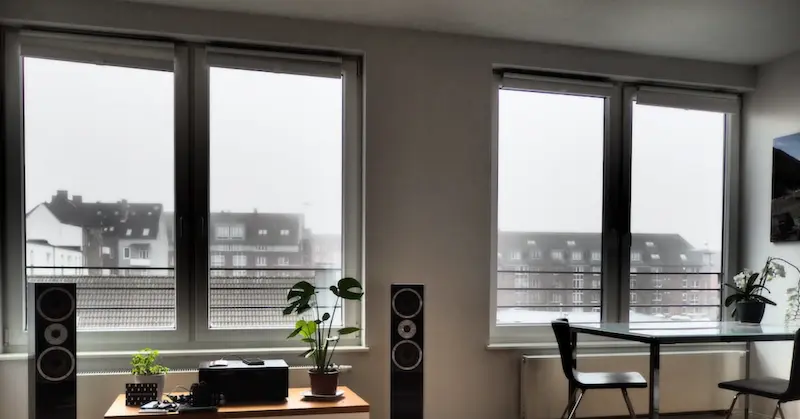
Windows not only provide your home with natural light and ventilation but also bring in beauty and character. Keeping them in good condition can improve comfort and energy efficiency, while also adding value to your property. Whether you live in an older home or a modern build, regular window maintenance is essential for longevity. If you are considering upgrading or replacing your windows, check out this helpful guide to San Antonio window replacement.
The longevity of your windows allows you to make prompt repairs and understand what each material needs. Homeowners who develop good window maintenance habits can save money on costly replacements and enjoy better indoor comfort year-round.
Table of Contents
Regular Cleaning
Dirt, grime, and debris can gradually cause significant damage to window components. To keep your windows in good condition, clean the glass and frames with a mild soap solution and a soft cloth at least twice a year. This prevents buildup that could scratch glass or damage sealants. Avoid using harsh chemicals or abrasive tools because they can degrade surfaces, especially on modern vinyl or aluminum frames.
Regular window cleaning not only maintains appearance but also gives you the opportunity to spot issues before they develop further. Clean windows enhance natural light, making your living spaces brighter and more inviting. Additionally, visibility through clear windows helps you better monitor outdoor conditions and maintain your home’s curb appeal. When cleaning, don’t forget the screens and sills; blocked drainage channels can cause water to pool, leading to rot or mold if left unchecked.
Inspect for Damage
Make it a habit to check your windows for signs of deterioration, such as cracks, chipping paint, gaps, or foggy glass. Catching issues early can save you from more expensive, larger repairs later. For example, even a small crack in a wood frame can allow moisture in, leading to rot. Regular visual inspections help you stay ahead of major repairs and can identify areas that need resealing, repainting, or professional attention.
Pay close attention to frames and corners, areas prone to weathering and movement over time. Early detection of damage prevents issues from spreading, helping you avoid the expense and hassle of future full window replacements.
Lubricate Moving Parts
Windows that open and close rely on hinges, locks, and tracks. These moving parts need lubrication to stay functional and prevent rust or corrosion. Use a silicone-based lubricant (rather than oil-based options that can attract more dust and dirt) on slide tracks and hinges every year, or whenever you notice resistance. Smooth operation also reduces the risk of damaging hardware or the frame.
Well-lubricated parts ensure your windows operate effortlessly and can even contribute to overall home safety, as stuck windows can pose challenges in emergencies. Establish a routine that includes lubrication as part of seasonal home maintenance, and address squeaky or sticking parts promptly to maintain reliability.
Maintain Seals and Caulking
Over time, seals and caulking around your windows may crack, peel, or shrink, allowing drafts and water to seep in. Inspect the weatherstripping and caulking at the start of both summer and winter. If you notice gaps, apply new caulking and replace worn-out weatherstripping materials to maintain an airtight seal. This not only extends your windows’ lifespan, but also helps lower energy bills by preventing heat loss.
Modern sealants are designed to last for years, but environmental factors, such as intense sunlight and heavy rainfall, can degrade them. If you live in a region with extreme seasonal changes, you may need to check seals more often to ensure uninterrupted efficiency.
Control Moisture and Condensation
Excessive moisture and persistent condensation are red flags. They can lead to mold growth, rot, and damaged window frames, especially in poorly ventilated areas. To minimize condensation, improve airflow by regularly using kitchen and bathroom exhaust fans and keeping furniture or drapes from blocking vents. For high-humidity homes, a dehumidifier can help keep indoor humidity below 50%. The Family Handyman offers extensive guides on addressing condensation issues.
When condensation repeatedly forms between panes of double- or triple-glazed windows, the insulating layer may be compromised and need professional attention. Preventing moisture problems where possible will safeguard your investment and support healthier indoor air quality for your family.
Protect Frames Based on Material
- Wood frames: Inspect for peeling paint or soft spots due to rot. Repaint or re-varnish every 3 to 5 years to protect wood from the sun and moisture.
- Vinyl frames: Clean them with soap and water several times each year. While vinyl resists moisture, dirt buildup can cause discoloration.
- Aluminum frames: Keep them dry and free from dirt. Check for signs of corrosion, especially near the joints, and use a mild metal polish to treat any trouble spots.
Each frame material has unique vulnerabilities, so tailor your maintenance routine accordingly. Weather exposure can affect materials in different ways, so use products and methods recommended by window manufacturers.
In addition to regular cleaning, consider applying protective finishes suited to each material. For example, wood preservatives extend longevity, while anti-corrosion sprays can help protect metal frames from oxidation. Taking these extra steps can further shield your windows from weather extremes such as heavy rain, frost, and UV rays.
Avoid Excessive Force
Operating windows with gentle care is crucial. Forcing a window open or shut can break seals, crack glass, or damage hardware. If you encounter resistance, stop and investigate rather than press further. Clean the tracks and lubricate if necessary before trying again. Taking this small precaution can prevent bigger, costlier failures down the line.
Additionally, damp or painted shut windows should never be forced; this commonly happens after storms or when exterior painting seals windows shut. Use a utility knife to gently break exterior paint seals rather than trying to force movement. If you consistently experience stuck or jammed windows, consult a professional to prevent recurring issues.
Schedule Professional Inspections
While DIY maintenance covers the basics, professionals bring an expert eye. By scheduling a window inspection every few years, you can catch hidden signs of failure, leaks, or deterioration that homeowners might miss. Professional window specialists can also assess energy-efficiency upgrades or safety issues. According to Better Homes & Gardens, periodic expert inspections are among the best ways to ensure long-lasting windows.
Professional inspectors can also evaluate your window’s fit and insulation, check for hard-to-detect air leaks, and offer advice about available repair solutions. Their assessments will give you peace of mind and ensure your home remains protected year after year.
With these maintenance tips, you can help your home’s windows last longer and perform as intended. Regular cleaning, timely repairs, and professional checks will preserve energy efficiency, enhance curb appeal, and keep repair bills under control. Stay vigilant and proactive, and your windows will reward you with years of trouble-free service.
































































































































































































































































































































































































































































































































































































































































































































































































































































































0