
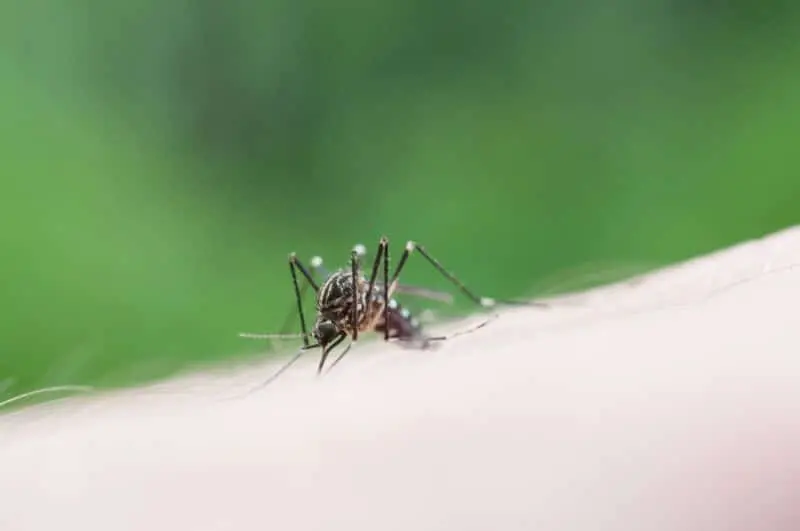
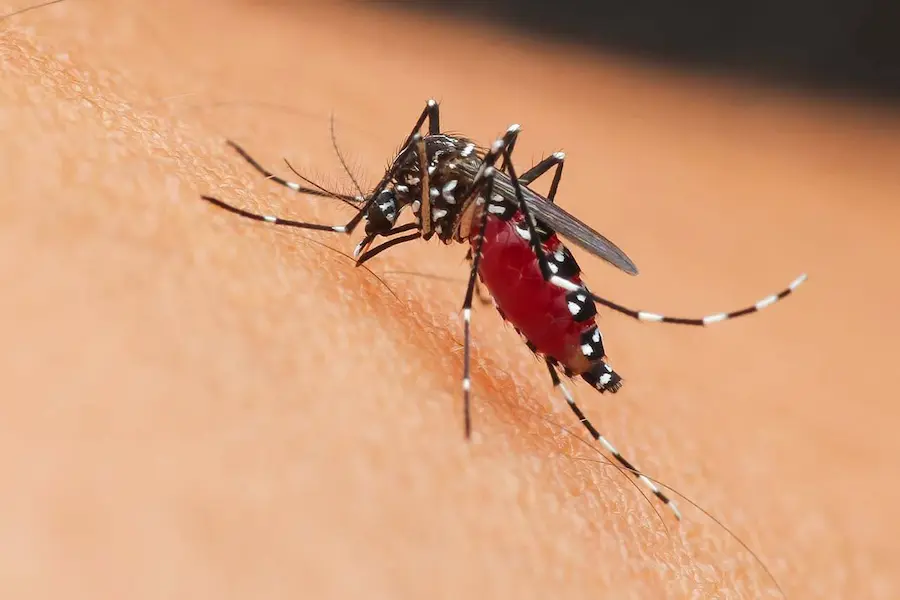
Mosquitoes are more than just a summer nuisance; they are vectors of serious diseases such as malaria, dengue fever, and Zika virus. Effective mosquito management is crucial for public health, economic stability, and ecological balance. This article explores integrative approaches to mosquito management, which combine multiple strategies for maximum efficacy and sustainability.
Table of Contents
Understanding Mosquito Behavior and Ecology
Before delving into control methods, it’s essential to understand mosquito behavior and ecology. Mosquitoes thrive in warm, humid environments and require standing water for breeding. Knowing this, we can predict and target their habitats both indoors and outdoors. Effective mosquito management begins with identifying and eliminating potential breeding sites, such as clogged gutters, plant saucers, and other areas where water collects.
Biological Control Methods
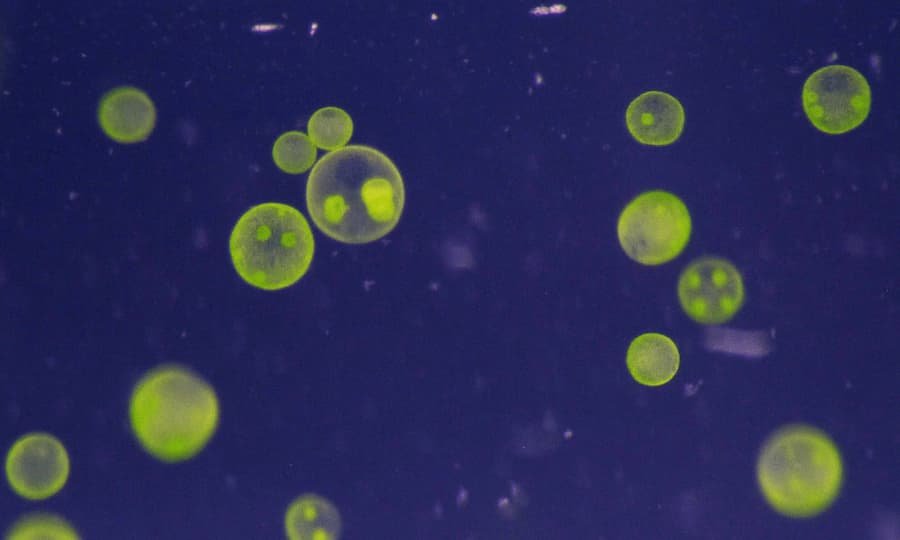
Biological control introduces natural predators or competitors to reduce mosquito populations. This eco-friendly approach can include the introduction of fish species like Gambusia affinis, which feed on mosquito larvae in water bodies. Additionally, using bacteria such as Bacillus thuringiensis israelensis (Bti) can target mosquito larvae without harming other non-target species.
Chemical Control: A Cautious Approach
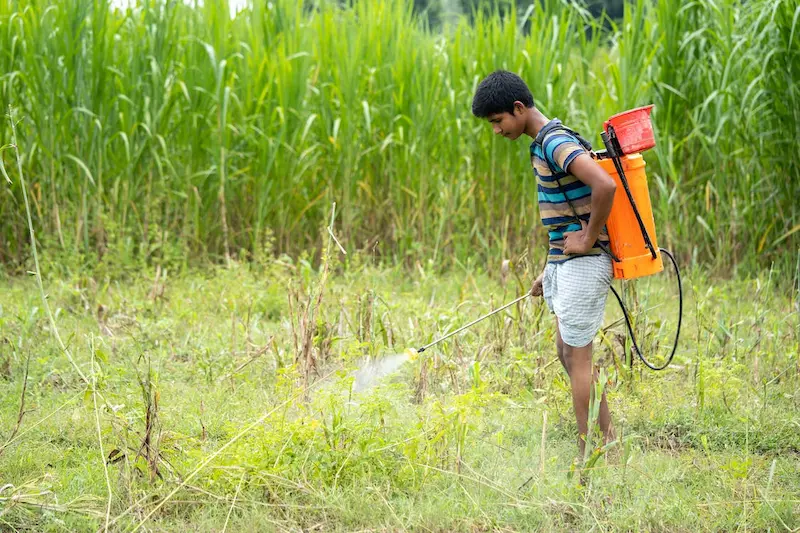
While chemical insecticides can be effective, they should be used judiciously to minimize environmental impact and resistance development in mosquito populations. Integrated Pest Management (IPM) advocates for the strategic use of chemicals, such as larvicides and adulticides, in conjunction with other control methods. For those seeking professional guidance, services such as Huntsville pest control can offer tailored solutions.
Physical and Mechanical Controls
Physical barriers, like window screens and bed nets, provide a simple yet effective means of protection against mosquito bites. In addition, using fans to circulate air can deter mosquitoes, which are weak flyers. For larger outdoor areas, mosquito traps that emit carbon dioxide can attract and capture these pests.
Community-Based Approaches
Community involvement is crucial for successful mosquito management. Public awareness campaigns can educate communities about the importance of removing standing water and maintaining clean environments. Collaborative efforts, such as neighborhood clean-up days, can significantly reduce local mosquito populations.
Innovations and Future Directions
Recent advancements in technology have opened new avenues for mosquito management. Genetic control methods, such as releasing genetically modified mosquitoes that produce non-viable offspring, show promise in reducing mosquito populations sustainably. Moreover, advancements in remote sensing and data analytics allow for better prediction and monitoring of mosquito breeding sites.
Conclusion
Integrative approaches to mosquito management involve a combination of strategies that emphasize sustainability and community involvement. By understanding mosquito ecology and employing a multifaceted approach, we can effectively manage mosquito populations while minimizing environmental impact. As technology advances, innovative solutions continue to enhance our ability to combat these persistent pests.


















































































































































































































































































































































































































































































































































































































































































































































































































































































































































































































0