

Driving a truck all day sounds easy until you actually do it. Sitting for hours, bouncing around over bumps, and trying to stay focused through it all—it can wear you down fast. By the end of the week, your back hurts, your legs feel weird, and everything just feels kind of off. Most people think that’s just part of the job. But the truth is, there’s one simple upgrade that can make a huge difference on long drives: the truck seat.
No, not a pillow or a seat cover. The actual seat itself. If you’ve been dealing with pain, tiredness, or just feeling drained after every drive, your seat could be the real reason why.
Table of Contents
Why the Seat Even Matters
Think about it—truck drivers spend more time in their seats than most people spend in their beds. That’s a big deal. And just like a bad mattress can ruin your sleep, a bad seat can mess with your body during the day.
A good seat isn’t just about feeling soft. It’s about supporting the right parts of your body so they don’t get tired too fast. If your seat has old foam, poor support, or no suspension, it’s making your muscles work harder just to keep you upright. And over time, that wears you down.
Modern truck seats are designed to reduce that pressure. Some even have air suspension, adjustable lumbar support, and special padding to spread out your weight. That means less bouncing, less soreness, and way more comfort on the road.
If you’re in Victoria and you’ve been thinking about upgrading, it’s worth checking out these truck seats for sale that are built for both comfort and support. It’s not just about looking fancy—it’s about feeling better at the end of every shift.
The Hidden Ways a Bad Seat Affects You
Most people don’t even realize what a bad seat is doing to them. They just think back pain is normal or that being tired after work is just part of life. But the seat you use every day affects way more than just your spine.
Here’s what a poor seat can cause:
- Back and neck pain: Without the right support, your spine is constantly under stress. That leads to soreness, stiffness, and even long-term problems.
- Leg numbness: If the seat presses against the back of your legs too much, it can mess with your circulation.
- Fatigue: When your muscles are always tensed up to keep you steady, it drains your energy way faster.
- Poor focus: Uncomfortable seats make it harder to stay alert, especially after hours of driving.
These problems don’t just feel bad—they can actually be dangerous. A sore, tired driver is more likely to make mistakes or react slower in traffic. So it’s not just about comfort. It’s about safety too.
What Makes a Great Truck Seat?
Not all seats are the same, and just buying a padded one isn’t enough. There are a few features that really matter when you’re picking a new truck seat.
- Suspension System
Good suspension helps absorb bumps in the road. Instead of your body taking all the hits, the seat does the work. Air suspension is especially good for smoothing out rough rides. - Lumbar Support
This helps keep the lower part of your back supported, so you don’t have to constantly shift around or lean to one side. - Adjustability
Every driver’s body is different. A seat that lets you adjust the height, angle, and armrests helps you find the exact setup that works for your body. That means better posture and less strain. - Quality Materials
Cheap seats wear out fast. Look for seats made with strong foam and breathable fabric. They last longer and feel better, especially during hot or long days. - Seat Width and Cushioning
If the seat’s too narrow or too flat, it’s going to be uncomfortable—no matter what else it has. Make sure it actually fits your body, not just the truck.
Real-World Benefits You Can Feel
When someone finally swaps out an old, beat-up seat for a high-quality one, the difference is clear. Even on day one, it feels smoother and easier to drive. After a week, people usually notice less pain. After a month, many say they feel less worn out at the end of each shift.
Some drivers even say they sleep better at night because their bodies aren’t so sore when they get home.
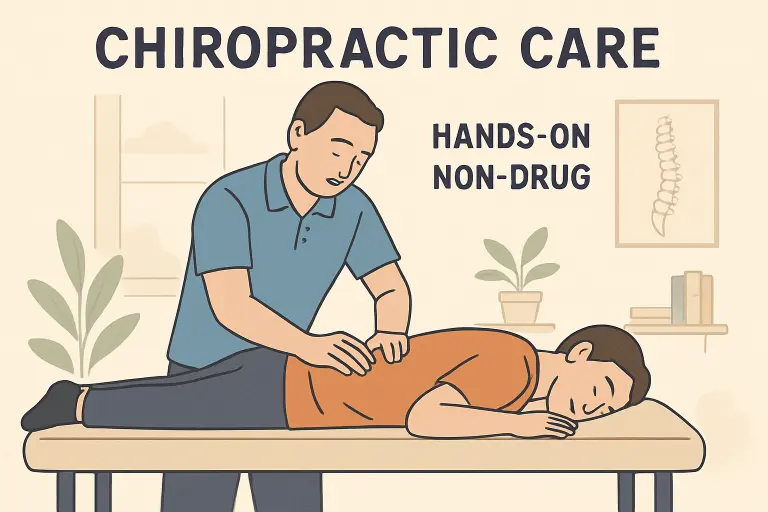
And while a good truck seat might cost more upfront, it actually saves money in the long run. There’s less need for painkillers, chiropractor visits, or taking time off because of soreness or injury. Not to mention—it just makes driving more enjoyable.
When Should You Replace Your Truck Seat?
Most drivers wait too long to change their seats. If the foam is worn out, the padding feels uneven, or the seat squeaks and bounces like crazy, it’s probably already past its best days.
Another big sign is if you’re always adjusting your position while driving. If you can’t sit comfortably for more than 15 minutes, something’s not right.
A good rule is to check your seat every couple of years—or sooner if you drive a lot. It’s not about replacing it just to upgrade. It’s about making sure your seat still does its job.
A Simple Change That Makes a Big Impact
Sometimes, people think they need a full truck upgrade to feel better on the road. But honestly, switching out the seat can make just as much of a difference. It’s the one part of the truck you’re always in contact with, hour after hour. If it’s not working for you, everything feels harder.
Upgrading your seat doesn’t need to be a big project either. Many modern seats are made to fit straight into popular truck models with little to no extra work. And once it’s in, you’ll wonder why you didn’t do it sooner.
Quick Recap Before You Hit the Road
Long drives don’t have to be exhausting. If your truck seat isn’t supporting you properly, it’s time to do something about it. A better seat can help:
- Cut down on soreness and fatigue
- Keep your posture in check
- Improve focus and reaction time
- Make every drive smoother and more comfortable
It’s one of the easiest upgrades with the biggest payoffs.
So next time you climb into your truck and feel that familiar ache starting up, remember: it might not be you—it might just be the seat.

































































































































































































































































































































































































































































































































































































































































































































































































































































































































































0