
According to the U.S. Bureau of Labor Statistics, over 30% of workplace injuries involve strains, sprains, or tears caused by overexertion, particularly from lifting. Meanwhile, more than one million workers suffer back injuries annually, making it one of the leading causes of missed workdays.
Lifting injuries are one of the most common—and preventable—workplace and everyday injuries, affecting millions of people each year. Whether you’re lifting heavy equipment on a job site, moving boxes at home, or even carrying groceries, improper technique can lead to serious musculoskeletal damage.
If you sustain lifting injuries at their job sites, you need to get medical help immediately, and you must notify your supervisor about the accident. Repetitive lifting injury lawyer Abel Hernandez explained that workers who neglect their injuries and continue working while suffering from pain will experience worsening health problems.
Fortunately, there are effective solutions to decrease the probability of sustaining injuries during lifting activities. Let’s break down five methods that will assist you in maintaining your physical health.
Table of Contents
Proper Lifting Techniques
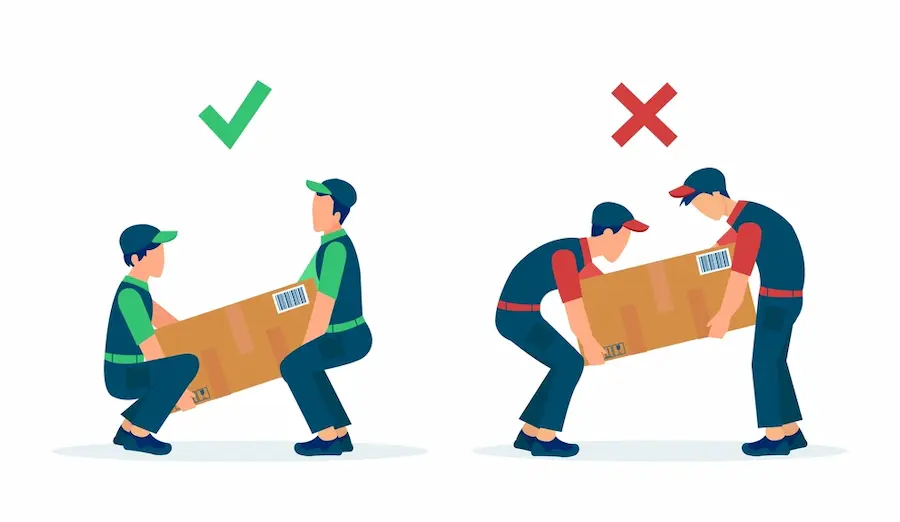
Proper handling techniques protect workers from sustaining injuries. People should keep their backs straight and bend their knees when they need to lift heavy items. This method allows you to lift safely because it protects your back from potential injuries.
You should maintain proper control of the object by keeping it near your body. Your body should remain facing forward while you lift because twisting your body can cause strains and sprains. You need to pivot your feet because this movement serves as a way to turn your body.
Your leg muscles need to lift the weight, while your back acts as support.
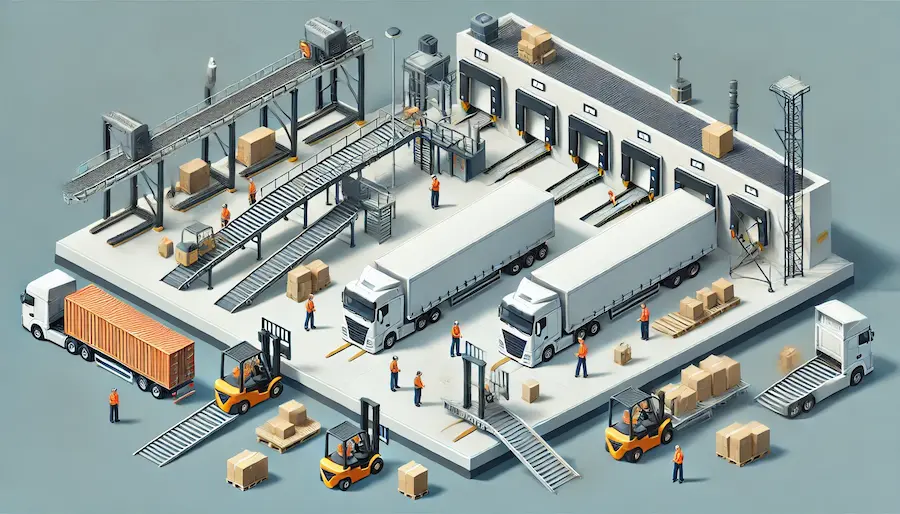
Workers should request assistance or use tools like dollies and forklifts when they encounter objects that they cannot lift by themselves.
You should listen to your body signals while taking breaks. You need to take a break from work whenever you start to feel tired or experience pain. The proper lifting techniques help people avoid lifting-related injuries while they maintain their safety.
Utilizing Lifting Equipment
The equipment needs proper use and safety training for effective operation to keep users safe from harm. The user manual needs to be read first because it contains all necessary information about correct equipment operation.
The manual provides essential information that shows users how to operate equipment in the right way. The manufacturer specifies weight limits and load capacities, which users must observe. Equipment overloading creates hazardous conditions that lead to both accidents and equipment failures.
You must conduct an equipment inspection before you can operate the equipment. The examination should identify any signs that show the equipment has been worn or damaged or its parts have become loose.
You need to report any equipment problems that you discover to your supervisor or maintenance staff before using the equipment. The manual provides recommended techniques and guidelines, which you need to follow when using the lifting equipment. The operator must use proper attachments or accessories to secure loads, which prevent shifting during lifting operations.
The worker must use all necessary personal protective equipment which includes gloves and safety glasses, to safeguard against hazards and must not leave equipment operating without supervision.
Strengthening Core Muscles
Numerous exercises exist that you can include in your exercise program to develop your core muscles. Plank exercises enable workers to build core strength through simultaneous activation of multiple core muscles. The correct execution of a plank exercise starts when a person assumes a push-up position while supporting their body weight with their forearms.
The exercise requires you to maintain a straight position from your head to your toes for as long as you can. The three exercises—Russian twists, bicycle crunches and bird dogs—will help you to develop your core muscles according to their actual strengths.
You must combine the practice of proper core exercises with maintaining good posture throughout the entire day. Core strength declines when people develop a slouched or hunching posture because it reduces their core muscle ability to support their body during lifting. The exercise requires you to sit and stand correctly by maintaining spinal neutrality and shoulder retraction.
Implementing Regular Stretching Routines
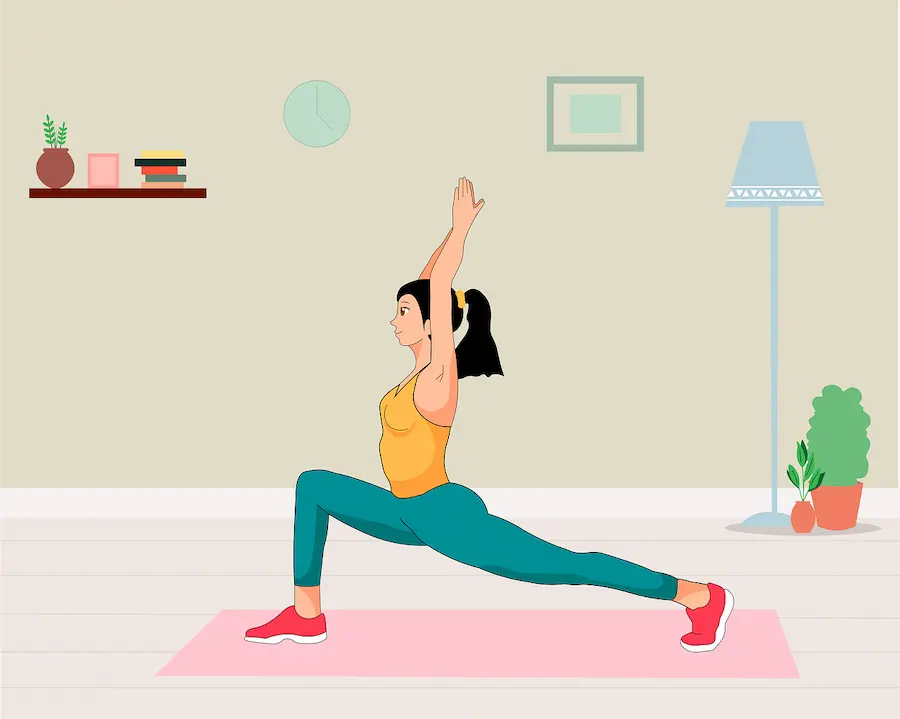
You need to warm up your muscles before you start weightlifting activities. Dynamic stretching, which includes arm circles and leg swings, helps your muscles warm up by increasing blood circulation to them. The system provides two, which include performance enhancement and injury risk reduction. Your training should concentrate on strengthening your back together with your shoulder and hip and leg muscles.
Your flexibility will be enhanced through regular practice of stretching exercises, which require you to hold each stretch for 20 to 30 seconds. People need to understand that stretching should occur without causing any discomfort.
You should stop stretching whenever your body begins feeling pain or discomfort because this will help you avoid further injury. Remember to perform your post-lifting session stretch exercises.
The process will help you release any muscular tightness that built up throughout your exercise session. Static stretches, which include toe touches and quad stretches, help your muscles recover while they also stop you from getting post-exercise stiffness.
Listening to Your Body’s Limits
The first way to understand your physical restrictions is to monitor your pain levels during your lifting sessions. The presence of sharp or shooting pain indicates that you must stop your activities to take a rest period. The practice of pushing through pain will result in severe injuries that should have been prevented.
You need to observe your body’s signs of weakness and fatigue to maintain your physical boundaries. Weight lifting becomes difficult for you when your body needs rest after lifting multiple times. Your body will reach dangerous limits when you continue working despite your body’s signals that you need to rest.
Your body needs you to watch both its physical appearance and its movement patterns. The moment your body shows signs of decreased ability to lift weights, you should stop exercising until you can improve your performance.
Your body will experience extra stress, which will result in higher chances of getting injured when you continue lifting weights with incorrect body positioning.
Conclusion
Following proper lifting techniques can prevent injuries. The first step for you to take involves using all required tools, which need to be used at that moment, while you should develop your core muscles through training. People should make stretching a regular practice but they need to pay attention to their physical boundaries.











































































































































































































































































































































































































































































































































































































































































































































































































































































































































0