
Table of Contents
Key Takeaways
- Vital evidence from truck accidents can disappear rapidly, impacting legal outcomes and the ability to secure fair compensation.
- Critical data such as electronic records, surveillance footage, and physical evidence must be preserved as soon as possible.
- Legal tools like spoliation letters can play a significant role in ensuring evidence is retained.
- Consulting with experts early can help protect your rights and build a stronger case.
Table of Contents
- Why Immediate Evidence Preservation Matters
- Key Types of Evidence That Can Disappear Quickly
- The Role of a Spoliation Letter
- Steps to Preserve Evidence After a Truck Crash
- Conclusion
Why Immediate Evidence Preservation Matters
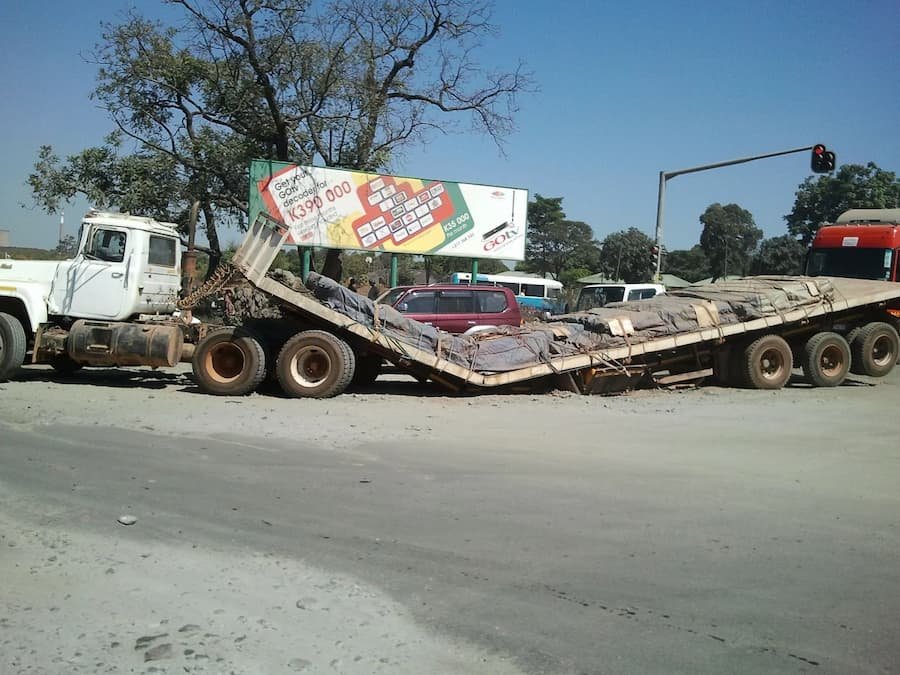
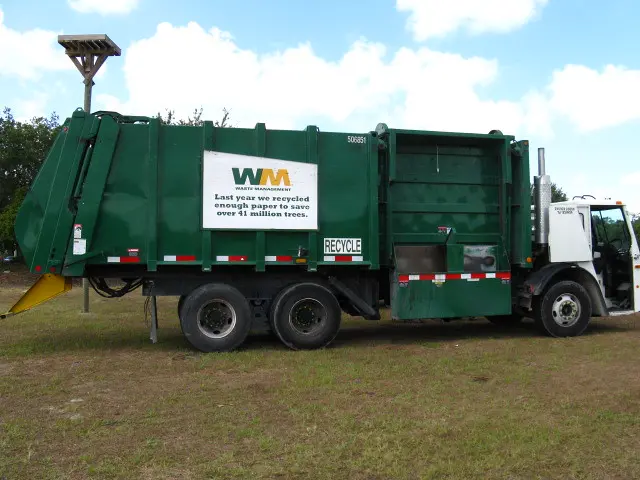
After a truck collision, the process of gathering and safeguarding evidence must begin as soon as possible. With truck crashes often involving complex scenarios and multiple parties, any delay in action can create opportunities for essential information to vanish or be destroyed. Trucking companies may hold most of the crucial data, making prompt intervention critical for those seeking justice or compensation after such events.
For those affected, moving quickly after a truck accident is not simply a precaution but a necessity. Immediate steps to secure key details can significantly strengthen a case. Otherwise, parties risk losing the chance to prove negligence, safety violations, or even identify all liable entities.
Truck accident cases often involve much higher stakes than standard auto crashes due to larger vehicles, greater damage, and more complex insurance policies. Key evidence, from vehicle data to witness statements, is time-sensitive and may be lost intentionally or unintentionally if swift action is not taken.
Insurance companies representing trucking firms may also move rapidly to reduce their liability. Failing to act promptly can disadvantage accident victims, underscoring the importance of understanding the significance of each type of evidence and how quickly some can disappear.
Key Types of Evidence That Can Disappear Quickly
Electronic Control Module (ECM) Data
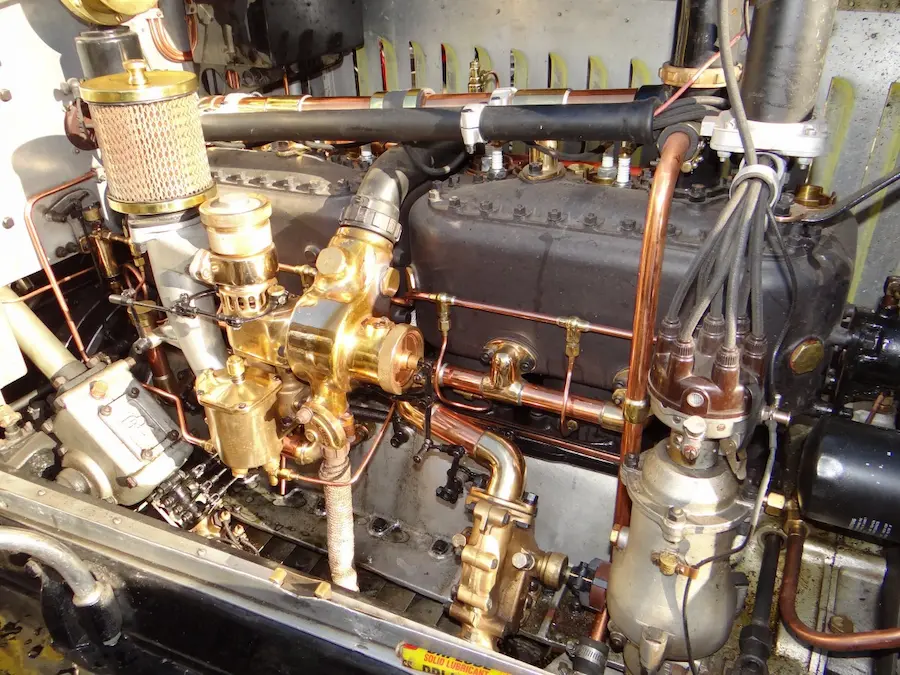
Modern commercial trucks are equipped with ECMs that continually record valuable metrics such as speed, brake usage, and engine status. However, this data is not stored indefinitely. It can be overwritten in a matter of days as the vehicle returns to service, making prompt collection essential.
Driver Logs and Electronic Logging Devices (ELDs)
Federal Motor Carrier Safety Administration (FMCSA) rules require truck drivers and companies to maintain records of hours of service. These logs, whether electronic or handwritten, must be kept for only a limited period (sometimes as little as 6 months). If not preserved, they may be destroyed under the regulations, and critical details about driver fatigue or rule violations may be lost.
Physical Evidence at the Scene
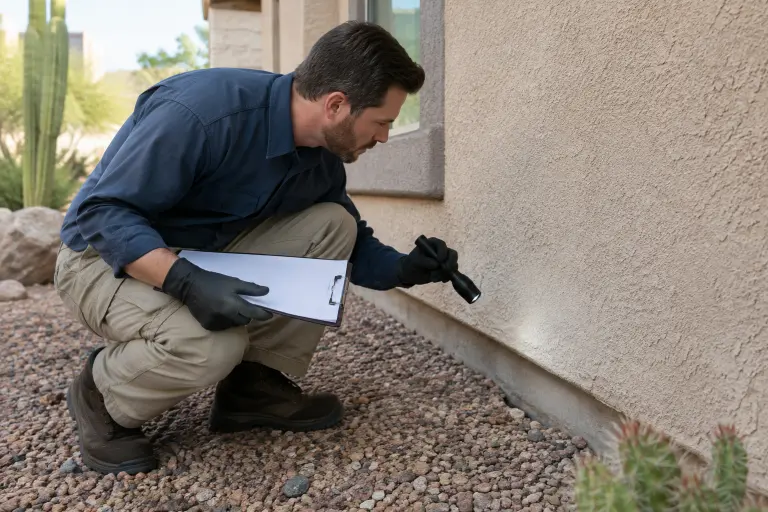
Skid marks, debris, fluid spills, and even shattered glass tell an immediate story about how a crash unfolded. However, cleanup crews, weather, and ongoing traffic may quickly erase or disturb this evidence, often within hours of the accident.
Surveillance and Dashcam Footage
Footage from business security cameras, traffic monitors, and vehicle dashcams can provide invaluable perspectives on what transpired. Yet most systems operate in a loop, overwriting old recordings within several days unless a specific request is made to preserve them.
The Role of a Spoliation Letter
One of the most effective measures to prevent evidence from being altered or destroyed is to issue a spoliation letter. This formal notification puts the trucking company, insurance providers, and other relevant parties on legal notice to retain all evidence connected to the crash. A spoliation letter can attach significant legal consequences for willful destruction or failure to preserve requested material records, leveling the playing field for individuals seeking justice against larger entities.
Legal experts in trucking litigation recognize the significance and function of this tool, aiding trucking companies in meeting evidence retention obligations.
Steps to Preserve Evidence After a Truck Crash
- Document the Scene: If possible, take clear, comprehensive photos of the vehicles, the crash site, the conditions, and any visible injuries or property damage.
- Gather Witness Information: Collect names, contact details, and statements from anyone who witnessed the accident. Witness memories can fade rapidly, so capturing this information promptly is critical.
- Seek Medical Attention: Even if injuries appear minor, a medical evaluation will document your condition and serve as an important record for any future legal or insurance claims.
- Consult an Attorney: Work with an attorney experienced in truck accident cases. They can coordinate evidence gathering, issue a spoliation letter, and manage communications with various parties to protect your interests.
Conclusion
Preserving evidence swiftly after a truck accident is a foundational step for anyone caught in such an event. The narrow time window to act can shape the entire trajectory of your case. Prompt, organized action, supported by knowledgeable professionals, protects your legal rights, strengthens your case, and improves your chances of a fair outcome. Prioritize gathering and securing all available evidence to ensure critical details do not slip away.






















































































































































































































































































































































































































































































































































































































































































































































































































































































































































































0