
Table of Contents
Table of Contents
- Comparative Negligence in Nevada
- Statute of Limitations for Personal Injury Claims
- Caps on Non-Economic Damages
- Insurance Requirements and Their Impact
- Recent Legislative Changes Affecting Personal Injury Claims
- Importance of Legal Representation
- Conclusion
If you or a loved one has been involved in an accident in Nevada, understanding the state’s fault laws is vital to navigating the path toward fair compensation. Nevada’s regulations determine how liability is shared, who can seek damages, and the amount of compensation that may ultimately be awarded. Whether you’re dealing with a car accident, slip and fall, or medical malpractice, the intricacies of Nevada law can make or break your case. For trusted guidance through this process, blakefriedmanlaw.com offers experienced legal support to help protect your rights and maximize your recovery.
Nevada’s approach to personal injury claims centers around the concepts of comparative negligence and strict deadlines for action. If these laws aren’t carefully followed, you risk missing out on the compensation you deserve. The most recent legislative changes are designed to expedite case management and better protect accident victims, making it more crucial than ever to understand the landscape before proceeding with a claim.
Comparative Negligence in Nevada
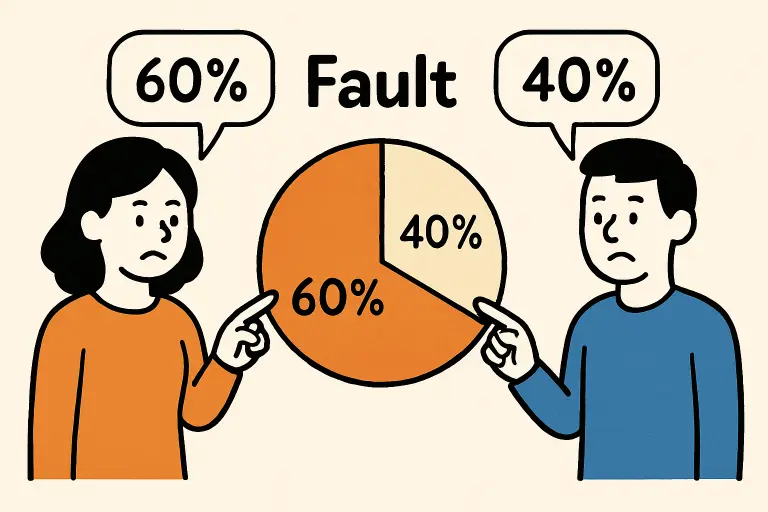
Nevada’s modified comparative negligence law is foundational in personal injury cases. If you are partially at fault for an accident, your compensation is reduced by your share of blame. However, if you are found to be at least 51% responsible for the incident, you are prohibited from recovering any damages at all. For example, if the court finds that you are 40% at fault in an accident that resulted in $100,000 worth of damages, you would only receive $60,000.
This legal framework makes determining fault an especially crucial part of every personal injury case in Nevada. Plaintiffs and defendants alike rely on thorough investigations, accident reconstructions, and persuasive legal arguments to ensure that fault is assigned accurately. The doctrine incentivizes careful and responsible behavior by all parties, as the risk of losing compensation is significant if one’s share of blame is too large.
Statute of Limitations for Personal Injury Claims
The timing of your claim is just as important as the determination of fault. Nevada imposes a two-year statute of limitations for most personal injury actions, measured from the date of injury. Failing to file a lawsuit within this period typically results in a permanent loss of your right to seek damages, regardless of the merits of your case. This strict deadline is designed to ensure fairness, preserve evidence, and prevent stale claims from burdening the courts.
There are notable exceptions, such as claims by minors or cases where the injury was not immediately discovered. For minors, the two-year period does not begin until they reach the age of 18. Such nuances underscore the importance of consulting with an experienced attorney early in the process, so critical deadlines are not missed.
Caps on Non-Economic Damages
Some personal injury cases face restrictions on the amount of money that can be awarded for damages that aren’t easily quantifiable, such as pain, suffering, and emotional distress. As of 2025, Nevada law caps non-economic damages for medical malpractice claims at $510,000, with annual adjustments for inflation. For other types of injuries—such as those resulting from premises or vehicular accidents—there are no statutory limits, giving juries broader discretion. Learn more about damage caps in Nevada personal injury cases.
Caps on damages are often contentious. Proponents argue they control insurance costs and prevent runaway verdicts, while critics contend they can prevent victims from being made whole. These limits arise from legislative efforts to address both public policy goals and pressure from insurance and medical groups.
Insurance Requirements and Their Impact
Nevada’s lawmakers have steadily increased the minimum required insurance coverage for drivers. As of 2024, all drivers must have at least $25,000 per person and $50,000 per accident for bodily injury, and $20,000 for property damage. Higher coverage requirements mean more protection for victims in most car accidents, as insurance is often the main source of recovery.
For individuals involved in an accident with underinsured motorists or those without adequate insurance, these laws are especially important. They ensure that basic needs are met and that victims aren’t left to shoulder the full costs of an accident that wasn’t their fault. Still, even with these minimums, actual costs may exceed available coverage, and uninsured accident rates remain a concern. According to the Insurance Information Institutdeter023, 15.4% of motorists were uninsured, highlighting the importance of adequate insurance coverage. Read more about uninsured motorists statistics.
Recent Legislative Changes Affecting Personal Injury Claims
Nevada’s legislature frequently revisits personal injury laws in response to emerging challenges and to reduce case backlogs. Notably, the 2025 session enacted Senate Bill 258, which altered the handling of workers’ compensation liens in these cases. This shift means that settlements may now be calculated differently, as liens could primarily reduce the amount ultimately paid out to injured parties.
The legislative updates also include faster timelines for essential procedures, such as fundamentalation, which can help minimize delays and expedite the resolution of claims. Anyone involved in a personal injury lawsuit should remain aware of these developments, as they may impact the strategy and potential outcomes of their case.
Importance of Legal Representation
The complexities of Nevada’s personal injury laws make professional guidance imperative. A skilled attorney’s role goes beyond paperwork—they provide critical advice on navigating comparative negligence arguments, gathering evidence before deadlines, negotiating with insurance companies, and representing clients at trial if necessary. Legal professionals also ensure that no procedural missteps undermine your case and that you receive every benefit permitted under law.
Hiring an attorney can mean the difference between a denied claim and a significant settlement. This is particularly true in cases involving multiple parties, severe injuries, or disputed liability percentages.
Conclusion
Nevada’s personal injury laws are designed to strike a balance between fairness, accountability, and access to justice for accident victims. Key rules governing comparative negligence, statutory deadlines, capped damages, and insurance minimums can all affect your ability to recover compensation. By staying informed and seeking capable legal counsel, individuals injured in Nevada can maximize their chances of achieving a positive resolution to their personal injury claim.





























































































































































































































































































































































































































































































































































































































































































































































































































































































































































































































0