
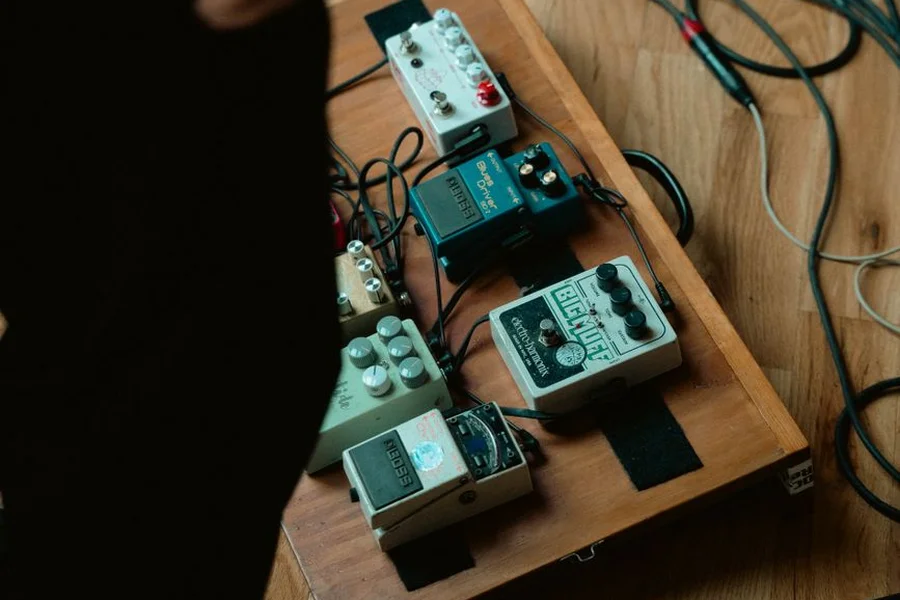
Sustaining notes cleanly is one of the most expressive techniques a guitarist can master. Unlike pianists who rely on a mechanical damper pedal to let strings ring out freely, guitarists face physical limits as vibrating strings naturally lose energy. Setting up a dedicated sustain pedal guitar rig unlocks singing lead lines, velvety clean chords, and mesmerizing ambient soundscapes.
Table of Contents
What Is a Sustain Pedal for Guitar?
A sustain pedal for guitar is an effects stompbox designed to extend the audible duration of plucked notes and chords without requiring high-gain distortion. While keyboardists use momentary foot switches to lift physical dampers, guitarists use specialized electronic audio processors to maintain signal volume as string vibrations decay. From what we’ve seen across modern pedalboard setups, these devices fall into two primary categories: analog compressor sustainers and digital freeze hold pedals.
Compressor sustainers smooth out your playing dynamics by evening out pick attacks and gently boosting fading notes. In contrast, modern hold pedals capture a digital snapshot of your chord and loop it seamlessly in real time to create an organ-like background pad. According to technical gear reviews on Premier Guitar, adding dedicated sustain effects gives electric guitarists expressive dynamic control similar to bowed string instruments.
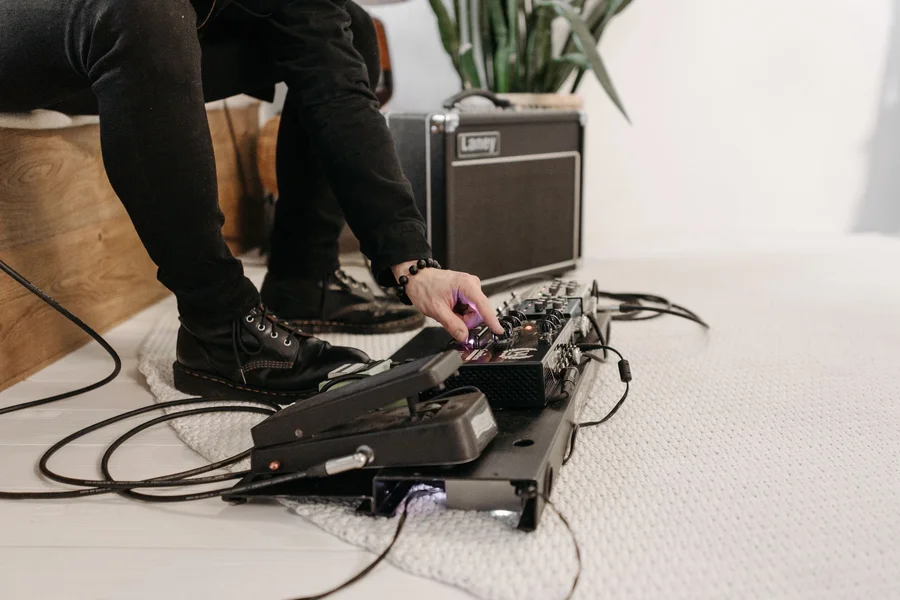
How Compressor and Sustainer Pedals Work
Analog sustain pedals operate on the principle of dynamic range compression. When you strike a string with your pick, the initial transient spike is strong and loud; as the string slows down, the audio signal quickly fades below audible levels. A compressor sustainer detects this drop-off and automatically boosts the output gain, keeping the note ringing at a consistent volume.
Most classic units feature dedicated knobs for attack and release, level, and sustain intensity. The attack control determines how fast the pedal grabs your initial pick strike, allowing you to preserve percussive snap before the sustain circuit engages. Exploring unique guitar tones and modern audio manipulation techniques is an exciting creative journey, similar to the sonic experimentation explored in our analysis of psychedelic music production, synthesizer tones, and studio guitar effects.
Top Guitar Sustain and Freeze Pedals
Several iconic pedals have defined the standard for guitar sustain over the past several decades. The legendary Boss CS-3 Compression Sustainer remains an industry workhorse, offering precise EQ controls and long-lasting note decay for country chicken-picking and fluid blues solos. For players who want transparent optical compression that preserves their instrument’s organic character, the Keeley Compressor Plus is another celebrated choice.
On the ambient front, the Electro-Harmonix Freeze sound retainer revolutionized live solo performance. Stepping on its momentary footswitch freezes your chord into an infinite sustain drone, allowing you to improvise melodic leads over the top. According to instrument guides on Sweetwater Sound, pairing a freeze pedal with modulated delay pedals produces expansive acoustic pads that fill out three-piece band arrangements effortlessly.

Infinite Sustain and Ambient Hold Pedals
Modern guitarists often seek continuous, keyboard-style hold effects rather than traditional compression. new pedals like the Gamechanger Audio Plus Pedal use real-time audio sampling algorithms wrapped in a brass piano-style foot pedal. This design lets you fade chords in and out using familiar piano technique, transforming an electric guitar into an atmospheric synthesizer.
Handheld electromagnetic drivers like the EBow offer another route to endless sustain by vibrating the guitar string directly with a focused magnetic field. Whether using stompboxes or magnetic accessories, learning how to manipulate sustained overtones opens up remarkable creative possibilities. In practice, blending clean sustain with subtle vibrato produces cello-like swelling textures that captivate listeners.
Pedalboard Placement and Dialing In Your Tone
Proper signal chain placement is essential to keeping your tone articulate and quiet. In general, compressor and sustain pedals belong at the very beginning of your pedalboard, positioned immediately after your tuner pedal and before any overdrive or fuzz units. Placing your sustainer early ensures it processes a pure, uncolored guitar signal before additional gain stages add coloration.
A common myth among guitarists is that cranking the sustain knob to maximum always yields better tone. The reality is that extreme compression settings significantly raise your audio noise floor, amplifying background hum from single-coil pickups and noisy patch cords. Proper cable management, isolated power supplies, and regular equipment care keep your rig noise-free, following the sensible maintenance habits discussed in our guide on preventative gear maintenance, audio electronics care, and avoiding costly repairs. Setting your sustain control between ten and two o’clock delivers generous note duration while keeping unwanted hiss completely in check.
Frequently Asked Questions
Can I plug a standard keyboard sustain pedal into an electric guitar?
No, standard keyboard sustain pedals are simple electronic on-off momentary switches designed for digital keyboards and synthesizers. Electric guitars produce analog audio signals and require dedicated guitar effects pedals, such as compressor sustainers or digital sound retainers.
What is the difference between a compressor and a sustainer pedal?
They are essentially the same effect. A compressor tames loud volume spikes and boosts quiet notes, and the natural result of boosting decaying audio signals is extended musical sustain. Many manufacturers label these stompboxes as “compressor / sustainer” pedals.
Where should a sustain pedal go in my signal chain?
A sustain pedal should be placed near the beginning of your signal chain, right after your tuner and before overdrive, distortion, delay, or reverb pedals. This allows the pedal to react to your clean guitar dynamics.
Does a sustain pedal add distortion to my guitar tone?
No, dedicated compressor sustainers are designed to provide clean gain and dynamic smoothing without clipping or distorting your audio signal. However, running a sustainer into a high-gain distortion pedal will make your lead tones sing even longer.
How does the Electro-Harmonix Freeze pedal work?
The EHX Freeze captures a tiny micro-sample of your guitar signal the instant you press the footswitch and loops it seamlessly. It holds that exact chord or note indefinitely until you release or tap the switch again.
Why does my sustain pedal produce background buzzing or hiss?
Because sustain pedals amplify quiet signals as your notes fade, they also amplify electromagnetic interference and background circuit noise. Using an isolated pedalboard power supply, quality shielded cables, and moderate sustain levels prevents excessive noise.

Written by Rosella
Rosella is a self-taught digital creator with a passion for breaking down tech, lifestyle, and everyday topics into simple, easy-to-understand content. Based in Youngstown, Ohio, she brings a curious, multi-disciplinary approach to writing, covering everything from the latest tech trends to practical life hacks and personal growth insights.
Her goal is straightforward: take complicated ideas and explain them in a way that actually makes sense, so every reader, whether a total beginner or someone more experienced, walks away having learned something useful. When she’s not writing, you’ll usually find her exploring new tools, sharpening her skills, or spending time with family.
Through this blog, Rosella aims to build a community centered on real, actionable insights rather than fluff, jargon, or filler content.

0