
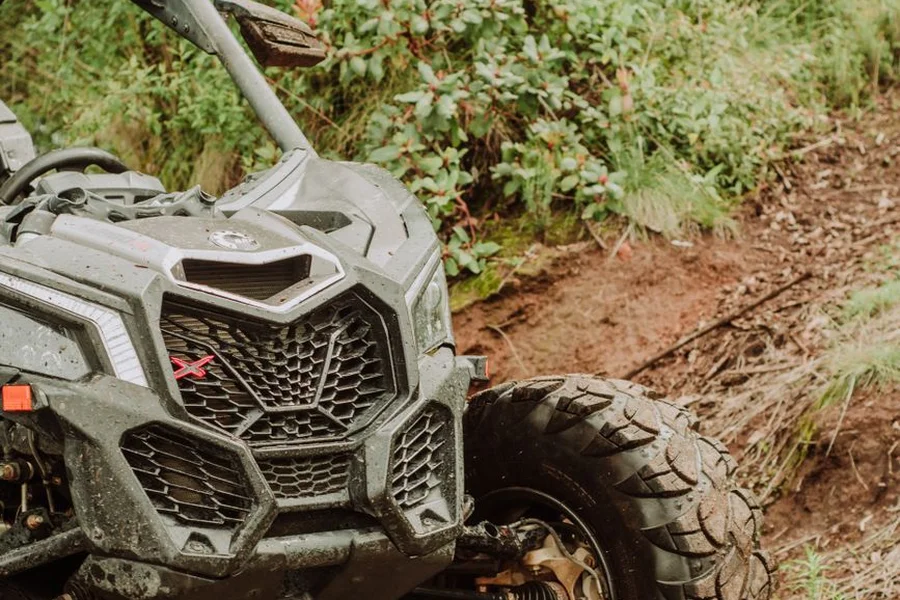
The Kawasaki KFX400 remains a highly sought-after machine in the sport ATV market years after its production run ended. Powered by a dependable liquid-cooled engine and boasting a trail-friendly reverse gear, the kfx400 strikes a great balance between trail responsiveness and mechanical simplicity. For off-road enthusiasts looking for a reliable, aggressive sport quad, this model is a top recommendation.
Table of Contents
What Is the Kawasaki KFX400?
The Kawasaki KFX400 is a high-performance sport ATV built under a strategic partnership between Kawasaki Heavy Industries and Suzuki Motor Corporation. Produced from 2003 to 2006, this machine was designed to compete directly in the competitive 400cc sport quad category. From what we’ve seen on trail networks and dunes, its lightweight chassis and snappy power delivery keep it competitive with modern off-road vehicles.
The ATV features a liquid-cooled engine, double wishbone front suspension, and a manual clutch transmission. It quickly became popular because it offered a lighter, more agile feel than older utility quads while retaining features like electric start and reverse. According to historical release data on the Kawasaki USA official website, the vehicle was built to handle both track jumps and tight wooded trails with ease.
Engine Performance and Specifications
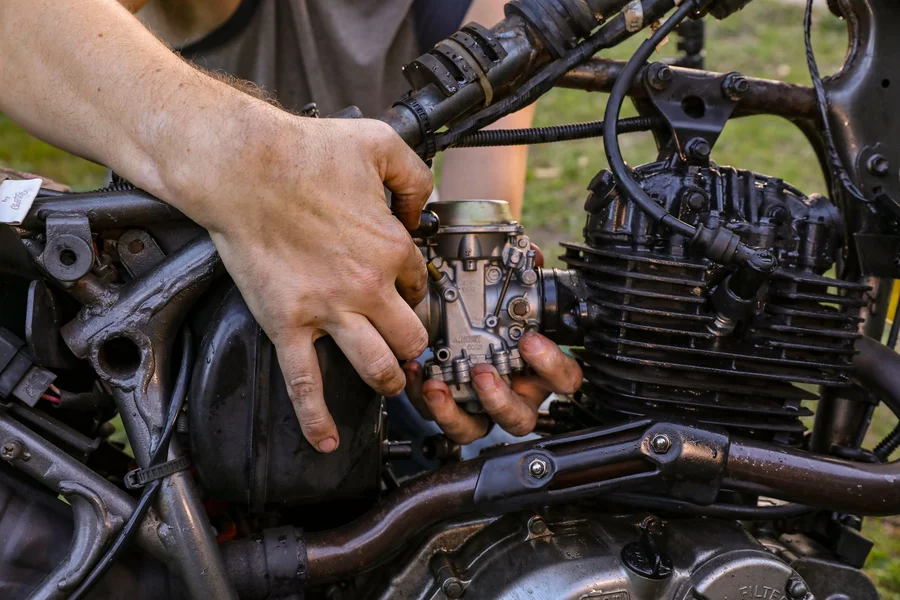
The heart of the KFX400 is its 398cc liquid-cooled engine, which utilizes a dual overhead camshaft (DOHC) design and four valves. This high-revving single-cylinder motor produces roughly 34 horsepower, giving the quad plenty of low-end torque for hill climbs and high-speed runs. Liquid cooling ensures the engine maintains a stable operating temperature, preventing power loss during hot summer trail rides.
One detail most owners overlook is how sensitive the carburetor jetting is to changes in altitude and temperature. Stock settings work well at sea level, but riding in high mountain passes can cause the engine to run rich and lose power. In practice, taking time to adjust your fuel mixture or installing aftermarket jets is crucial to keeping the engine running at peak efficiency.
Transmission and Trail Usability
Power is delivered to the rear wheels through a five-speed manual transmission paired with a heavy-duty wet clutch. The gears are spaced closely to help the rider maintain the engine in its optimal powerband. The standout transmission feature, however, is the mechanical reverse gear, which can be engaged easily using a dial on the front fender.
Having a reverse gear is incredibly helpful when navigating tight wooded trails where backing out of mud or dead ends is necessary. We’ve noticed that having this feature saves riders from having to physically pull the quad around in tight spaces. If you are preparing for long trail rides, investing in quality gear and following tips on road and off-road safety equipment ensures you remain protected in remote riding areas.
The Kawasaki-Suzuki Partnership: KFX400 vs LTZ400
The KFX400 was born during a unique alliance where Kawasaki and Suzuki shared several motorcycle and ATV platforms. The Kawasaki KFX400 is mechanically identical to the Suzuki LTZ400 and the Arctic Cat DVX400, sharing the same frame, engine, and electrical components. The only differences between these models are the color of the plastic bodywork and minor cosmetic designs on the headlights.
This parts sharing is a major benefit for current owners because aftermarket parts are cheap and easy to find. According to reviews on the industry portal ATV Riders, parts compatibility makes maintaining a KFX400 much easier than other discontinued sport quads. If a specific Kawasaki part is out of stock, you can simply purchase the matching Suzuki LTZ400 component, which fits perfectly without modification.
Suspension and Chassis Handling
The chassis uses a high-tensile steel frame paired with dual wishbone front suspension and a rear swingarm monoshock. Later models from 2005 and 2006 came equipped with adjustable piggyback shocks, allowing riders to customize compression and rebound settings. This suspension setup absorbs hard landing impacts and prevents the quad from bottoming out on rough trails.
A common myth is that all sport ATVs are too stiff and uncomfortable for casual trail riding. The reality is that by adjusting the shock preload settings, you can create a soft, comfortable ride that absorbs rocks and tree roots easily. However, one common pitfall we see riders make is ignoring shock maintenance; failing to clean dirt off the shock shafts can wear out the seals, leading to oil leaks and bouncy handling.
Common Maintenance Pitfalls and Frame Issues
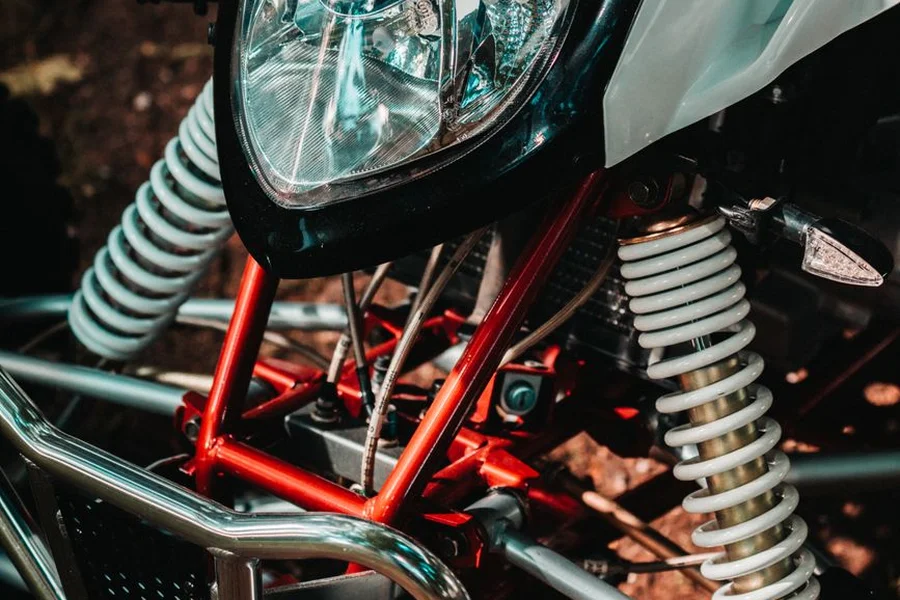
While the KFX400 is generally highly reliable, early 2003 models suffered from a weak spot on the frame near the top shock mounts. Hard jumps could lead to frame cracking in this area, which was resolved in the 2004 and later production runs. Checking this specific frame area for hairline cracks before purchasing a used quad is highly recommended.
Routine oil changes and valve adjustments are also essential to protect the high-revving DOHC engine from premature wear. We prefer checking the timing chain tensioner regularly, as the stock spring can weaken over time, causing chain rattle. Following ATV maintenance and avoiding costly mechanical repairs through regular fluid changes and inspections ensures your machine stays trail-ready for years.
Frequently Asked Questions
What is the top speed of a Kawasaki KFX400?
The Kawasaki KFX400 has a top speed of approximately 65 to 70 miles per hour in stock condition. Installing aftermarket exhausts and re-jetting the carburetor can increase top speed slightly.
Is the Kawasaki KFX400 fuel injected?
No, all KFX400 models produced from 2003 to 2006 utilize a traditional Mikuni 36mm carburetor rather than electronic fuel injection. This makes the fuel system simple to adjust and rebuild at home.
What is the difference between the KFX400 and Suzuki LTZ400?
Mechanically, there is no difference between the two quads. They share the same engine, frame, and suspension; the only differences are the plastic body colors and headlight decals.
Does the KFX400 have a reverse gear?
Yes, the KFX400 features a mechanical reverse gear. It is engaged by turning a knob on the right front fender while the transmission is in first gear or neutral.
Is the Kawasaki KFX400 a good beginner quad?
The KFX400 is an excellent mid-sized sport quad for riders who have some basic off-road experience. Its manual clutch and fast acceleration might be challenging for absolute beginners, but the power is smooth and predictable.
What type of oil does the Kawasaki KFX400 take?
The engine takes high-quality 10W-40 motorcycle oil designed for wet clutches. Using standard car oil can cause the wet clutch plates to slip and wear out prematurely.

Written by Rosella
Rosella is a self-taught digital creator with a passion for breaking down tech, lifestyle, and everyday topics into simple, easy-to-understand content. Based in Youngstown, Ohio, she brings a curious, multi-disciplinary approach to writing, covering everything from the latest tech trends to practical life hacks and personal growth insights.
Her goal is straightforward: take complicated ideas and explain them in a way that actually makes sense, so every reader, whether a total beginner or someone more experienced, walks away having learned something useful. When she’s not writing, you’ll usually find her exploring new tools, sharpening her skills, or spending time with family.
Through this blog, Rosella aims to build a community centered on real, actionable insights rather than fluff, jargon, or filler content.

0